1. Home
  2. Phones
  3. Android
  4. Mobile
  5. News

Google Project Fi now lets your entire family join under one mobile plan

Add as a preferred source on Google

Project Fi is a relatively groundbreaking concept — you pay for the data you think you will need, and then at the end of the month you get refunded for any data you didn’t use. Now, Google is making it easier for families and groups to take advantage of the carrier with the introduction of group plans.

Google has gone out of its way to make added members as easy as possible. Users can be added to your plan at a cost of $15 per user and the price for data remains at $10 per GB. You will still be refunded for any data you do not use and it is extremely easy to add and remove users — which can be done through the Project Fi app.

Recommended Videos

Unfortunately, not everyone can join Project Fi — additional members will still need to adhere to the compatible devices list, which only includes the Google Nexus 6, Nexus 5X, Nexus 6P, Pixel, and Pixel XL smartphones.

There are a few big advantages to Project Fi, beyond the price. Project Fi essentially borrows network coverage from T-Mobile, Sprint, and U.S. Cellular. What that means is that you will use whatever network is strongest at any given moment — and you will get far more coverage than if you were using one of those networks.

On the group plan, you will also be able to set personal notifications for data use, and the manager of the account can monitor the amount of data that each person is using and even set data allowances for each person — which is perfect if you happen to have a Netflix addict on your Project Fi plan.

Google also has you covered if you are looking for a new smartphone. The Nexus 5X comes at $150 off and the 6P at $100 off. The Pixel and Pixel XL understandably keep their prices, but you can finance those through the Play Store.

Christian de Looper
Christian de Looper is a long-time freelance writer who has covered every facet of the consumer tech and electric vehicle…
Google may finally ditch Samsung’s modem in the Pixel 11, and Tensor G6 could be better for it
FCC paperwork for Google’s next foldable points to MediaTek, raising hopes for lower power use and a cleaner break from Tensor’s Exynos roots
AI recreation of Pixel 11's Pixel Glow feature.

Google may be preparing its biggest Tensor hardware split yet. As spotted by Android Authority, FCC testing for an unreleased foldable Google phone includes a reference to MediaTek radio-frequency software, adding weight to reports that the Pixel 11’s Tensor G6 could leave Samsung’s Exynos modem behind.

Every previous Tensor chip has used Samsung modem hardware. Changing suppliers won’t guarantee better battery life or reception, but it gives Google a fresh path after years of leaning on the same underlying technology.

Read more
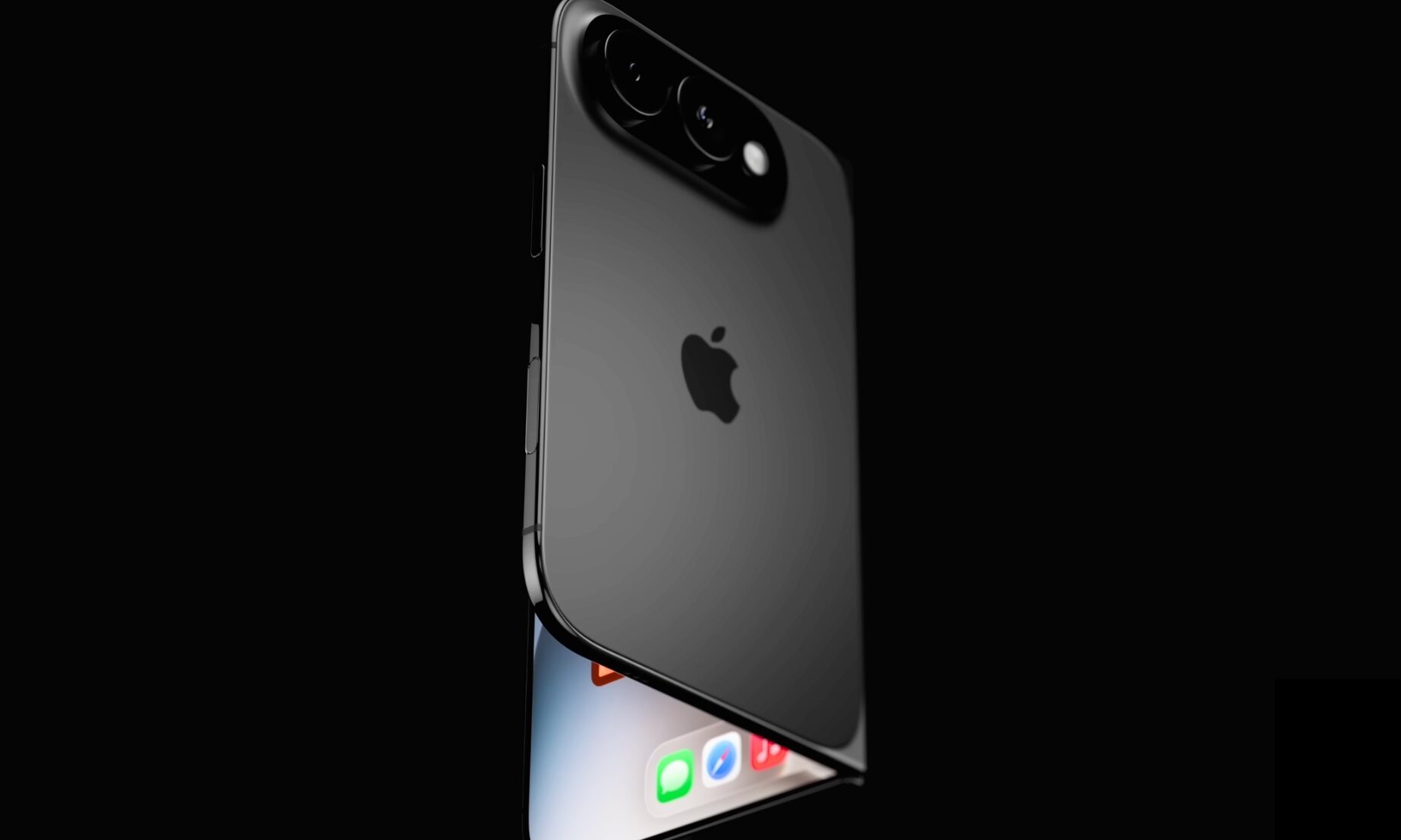
Apple’s iPhone Ultra could one-up the Galaxy Z Fold 7 with a bigger battery
4,883mAh total capacity, two cells, and two screens drawing power. Somewhere between "fine" and "I hope Apple's software does the heavy lifting."
Electronics, Phone, Mobile Phone

Apple's foldable iPhone is getting closer to its September announcement. Despite rumors of a delay, a recent report claimed that Foxconn is hiring temporary workers to ramp up production of the Ultra. Now we have a number for one of its most important specs: the battery.

I'll be honest: when I saw the battery figure, my reaction was somewhere between "that works" and "I was hoping for more."

Read more
The next “flagship killer” is coming from Motorola, but it may not reach the US anytime soon.
The Motorola Edge 70 Max looks great on paper, but only India is getting it on July 15.
Electronics, Mobile Phone, Phone

Motorola is building the most ambitious phone in its Edge 70 lineup, but it might not be available in the United States. 

Specs like a 7,000-nit display and MagSafe-style magnetic wireless charging belong in a conversation that often includes flagships, but it looks like Motorola wants to break that norm. 

Read more