  1. Home
  2. Computing
  3. News

Windows is getting a face-lift in 2020, but you can get a sneak peek right now

Add as a preferred source on Google
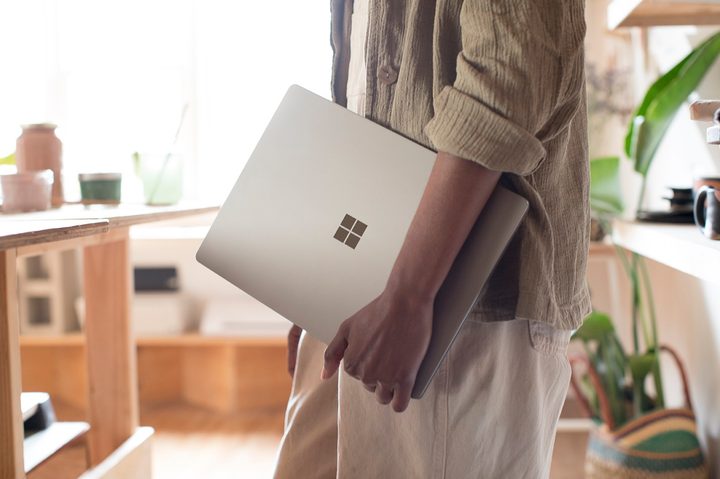
Microsoft Surface Laptop press kit stock photo
Microsoft Press Photo/Microsoft

Microsoft is stretching the lead time for future updates to its flagship Windows operating system by quite some margin, giving Insiders the chance to test out  in early 2019 one of the updates planned for a 2020 release. Microsoft is currently testing its April 2019 update for Windows 10, and hasn’t yet opened up its late-2019 update to testers. Despite that, the 2020 build, known as 20H1, is now available to some Insiders.

Windows Insiders on both the fast and slow rings have typically been given access to Windows updates months ahead of their eventual release to try to weed out bugs and problems with the software. That didn’t work well enough with the October 2018 update, which was plagued with bugs and delays, only eventually seeing a wider release months after its planned launch time. Perhaps because of that, or perhaps because of specific features planned for future updates, Microsoft wants to have a much greater test time for its 2020 releases.

Recommended Videos

Windows 10 20H1 introduces a number of bug fixes to Windows, as well as new anti-tamper protections which prevent bad actors from adjusting Windows’ security settings. As explained by Windows Insider head, Dona Sarkar, these improvements will “require a longer lead time,” which is why Microsoft is giving access to some Insiders now, rather than later this year as would be typical.

To gain access to this particular build, Windows Insiders will need to opt to “Skip Ahead” of existing test builds. Sarkar does warn those who do that it will permanently push their Windows installs beyond existing and upcoming updates in the near future. If you opt to download and run the 20H1 Windows 10 build, you won’t be able to downgrade to the existing stable build of Windows or roll back to the 19H1 build. You’d need to perform a clean Windows install to roll back to those versions if desired.

For other testers and those who would prefer to wait for Windows updates to be more thoroughly tested before using them — considering the problems associated with the last one, that might be a good idea — it is currently due in April. As The Verge highlights, a final build will go out to testers in March before its wider release. The 19H1 build includes a new light theme, a split between Cortana and general Windows search, and greater support for the kaomoji.

Jon Martindale
Jon Martindale covers how to guides, best-of lists, and explainers to help everyone understand the hottest new hardware and…
YouTube’s AI-powered search is rolling out in the US to find videos based on situations you describe
Ask YouTube can find videos based on the situation or idea you describe
youtube ai search feature

YouTube users in the U.S. are getting a new way to search for videos on the web. The company has started rolling out Ask YouTube, its conversational AI search experience, beyond the Premium-only test announced at Google I/O 2026.

Instead of entering a few keywords and scrolling through a standard list of results, users can ask YouTube a complete question. The feature is designed for broader searches where the exact video, channel, or topic may not already be clear.

Read more
Meta’s detection tool fails to identify photos generated by its own Muse Image AI
Meta has created an invisible watermarking tool called Content Seal that is embedded in all images generated by the Muse Image AI.
Meta AI identification tool.

Earlier this week, Meta announced two new AI products, namely, Muse Image and Muse Video. As the name suggests, these are generative AI tools for making photos and video clips using natural language text prompts. Soon after their rollout commenced, these tools sparked controversy because Meta had automatically opted in Instagram users, allowing others to use their publicly posted media and convert them into remixed AI content. But it appears that Meta courted another loss on its side of the court.

What's the problem?

Read more
Your Google AI Studio apps can finally have polished, presentable web links
AI Studio web apps can now use personalized subdomains
google ai studio logos

Google AI Studio has made building a web app surprisingly easy. You can describe what you want, refine the design through prompts, and publish the result without setting up a traditional development environment. An awkward point of friction comes after deployment, when the finished app still has to live behind a long, forgettable Cloud Run link.

Google is now cleaning up that final step. AI Studio lets you assign a deployed web app a personalized address under the “ai.studio” domain, such as “your-app-name.ai.studio.” A recognizable URL should make the project look more presentable in a portfolio, client demo, social post, or internal project page.

Read more