A new Consumer Technology Association (CTA) study found that 31% of American households now own smart speakers like the Amazon Echo and Google Home. If that percentage seems low, consider that only 8% of households owned smart speakers in 2016. The growth in smart speaker ownership has almost doubled in each of the last two years.
The CTA 21st Annual Consumer Technology Ownership and Market Potential Study surveyed 2,608 adults in the U.S. during the second week in March. The survey examined ownership and plans to buy nearly 60 tech products.
While many Americans may not think of smart speakers as artificial intelligence, the CTA report casts the rapid sales growth of Amazon Echo and Google Nest Home devices as an endorsement of A.I.
“Americans are embracing A.I. tech in the home at unprecedented levels,” said Steve Koenig, CTA vice president of research. “The dramatic rise in household ownership of intelligent devices like smart speakers shows American consumers endorse the benefits and convenience of artificial intelligence and voice recognition to help them with everyday tasks.”
The most-owned tech products in consumer households are The Three Screens (TTS) — TVs, smartphones, and laptops. TV ownership leads at 95%, followed by smartphones in 91% of U.S. homes, and laptops in 75% of American households.
Additional U.S. household ownership figures include:
- Wireless earbuds and headphones combined, 48%
- Fitness trackers, 29%
- Smartwatches, 23%, and
- Smart home devices (other than intelligent speakers) 17%
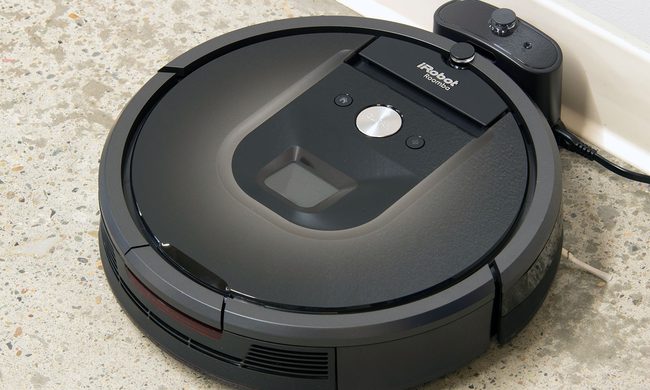
According to the CTA study, the most common smart appliances in homes in 2019 are smart lightbulbs, thermostats, home security cameras, and robotic vacuums. Looking ahead to American’s plans to buy electronic devices, smart home devices will see the highest rate of growth, particularly by first-time buyers who intend to purchase smart door locks, smart doorbells, and smart home hubs.
New buyers won’t be the only active market participants, as the pace of current tech owners who intend to upgrade is also rising. The CTA sees a shift towards further A.I. adoption driving household demand.
“Innovation is spurring demand for emerging technologies and driving consumers to upgrade existing devices,” said Koenig. “The paradigm in consumer technology is rapidly evolving to a new IoT – The Intelligence of Things. A.I., voice recognition, sensors, wireless connectivity and more are bringing greater capabilities and convenience to consumers.”