1. Home
  2. Cars
  3. News

DHL Streetscooter electric vans will make package delivery greener

Add as a preferred source on Google
Image used with permission by copyright holder

When Deutsche Post DHL Group decided to add electric delivery vans to its fleet, nothing suitable was available. So in 2014, DHL bought a company called Streetscooter, which makes electric vans. Now DHL is bringing those vans to the United States. Why should cars be the only vehicles getting electric powertrains?

Electric vans will be used in a U.S. pilot program for DHL’s package delivery service beginning in 2020, according to a company press release. DHL also intends to set up a production line in the U.S. The pilot program will use an updated model called the Work L, which greater cargo capacity than previous versions, and a faster charging system. It even has Apple CarPlay and Android Auto.

Recommended Videos

The Work L is a smaller van comparable to the Ford Transit Connect or Ram ProMaster City. DHL also previously partnered with Ford on an electric version of the automaker’s larger Transit van. Called the Work XL, it used a modular battery pack that allowed for a range of between 49 miles and 124 miles, according to the companies. However, no plans to bring the Work XL to the U.S. have been discussed.

DHL claims to have 12,000 electric delivery vehicles in daily service, with over 100 million kilometers (about 62 million miles) driven to date. In addition to building vans for DHL’s own fleet, Streetscooter sells them to other businesses. Streetscooter claims to have 13,500 charging stations at 700 depots owned by various firms, from large companies to small businesses. Range anxiety is less of an issue with commercial vans than it is with passenger cars because the vehicles travel on predictable routes that never take them far from a central depot.

Streetscooter isn’t the only company selling electric vans. Electric versions of the Nissan NV200 and Renault Kangoo are available in Europe alongside StreetScooter’s vans, while Mercedes-Benz has announced plans for an electric version of its Sprinter. In the U.S., Workhorse Group sells electric delivery vans that can be paired with drones, and startup Chanje has promised to join the fray with support from a Chinese manufacturer. Amazon recently made headlines when it ordered 100,000 electric vans from another startup, Rivian, but the company has yet to deliver a single vehicle to a customer.

Stephen Edelstein
Stephen is a freelance automotive journalist covering all things cars. He likes anything with four wheels, from classic cars…
BYD’s new Racco is Japan’s first electric kei car with over 300 km range
The Racco also undercuts Nissan's Sakura on price before taxes and incentives, which packing in features rarely seen in the kei car segment.
BYD Racco

BYD has entered the Japanese kei car market with the Racco, an electric car built specifically for the country's compact car segment. Its top trim delivers 320 km of range, making it the first compact electric car in the market to pass 300 km, according to ITHome.

Kei cars are a Japanese vehicle class with strict size and power limits, and the segment has long been dominated by domestic automakers such as Honda, Nissan, Suzuki, and Daihatsu. The Racco is BYD's first attempt to compete in that space.

Read more
BMW could finally be building the electric convertible fans have always wanted
Good things come to those who wait, and apparently that means until 2028.
BMW convertible

There have been whispers about a two-door BMW i4 for years, and according to a new report from BMWBlog, at least one version is actually in the works. The outlet's sources close to BMW claim the automaker is readying an i4 Convertible under the internal codename NA3.

Why is BMW waiting until 2028 to launch it?

Read more
Waymo’s driverless cars keep getting parking tickets in Austin, and humans aren’t the only ones complaining
Waymo vehicles have collected $9,325 in Austin fines as repeated parking mistakes turn into a fleet-wide operational problem
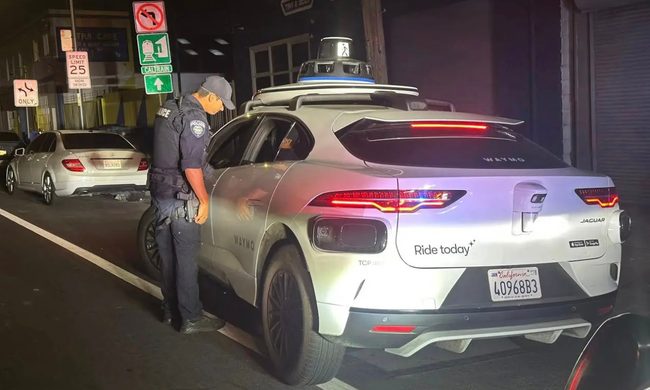
A police officer investigating an empty Waymo car.

Waymo’s 83 parking citations in Austin don’t amount to a financial crisis. They do reveal what happens when the same driving decisions are repeated across an autonomous fleet.

City records obtained by The Wall Street Journal show that Waymo vehicles have accumulated $9,325 in fines since arriving in 2024. The company has paid most of them, but the more revealing detail is how often its cars have made the same mistake.

Read more