If I had told you a few years ago that Microsoft would enter the 2020s as the most exciting hardware company in the technology world, you’d have handed me a primer on Zune and all the other flops the Redmond, Washington-based giant has produced. Frankly, I wouldn’t have believed it either. But it’s true.
2020 will be the year of Microsoft hardware. While companies like Google and Apple retreat to the drawing board to fix their ailing lineups, Microsoft will kick off the next decade with its most ambitious hardware bets in ages. This year, Google quit the tablet business and released a run-of-the-mill notebook, the Pixelbook Go. Apple came to terms with the fact that it can’t fix the Butterfly mechanism and instead, fitted pretty much the same, trusty keyboard from 2015 on the new 16-inch MacBook Pro. Microsoft, however, plans to bring a string of experimental projects to the market hoping to shape the next generations of phones, laptops, and more.
In 2019, Microsoft was busy setting the stage for a few of those forthcoming products and offered us a glimpse into what it has in store for 2020. So far, Microsoft has confirmed it is planning at least five major hardware announcements next year. It’s likely there will be more, as a handful of existing products are overdue for an upgrade and struggling to keep up with competition from manufacturers such as Apple.
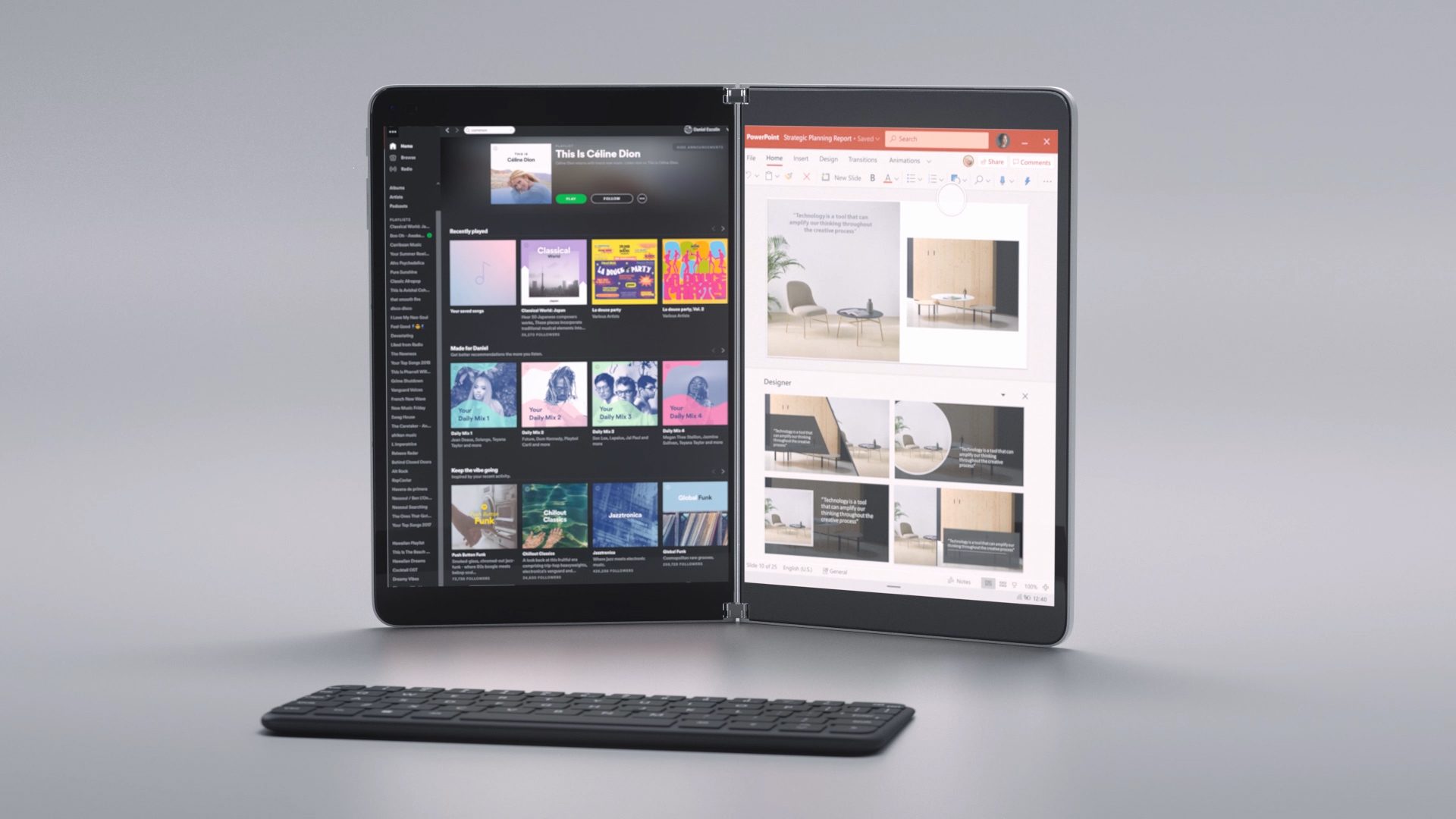
Microsoft’s pair of dual-screen devices, the Surface Neo and Surface Duo, are arguably the pièces de résistance of its new roster. A book-like productivity gadget and a Surface-branded phone had been making mysterious appearances in the rumor mills for years — and at long last, both of them officially broke cover in 2019.
The Surface Neo is a Windows PC that, instead of a traditional display and keyboard combo, comes equipped with two 9-inch screens clipped together through a 360-degree hinge. You can fold it up essentially as a book to save space, push the panels back to use it as a tablet, bend it halfway to turn it into a little laptop with one of the screens acting as a full-size touch keyboard, or expand the screens and connect external accessories for a 13-inch workspace. You can even stick a keyboard on one half of a screen and operate the rest as a trackpad.
The Neo, in addition, runs on special software called Windows 10X that has a number of features built specifically for taking advantage of a dual-screen computer. While there’s no word from Microsoft on this yet, Windows 10X could eventually become available to third-party OEMs — paving the way for an entirely new category of Windows PCs.
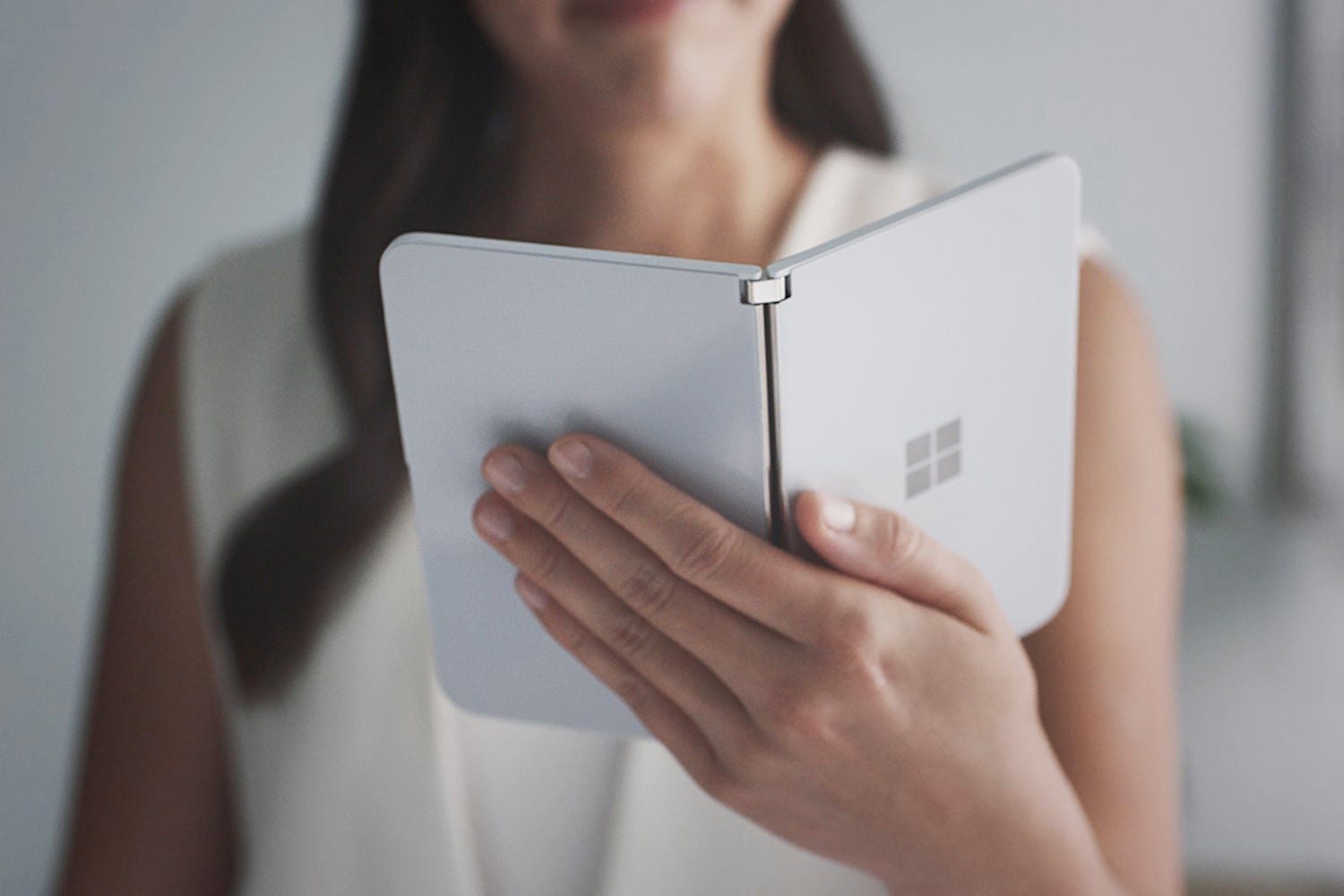
The Surface Duo, on the other hand, is an Android phone and functions similarly to a handful of dual-screen phones we’ve seen in the past from companies like LG. The two 5.6-inch screens can work independently for easily multitasking between two apps, morph into one for times when you need a large 8.3-inch tablet — all in a form factor that you can still fit in any pocket.
The bold, new designs make the Surface Duo and Surface Neo the most versatile and exciting products in their segments and unlock multitasking workflows simply impossible on standard machines. Their commercial success, however, rests on third-party developer support and without that, they may end up as clumsy and unnecessarily complex ways to perform everyday tasks. Microsoft says the Surface Neo and Surface Duo will hit the markets sometime in “Holiday 2020.”
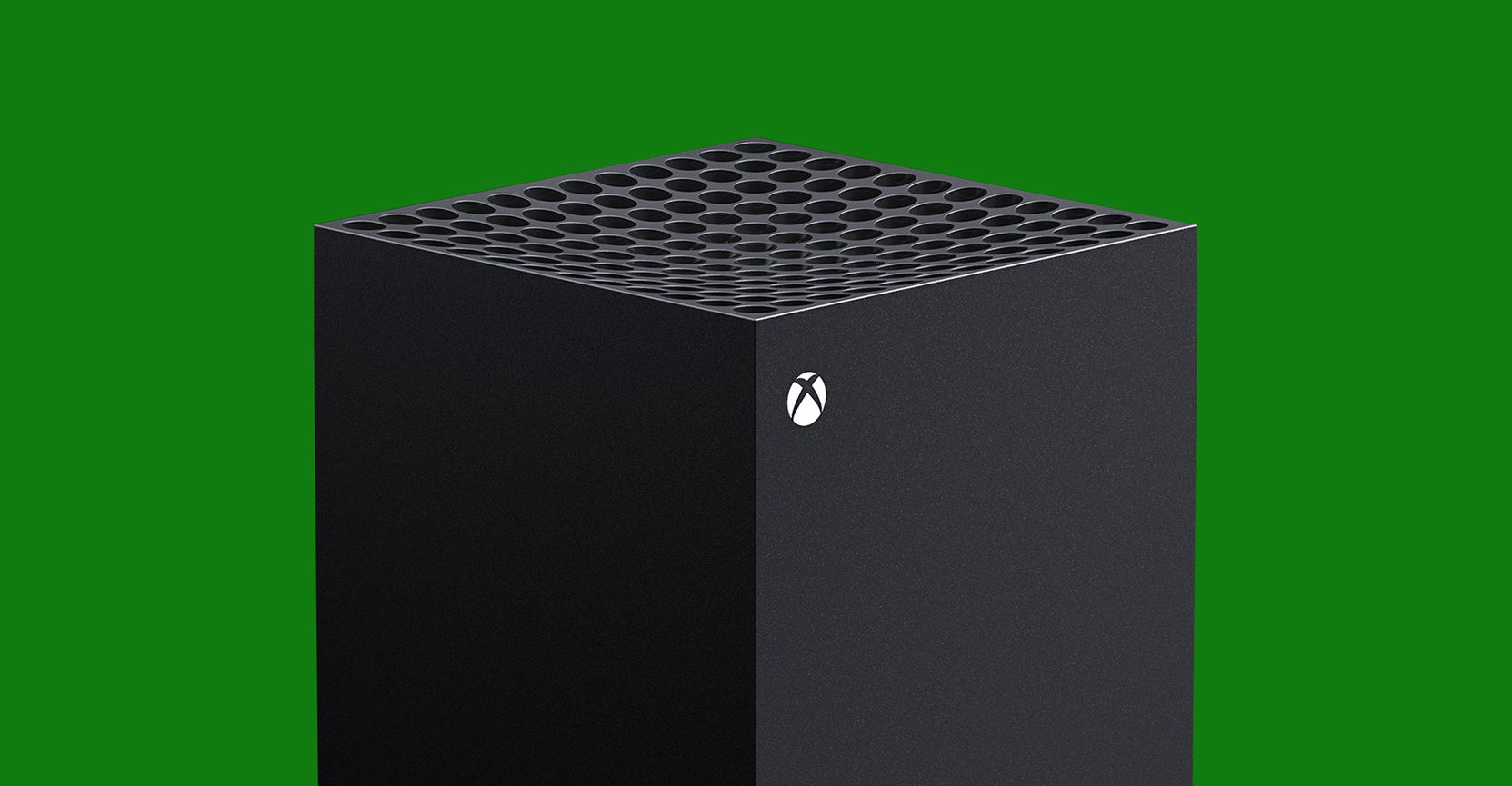
Last week, Microsoft also teased the successor to Xbox One and took the wraps off its towering gaming console upgrade for the next decade, the Xbox Series X. In times when the focus is increasingly shifting towards cloud gaming and as PC continues to push the boundaries of performance, Microsoft pulled out all the stops to justify the existence of Xbox.
Microsoft is no longer concerned with cramming more in less as it did in the case of the Xbox One X. On the contrary, Microsoft wants to offer an unparalleled gaming experience for your living room, and if that means building an Xbox that pretty much resembles a PC featuring a monolithic look, so be it.
Aside from a fundamental pivot in direction for the Xbox, the new Xbox Series X (whose first iteration will be just called the “Xbox”) will be, of course, a powerhouse for taking on Sony’s PlayStation 5 head-to-head. While the company hasn’t shared a ton of specifics yet, the Xbox is said to come with support for 8K gaming, variable refresh rates, ray tracing, and more.
Microsoft is also stepping into the burgeoning true-wireless headset space in 2020. The Surface Buds are unlike any of their competition.
In an attempt to stand out, Microsoft has packaged inside more tech than true-wireless headsets like the AirPods normally house. In addition to the usual trappings, the Surface Buds have two microphones in each bud that, Microsoft says, enable superior noise reduction when you’re speaking on a call or presenting, in which case they can transcribe the audio and show real-time captions on a screen. For business customers, the Surface Buds can also integrate with Microsoft Office and support actions such as the ability to control a presentation.
Microsoft has also opted for a rather unconventional design, because of which the Surface Buds look more like oversized earrings than anything else. That has a number of benefits, at least in theory. Microsoft claims the Surface Buds are more comfortable to wear for prolonged periods, they last much longer than, say, the AirPods, there’s more room for accurately executing those swipe gestures, and they have better noise isolation. Surface Buds’ most significant challenge, whenever they launch, will be to justify their hefty $249 price tag — which is about $100 more than the Apple AirPods and Google’s upcoming Pixel Buds.
Microsoft has a bunch more hardware products lined up for 2020. A giant display for sumptuous conference rooms called Surface Hub 2 will get a hardware bump to enable the oh-so-charming rotating feature that Microsoft keeps teasing in promotional clips. Plus products including the Surface Go and Surface Book are due for an upgrade, and it’s likely Microsoft will be further toying with ARM chips despite the lackluster reviews of the Surface Pro X.
Nearly a decade ago in 2012, Microsoft set out to give hardware another shot with the Surface wing. Today, it develops some of the best and most ambitious computing devices. As companies like Google, Apple, and Facebook reel from recent controversies, Microsoft has owned the last few years by staying largely off the public and government scrutiny, while still retaining the pole position on Wall Street and a market cap of over $1 trillion dollars. Its next wave of hardware may not top the sales charts but they will be the only ones pushing the envelope of what our computers can be, and I’m looking forward to what the company has planned for the 2020s.