1. Home
  2. Cars
  3. Emerging Tech
  4. News

Buick, Audi, and Nissan score top marks in latest IIHS safety ratings

Add as a preferred source on Google
2025 Audi Q6 e-tron front quarter view.
Stephen Edelstein/Digital Trends

The Insurance Institute for Highway Safety (IIHS) has added four more vehicles to its coveted 2025 Top Safety Pick and Top Safety Pick+ lists. If you appreciate knowing your vehicle is built with safety in mind, this update is worth noting.

Among the standout performers: the Audi Q6 e-tron, Buick Enclave, and Nissan Armada—each earning the institute’s highest honor, the Top Safety Pick+ award. The GMC Acadia also made the grade, picking up a Top Safety Pick award. For Buick and GMC, these honors mark a significant return to form, as neither brand had received IIHS awards in several years. In fact, it’s the first time since 2013 that the Enclave has been recognized.

Recommended Videos

So, how does IIHS hand out these awards? Picture a battery of tests that simulate real-world crashes—everything from small overlap front impacts to updated side crashes. To make the list, vehicles must ace (i.e., earn a “good” rating in) key crashworthiness tests, show competence in pedestrian crash prevention, and offer headlights that don’t blind oncoming drivers. For the higher-tier Top Safety Pick+, there’s an extra hurdle: a “good” rating in the updated moderate front overlap test, which now factors in rear-seat passenger protection.

Improvements to the Enclave and Acadia’s headlights, introduced after January 2025, helped push them over the finish line. Unfortunately, not all models in this testing round were so lucky. The Cadillac Lyriq, Audi Q6 Sportback e-tron, Kia K4, and several Nissan models—including the Kicks, Rogue, and Sentra—fell short. Common issues? Poor headlight performance or incomplete testing.

The IIHS notes that these evaluations are ongoing. Not every vehicle released for 2025 has been fully assessed, and late-year updates can still improve a model’s score. For the full list of safety awards, you can check out the IIHS website.

Nick Godt
Former Freelance reporter
Nick Godt has covered global business news on three continents for over 25 years.
BYD’s new Racco is Japan’s first electric kei car with over 300 km range
The Racco also undercuts Nissan's Sakura on price before taxes and incentives, which packing in features rarely seen in the kei car segment.
BYD Racco

BYD has entered the Japanese kei car market with the Racco, an electric car built specifically for the country's compact car segment. Its top trim delivers 320 km of range, making it the first compact electric car in the market to pass 300 km, according to ITHome.

Kei cars are a Japanese vehicle class with strict size and power limits, and the segment has long been dominated by domestic automakers such as Honda, Nissan, Suzuki, and Daihatsu. The Racco is BYD's first attempt to compete in that space.

Read more
BMW could finally be building the electric convertible fans have always wanted
Good things come to those who wait, and apparently that means until 2028.
BMW convertible

There have been whispers about a two-door BMW i4 for years, and according to a new report from BMWBlog, at least one version is actually in the works. The outlet's sources close to BMW claim the automaker is readying an i4 Convertible under the internal codename NA3.

Why is BMW waiting until 2028 to launch it?

Read more
Waymo’s driverless cars keep getting parking tickets in Austin, and humans aren’t the only ones complaining
Waymo vehicles have collected $9,325 in Austin fines as repeated parking mistakes turn into a fleet-wide operational problem
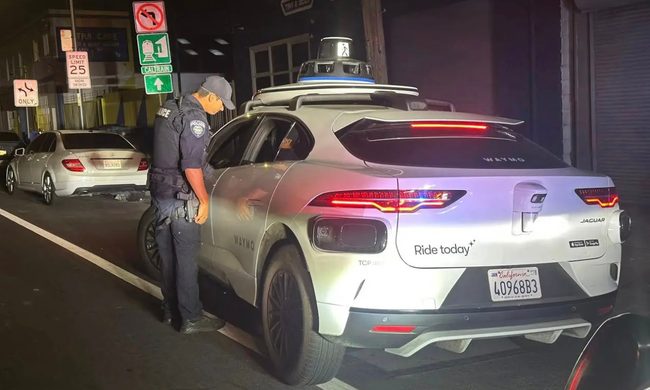
A police officer investigating an empty Waymo car.

Waymo’s 83 parking citations in Austin don’t amount to a financial crisis. They do reveal what happens when the same driving decisions are repeated across an autonomous fleet.

City records obtained by The Wall Street Journal show that Waymo vehicles have accumulated $9,325 in fines since arriving in 2024. The company has paid most of them, but the more revealing detail is how often its cars have made the same mistake.

Read more