Ever since its initial reveal, Marathon has had an air of skepticism surrounding it by the gaming community at large. At first, I mostly attributed this to Bungie’s uneven approach to handling its premier live service franchise, Destiny. Between decisions like removing past expansions, vaulting weapons, and more underwhelming updates than positive ones, I could completely understand the hesitancy around the studio attempting to launch and maintain a second live service game.
As we’ve inched closer and closer to its release date, the general outlook seems to have only gotten more dismal. Yes, there have been some very concerning controversies that shouldn’t be swept under the rug, but Marathon is suffering from a more systemic problem with live service games as a whole that it will need to overcome to succeed.
The trust is broken
Live service games are labelled as such because they’re meant to be living, evolving experiences that players can keep coming back to for months and years. MMORPGs were the progenitors of this model, but now we’ve seen it applied to all sorts of genres. Despite its ups and downs, Destiny is still the poster child for what we now call live service games and the model so many have tried to imitate.
As with anything successful in the gaming industry, it wasn’t long before every big player wanted a piece of that pie. The allure of a perpetual money-maker was too great to resist, despite the reality being much more complicated. Sony was arguably the one to invest the most heavily in the model, at one point boasting over 12 live service games in the works. Between released and cancelled projects, that number has shrunk to possibly two, those being Marathon and Fairgames. While we can’t discuss the broken trust between gamers and the current and upcoming slate of live service games without mentioning Concord, the root of the problem goes back much further than that.
The first game I recall raising major red flags in the gaming sphere was Anthem. Even before all the behind-the-scenes problems in development were brought to light about the game, fans were leery about a studio known for RPGs seemingly trying to hop onto the latest trend. Anthem launched to a less-than-stellar response and quickly went on life support. It failed to satisfy BioWare’s core RPG fans or any potential Destiny converts due to a lack of both a satisfying story or a compelling endgame grind. Before launch, EA shared a roadmap calendar detailing three acts of content, and when nothing beyond Act 1 was released for over a year, BioWare promised a major overhaul of the game, unofficially called Anthem 2.0.
All of these plans were cancelled.
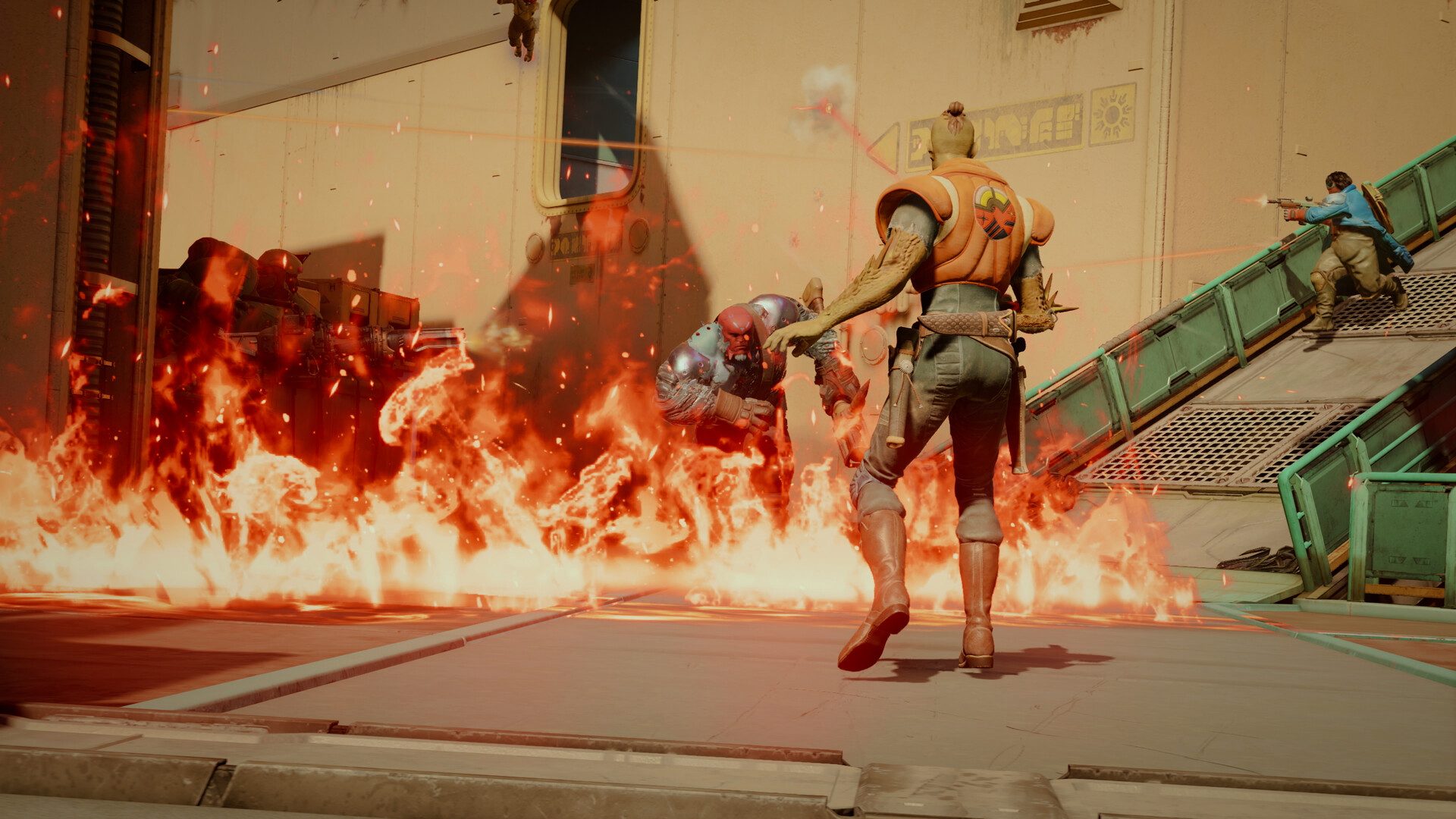
Since then, we’ve seen more major games make bold claims about months and years of future content, only to pull the rug out from players after a middling — or downright abysmal — launch. Examples include Redfall, Suicide Squad: Kill the Justice League, and, of course, Concord. That last one is likely the one that broke the camel’s back for most gamers due to how unprecedented it was. This was a PlayStation first-party release with prime showcase placement, an ambitious roadmap of content, an experimental storytelling method, and even a tie-in episode in Secret Level before the game had even come out.
That game failing would be bad, but it being scrubbed from existence is catastrophic for gamers’ trust in PlayStation and live service as a whole. Not only do we have to be concerned about a game simply breaking all promises of support, but also the entire experience being ripped from us. While I don’t think the sins of one game should be borne by another, I can’t blame anyone who has adopted a more wait-and-see approach to new live service games. If we can’t count on a name as big as PlayStation to make good on its promises, why should we think differently for any other studio?
Trust isn’t given anymore, it needs to be earned.
The impressions I have seen from both major pundits and average players in forums for Marathon feel a lot like what the sentiment was for Concord before launch. The general feelings appear to float around a “it’s pretty fun to play, but there’s not enough there right now” type of vibe. Justified or not, that’s a death sentence for a game that relies on a large population of people being willing to support the game at its weakest so that it can even attempt to reach its full potential.
Gamers have long memories — at least when it comes to being burned. A roadmap and a “trust us” from the development team just doesn’t cut it anymore. Marathon could very well have the potential to be amazing, but it has to start out great to even have a chance to get there. Not enough people will settle for even good, and with so many people perfectly content sitting on the sidelines to see if it fails before it even gets off the ground, it will result in a self-fulfilling prophecy.
Bungie shouldn’t be let off the hook for blatant plagiarism or the apparent crashing moral at the studio. Rumors swirling about how the unrealistic amount of money it needs to make to be considered a success don’t help either, but Marathon‘s fate wouldn’t look any more certain even if that had never occurred. Until enough live service games earn our trust back, each game is fighting an uphill battle that gets steeper with every failed attempt.