1. Home
  2. Computing
  3. Legacy Archives

Windows 8.1 machines running Android apps to descend upon CES 2014?

Add as a preferred source on Google

It’s no secret that consumers have been slow to warm up to Windows 8 or Windows 8.1, the latter of which was released this past October. Could the sagging adoption numbers and legions of people who are clinging to Windows XP and Windows 7 be pacified by a machine that runs Windows 8.1 but is capable of supporting Android apps? It sounds like we’ll soon find out.

You might hear the term “PC Plus” quite a bit during CES 2014, which will begin on January 7. PC Plus refers to the concept of a Windows 8.1 machine that also runs Android apps. We’re talking about laptops here, not tablets. Aside from that (big) detail, this is not exactly a new idea.

Recommended Videos

Bluestacks, an Android emulator for Windows and Mac OS X, is able to perform the task of running Android apps on traditional desktop operating systems. While Blackstacks simply ran as a separate program within Windows and OS X, the relationship between Windows 8.1 and Android apps could work differently with PC Plus, according to Patrick Moorhead, an analyst at Moor Insights & Strategy.

“There are three [possible] implementations, including dual-boot, which would be a fast-switch mode where you press a button and within seconds you’re in Android,” Moore told Computer World. Another approach includes the use of a virtual machine, though software emulation is a possibility as well.

If the PC Plus Windows 8.1/Android concept takes off, it’ll be interesting to see what this does for Windows 8.1 adoption numbers down the line.

What impact do you think integrating Android apps with Windows 8.1 will have? Sound off in the comments below.

Konrad Krawczyk
Former Computing Editor
Konrad covers desktops, laptops, tablets, sports tech and subjects in between for Digital Trends. Prior to joining DT, he…
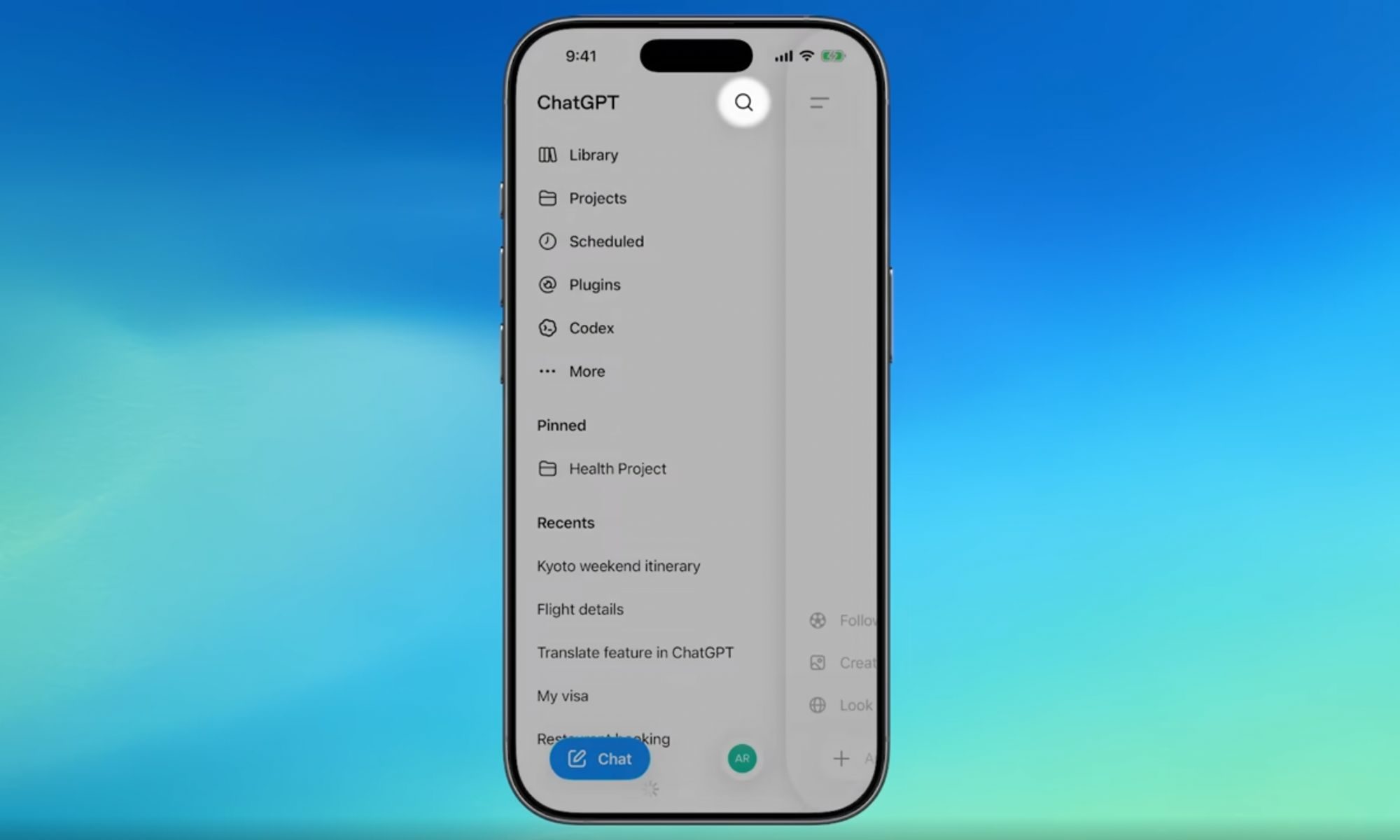
ChatGPT’s new search tool saves you from digging through old chats, files, and images
You can also filter ChatGPT search results by content type.
chatgpt-new-search

If you have ever lost a great ChatGPT answer somewhere in your endless chat history, that headache is finally over. OpenAI has rolled out a major search upgrade that lets you find old chats, projects, documents, and images all from one place.

Before this update, the sidebar search only pulled up past conversations, leaving uploaded files, projects, and generated images completely out of reach. The new search option is now available across web, iOS, and Android, on every ChatGPT plan, including free accounts.

Read more
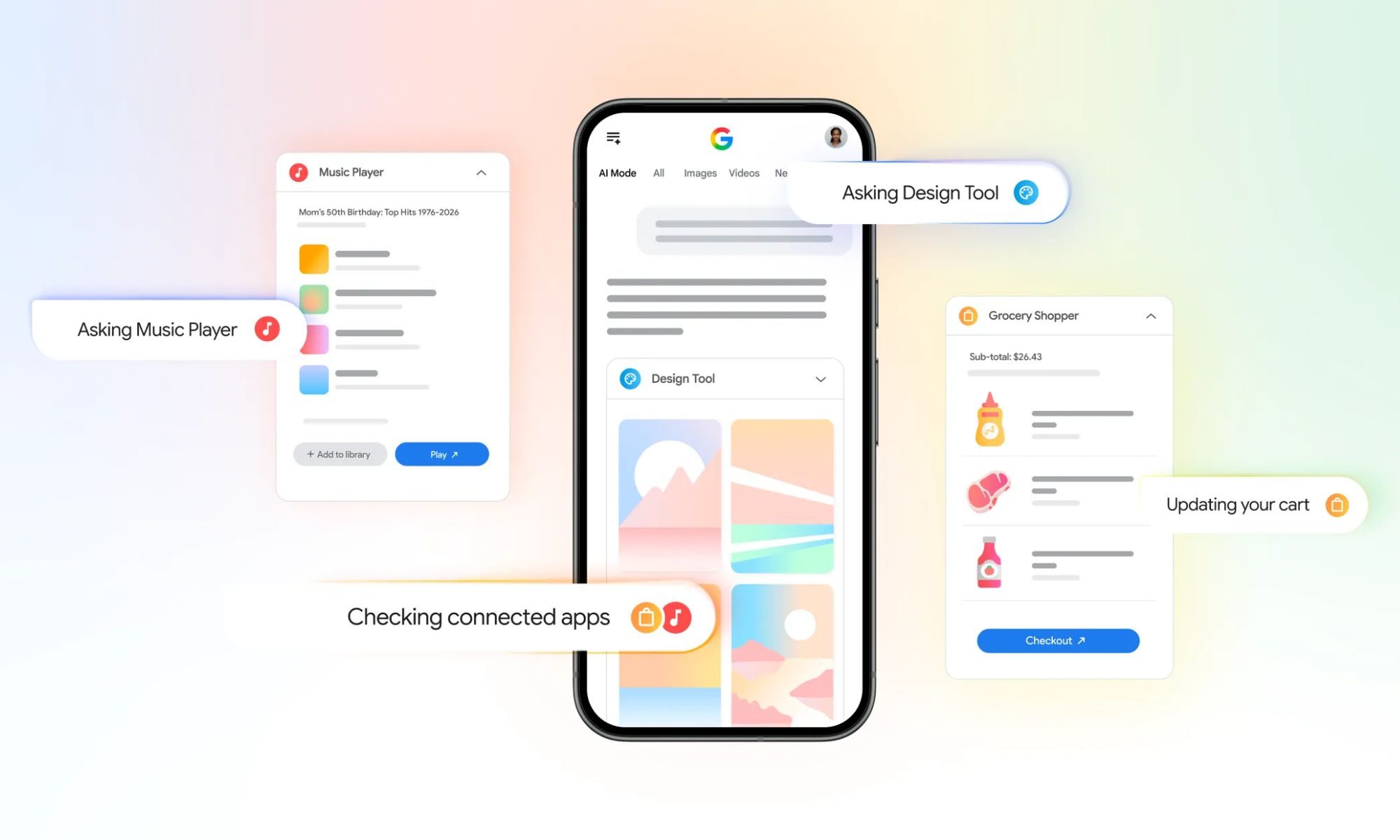
You can now link your favorite apps to AI Mode in Google Search to get things done
AI Mode now works with Instacart, Canva, and YouTube Music inside Search.
google-search-ai-mode-connect-apps

Google is making AI Mode in Search more useful by letting you connect third-party apps. Starting this week in the US, you can securely connect some of your go-to apps directly to AI Mode, letting Search actually complete tasks for you instead of just answering questions.

This update builds on a similar trick Google already pulled off inside the Gemini app, and now it is landing in Search itself. The initial rollout includes three launch partners, Instacart, Canva, and YouTube Music, with Google saying more app integrations are on the way.

Read more
You can now edit videos in Google Vids by simply describing the changes
Gemini Omni powers Google Vids’ new editing tools, and personal avatars are joining too
Google Vids gets Gemini Omni

Google is bringing Gemini Omni and personal avatars to Google Vids, expanding the app’s AI-powered video creation tools for paid users. Gemini Omni can now generate and edit clips through natural language, while personal avatars let users appear in videos without recording themselves on camera.

Vids already offered Veo-powered video generation, AI presenters, screen recording, and tools for turning Slides presentations into narrated videos. Omni expands that setup into a more complete editing workflow, where users can keep refining a clip through conversation instead of rebuilding it after every change.

Read more