1. Home
  2. Smart Home
  3. Legacy Archives

Take Your Phone Inside with Sprint’s Airave

Add as a preferred source on Google

If you find that poor signal quality means you have to go outside to use your Sprint mobile phone, the company might have a solution for you—at least if you live in Denver or Indianapolis. The new Sprint Airave, built by Samsung, is basically a femtocell base station which extends the range of Sprint’s wireless network into a small area (say, a building) by tapping into a broadband Internet connection as a way to enhance in-building wireless phone service. When users go out of range of the Airave, calls switch back to Sprint’s wireless network. The Airave improved cellular reception over an area of about 5,000 square feet, and is capable of handling three wireless calls at once.

"With the Airave, Sprint is delivering an enhanced in-home coverage solution that’s simple to access, low in cost and compatible with any Sprint phone," said Sprint director of product management Ajit Bhatia, in a statement. "In addition, with unlimited in-home wireless calling, the Airave makes it even more convenient for customers to rely on their Sprint phones at home."

Recommended Videos

Sprint’s Airave is the second in-home service from a mobile carrier to emerge this year: the first was T-Mobile’s HotSpot@Home. T-Mobile’s offering requires specially-equipped phones, where Airave worked with any Sprint mobile phone (although Nextel handsets are not supported).

Airave is available today in Denver and Indianapolis for $49.99 (although rebates are initially available) with a monthly service fee of $15 for individuals and $30 for families. Sprint plans to roll out the service to other parts of the United States in 2008. The company is also eyeing a version of the Airave for small businesses that could handle a larger number of simultaneous calls.

Geoff Duncan
Former Contributor
Geoff Duncan writes, programs, edits, plays music, and delights in making software misbehave. He's probably the only member…
Remember Samsung’s Ballie home robot? It may finally be inching closer to reality
Leaked app wireframes give the strongest hint yet that Samsung's Ballie home robot, first shown at CES 2020, might still be headed toward an actual release.
Samsung Ballie robot in a room next to a dog feeder.

Samsung's rolling home robot has been the industry's longest-running "will it ever actually ship" joke, and I'll admit I'd mostly given up on it. Now, there's finally a glimmer of hope.

Samsung first unveiled Ballie as a concept at CES 2020. Then, it showed it as a significantly upgraded version four years later. However, the company never confirmed a release date or committed to releasing it at all. 

Read more
The US foreign-made robot crackdown is coming for future Roombas too
Future Roombas face new US sales hurdles, but existing models are unaffected
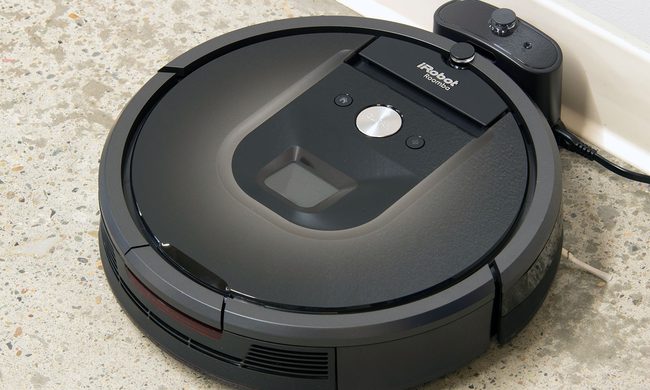
Roomba 980

The FCC has already made it much harder for foreign drone makers such as DJI to bring new products into the US. Now, the same crackdown is reaching a machine far more likely to be moving around your living room.

The US government recently added foreign-made advanced robotic devices to the FCC’s Covered List. The announcement appeared focused on humanoids, robot dogs, and industrial machines, but an FCC spokesperson has confirmed to The Verge that robot vacuum cleaners are covered too.

Read more
The GOKO M6 Robotic Lawn Mower Brings Industrial Robotics to Modern Lawn Care
7 reasons this AI-driven powerhouse makes hands-free yard work smarter than ever
Grass, Lawn, Plant

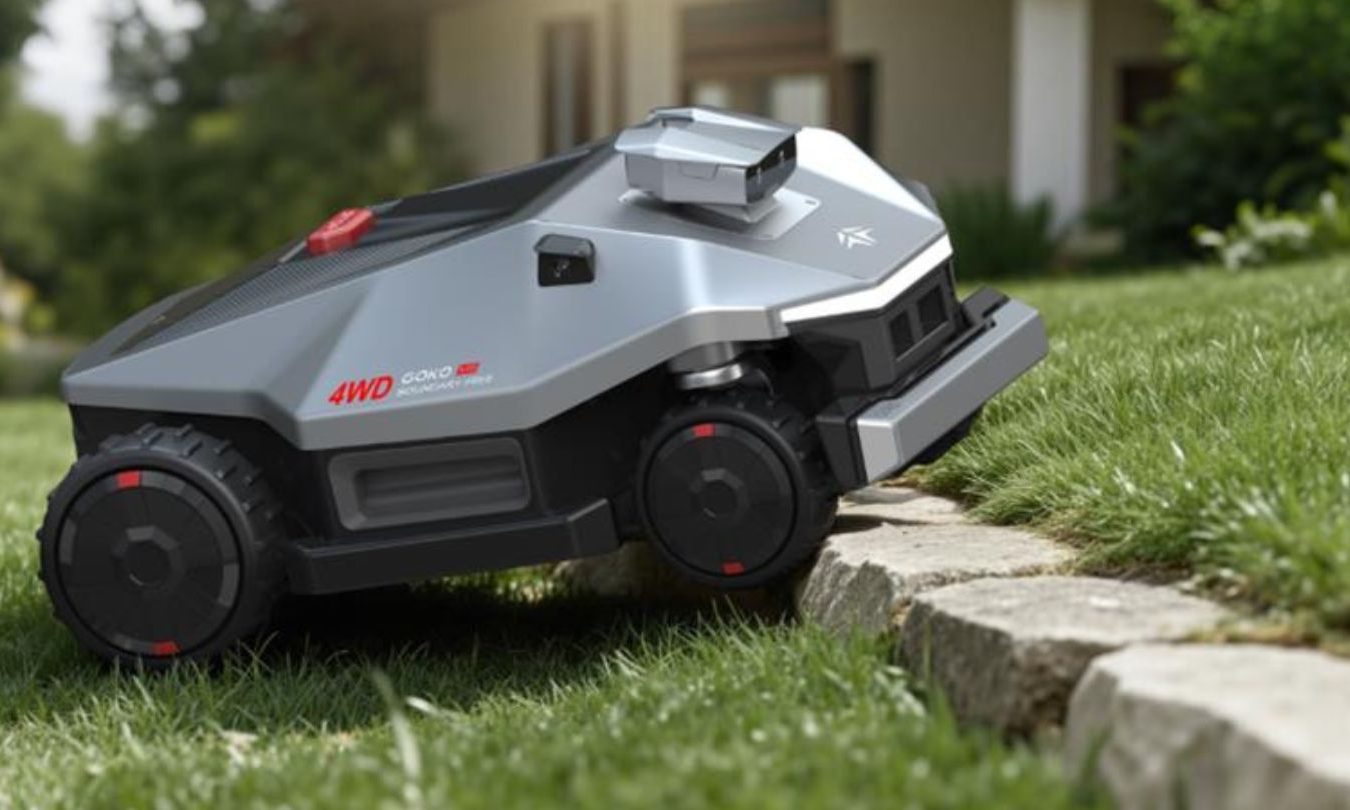
Robotic lawn mowers can save homeowners hours of manual yard work, but not every model is designed for challenging properties. While many perform well on flat lawns, larger yards with uneven terrain, steep slopes, and multiple mowing zones require a mower built for more demanding conditions.

Developed by GOKO, the consumer robotics brand of Robot++, the GOKO M6 is an industrial-grade 4WD AI-powered robotic lawn mower that brings more than a decade of industrial robotics expertise to residential lawn care. It combines AI-powered four-wheel drive, advanced navigation technologies, and AI QuadVision obstacle detection to tackle complex landscapes with less manual intervention.

Read more