1. Home
  2. Computing
  3. Legacy Archives

Vista Capable Suit Gets Class Action Status

Add as a preferred source on Google

Federal judge Marsha Penchman has granted class action status to a lawsuit claiming that Microsoft artificially inflated demand for PCs at the end of of 2006 by labeling them "Windows Vista Capable" when they were only able to run Vista Home Basic and few of the advanced features Microsoft widely promoted as part of Windows Vista. Penchman’s ruling found several common issues unify cases, although she narrowed the terms under which plaintiffs can proceed with their suits.

"These common issues [..] are whether Vista Home Basic, in truth, can fairly be called ‘Vista’ and whether Microsoft’s ‘Windows Vista Capable’ marketing campaign inflated demand market-wide for ‘Windows Vista Capable’ PCs," Penchman wrote in her ruling.

Recommended Videos

The lawsuit was filed in April 2007, allegind Microsoft’s "Vista Capable" sticker program misled consumers into buying new PCs during the end of the 2006, during which Vista had been announced and was being widely promoted, but was not yet available. (Microsoft offered Vista to consumers in January, 2007.) However, many of the PCs sporting "Vista Capable" stickers were only able to run Windows Vista Home Basic, the most simplistic version of the new operating system, and not versions which contain Microsoft’s much-promoted flagship Vista features, like the Aero interface.

To qualify for a "Vista capable" sticker, a machine had to offer at least 512 MB of RAM and DirectX 9 support. Computers capable of running Vista’s more advanced features sported a "Premium Ready" designation.

Although Penchman granted class action status to the suit, she also ruled the plaintiffs cannot pursue a case that consumers had been deceived, since an "individualized analysis" of each class member’s purchasing would be necessary. Instead, Penchman is allowing the suit to go forward on the premise that Microsoft’s "Vista capable" program artificially inflated demand (and prices) for PCs. Penchman also ruled that two consumers currently named in the suit cannot also represent consumers who participated in the "Express Upgrade" program, but will enable the plaintiffs to name a new plaintiff who participated in the program.

In a statement, Microsoft spokesperson Jack Evans said the company is currently reviewing the ruling, but believes "the facts will show that Microsoft offered different versions of Windows Vista, including Windows Vista Home Basic, to meet the varied needs of our customers purchasing computers at different price points."

Geoff Duncan
Former Contributor
Geoff Duncan writes, programs, edits, plays music, and delights in making software misbehave. He's probably the only member…
How to install macOS 27 Golden Gate public beta on your Mac?
From a smarter Siri to a more reliable Spotlight, here's your full walkthrough for installing macOS 27 Golden Gate's public beta today.
macOS 27 Golden Gate

Along with iOS 27’s public beta, Apple has also released macOS 27 Golden Gate’s public beta build, so that early adopters can get their hands on the new features, including Siri AI, and provide timely feedback to help ensure a stable iOS launch in September. 

If you’re sold on all the new features but don’t want to put your faithful MacBook through developer beta duty, a public beta offers a much more refined experience. To install macOS 27’s public beta, follow the steps given below. 

Read more
Microsoft is finally fixing the worst thing about Windows Search, but you can’t try it just yet
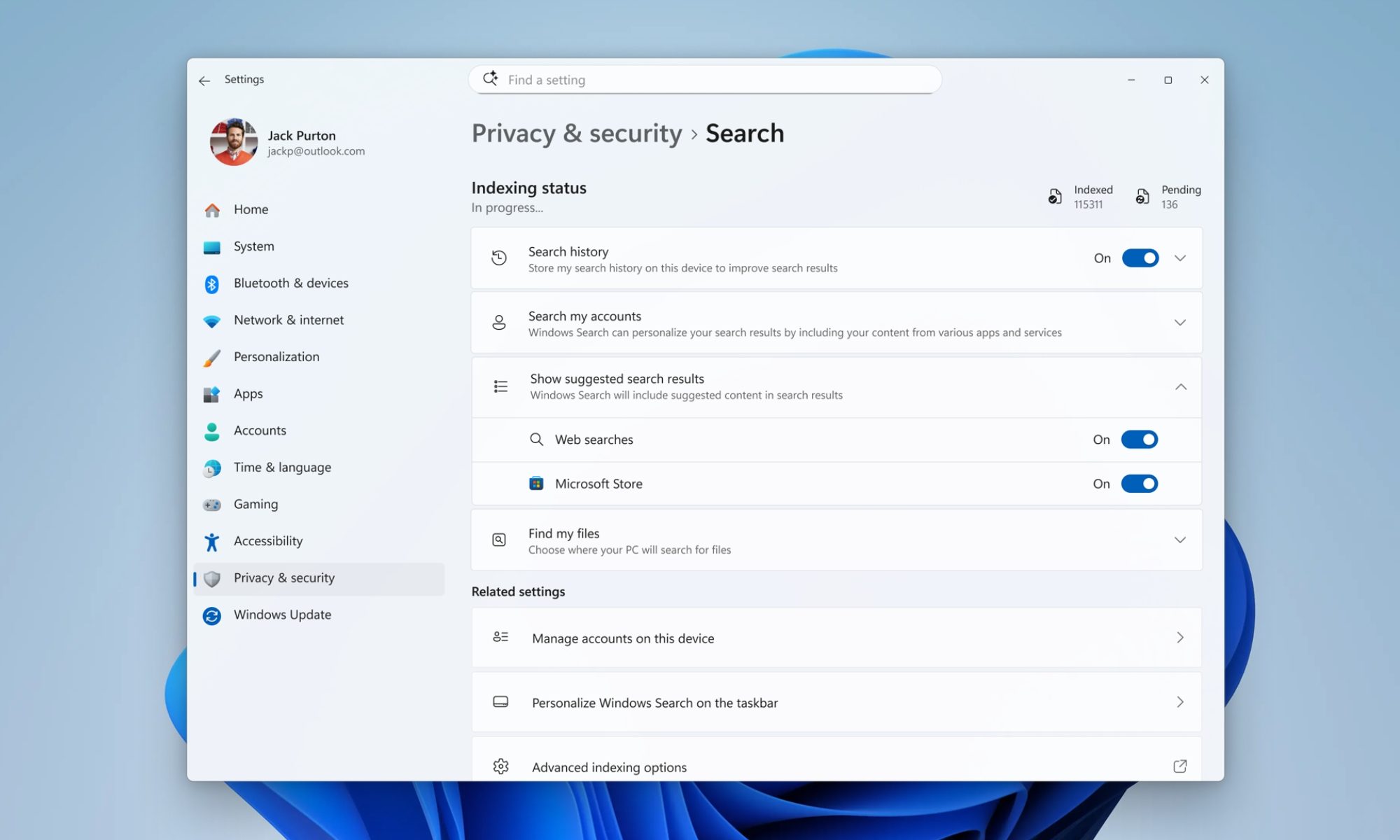
Windows Insiders in the Experimental channel are getting a Search experience that finally feels less of a billboard and more of what users actually need.
Page, Text, Person

Windows Search has been a mess for years, and I do not use that word lightly. Open it to find a file, and you get trending Bing topics, Microsoft Store promotions, and an AI tools tile that just opens a browser. 

That is changing, but not immediately for all users. Microsoft is rolling out a batch of Windows Search improvements to Insiders in the Experimental channel, and for once, this isn't just a fresh coat of paint.

Read more
Apple doesn’t want to share this AirPods feature with Meta, but the EU may force its hand
Spring 2027, EU only, built under DMA pressure.
The front of the Ray-Ban Meta smartglasses.

I’ve been an AirPods user for the last four years, and one of the things that makes it genuinely hard to leave behind is the seamless, almost magical pairing experience across devices. Open an AirPods case near your iPhone, and a pop-up appears within seconds. Switch to your Mac and the audio follows. 

However, the experience is limited only to Apple devices. Doesn’t matter whether you have one of the coolest pieces of tech on the market right now; if it’s not Apple, it won’t get the same treatment. However, that might change for the Meta Quest or the Ray-Ban Meta glasses, thanks to pressure from the EU. 

Read more