1. Home
  2. Wearables
  3. News

Samsung Smart Glasses take shape as new details revealed for 2026 launch

Get ready to wear AI - Samsung’s smart glasses are nearly here

Add as a preferred source on Google
Representative Image
Unsplash

What Happened: Okay, so Samsung just got into the mixed reality game this year with its Galaxy XR headset, but it’s already planning the next step: smart glasses.

  • According to the folks at GalaxyClub, it’s aiming for a 2026 launch for its first pair.
  • This isn’t just a minor project; the model number signals a completely new product line, which means Samsung is committing to wearable AI for the long haul.
  • It’s already prepping a version specifically for the U.S. market. The glasses are rumored to include transition lenses – you know, the kind that automatically darken when you walk outside.
  • It’ll have a camera, Wi-Fi, and Bluetooth, but it won’t be able to connect to a mobile network on its own.
  • The report also states that Samsung actually has two products coming: a simple AI-driven model in 2026, and a full-blown augmented reality (AR) version in 2027.

Why Is This Important: This 2026 model is really interesting because it’s designed to be like Meta’s Ray-Ban smart glasses – low-profile and focused on AI assistance, not a big screen strapped to your face.

  • This positions Samsung to go straight after Meta in that fast-growing, discreet smart eyewear market.
  • The features – especially those transition lenses and the built-in camera – suggest it’s aiming for a gadget you can wear all day.
  • Given how hard Samsung is pushing Google Gemini AI across all its devices, it’s safe to bet these glasses will have deep Gemini integration for hands-free info and calls. It could really be the thing that makes smart glasses a normal accessory.

Why Should I Care: So, why should you care? If you constantly rely on your phone for directions, communication, or just asking AI questions, these glasses could fundamentally change your day.

  • It’s taking those functions – voice AI, instant photos/videos, communication – and putting them right in your line of sight. No screen needed.
  • For commuters, students, or professionals, that’s a huge boost in convenience. And since Meta’s Ray-Bans start around $379, Samsung’s offering is expected to be affordable enough for a lot of people to try out.
Recommended Videos

What’s Next: Samsung hasn’t given an official date or price yet, but the rumors point to the display-less model launching in 2026 and the full AR version in 2027.

  • Expect a lot more leaks throughout 2025 as prototypes move toward manufacturing.
  • As Samsung strengthens its wearable ecosystem and goes all-in on AI-first hardware, these smart glasses are shaping up to be one of the company’s most crucial launches of the decade.
Moinak Pal
Moinak Pal is has been working in the technology sector covering both consumer centric tech and automotive technology for the…
Qualcomm is set to ratchet up chip prices in September, and your next gadget upgrade could bear the brunt
The price hike could touch every Snapdragon-powered device category.
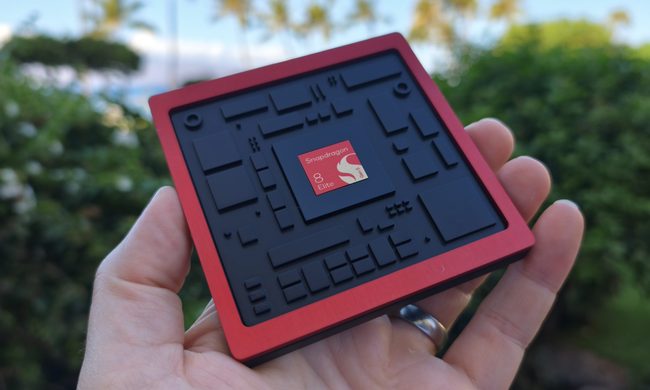
The new Qualcomm Snadragon 8 Elite Gen 5

I want you to sit with this for a second. Qualcomm, the company whose Snapdragon chips sit inside your Android phone and tablet, your Windows laptop, your Meta smart glasses, your Galaxy Watch, and your wireless earbuds, reportedly sent a letter to every major customer telling them prices are going up by double digits. 

The price hike will be in effect from September 1, 2026, a recent Bloomberg report claims. Essentially, all the companies placing their chip orders after that will pay a higher price. 

Read more
Slacked off all summer? Here are 3 fitness trackers that’ll help you stay accountable as you head back to school
Three trackers, three price points, three totally different approaches to keeping you honest about your own goals.
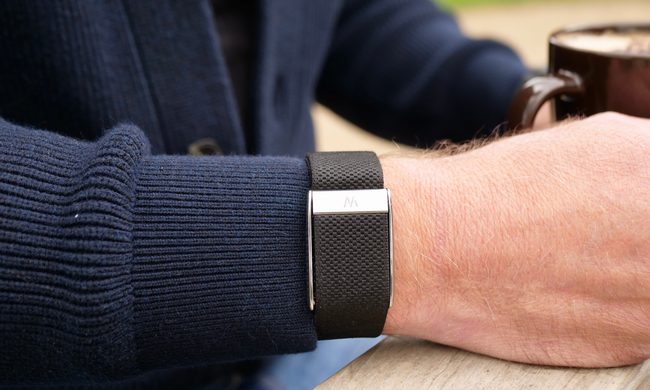
A person wearing the Whoop 5.0.

Summer break did what it usually does. Your sleep schedule drifted, workouts happened less often than you'd hoped, and by the time August rolled around, you were feeling it. You've got a plan to get back on track once the school year starts and your days have more structure, but you know how that usually goes. The first two weeks are solid, then the routine quietly slips.

A fitness tracker won't get you off your couch. What it will do is put a number in front of you every day, one that makes it obvious whether you stuck to your goal or slacked off. That small bit of visibility is often the difference between meaning to work out and actually doing it. Back-to-school season is a good time to buy in, since you're already resetting more than one part of your routine, and the overlap makes the habit more likely to stick. To keep the odds in your favor, here are three fitness trackers that can help you stay accountable and actually hit your goals.

Read more
Galaxy Watch 9 vs. Watch Series 11: Has Apple finally met its smartwatch match?
From AI-powered health coaching to outdoor fitness tracking, here's how Samsung's Galaxy Watch 9 stacks up against Apple's Watch Series 11.
Wristwatch, Arm, Body Part

These days, the real battleground between smartwatches is who can turn a wrist-worn, sensor-loaded device into something that resembles a personal fitness trainer, and this year's crop of flagship wearables takes that fight more seriously than ever. 

Samsung just refreshed its mainstream Galaxy Watch line with a new silicon and a batch of clinically-backed health tools, landing squarely on Apple's home turf of preventive wellness tracking. Apple, for its part, has spent the better part of a year letting its Series 11 sit as the reigning pick for anyone inside its ecosystem, propped up by a software catalog few rivals match feature-for-feature. 

Read more