1. Home
  2. Computing
  3. Entertainment
  4. Web
  5. Legacy Archives

FBI warns U.S. firms about ‘destructive’ malware after Sony Pictures hack

Add as a preferred source on Google

Just days after Sony Pictures’ internal computer system was hit by hackers, the FBI has issued a so-called “flash warning” to U.S. businesses warning them to beware of specific malicious software that could cause havoc on their own networks.

The report, issued to firms across the country on Monday evening, reveals some details about the malware and how it was used in a recent attack, but, as is usual with such flash warnings, doesn’t name the specific company involved. However, the nature and timing of the five-page warning suggests it could be linked to the recent high-profile attack on Sony Pictures.

Recommended Videos

According to Reuters, which managed to obtain a copy of the report, the FBI’s warning to firms explained that the destructive software has the ability to make computers inoperable and shut down networks.

Such reports are issued by the FBI to businesses when it discovers an emerging and potentially damaging cyber threat. The warning gives security experts at the firms a chance to check their systems and protect themselves against a potential attack.

It seems likely the FBI’s warning is linked to the attack that hit Sony Pictures early last week. Employees at the company first became aware of the intrusion when computers across the network began showing the message “Hacked by #GOP,” apparently short for “Guardians of Peace.”

The incident shut down servers and reportedly exposed a large amount of sensitive company data, including a number of unreleased movies that were apparently nabbed in the attack and subsequently posted online.

The source of the data breach isn’t currently known, though it’s been suggested that hackers working on behalf of North Korea could be to blame as it came just a few weeks before the release of The Interview, a Sony-backed movie about a CIA plot to assassinate Kim Jong-un, the North Korean leader.

The regime earlier this year made clear how it felt about the movie, saying its release would be tantamount to “an act of war.”

Trevor Mogg
Contributing Editor
Not so many moons ago, Trevor moved from one tea-loving island nation that drives on the left (Britain) to another (Japan)…
Lenovo’s new gaming laptop is the first to feature a 240Hz inkjet-printed OLED display
TCL’s inkjet-printed OLED technology finally reaches a commercial laptop through Lenovo
Computer, Electronics, Laptop

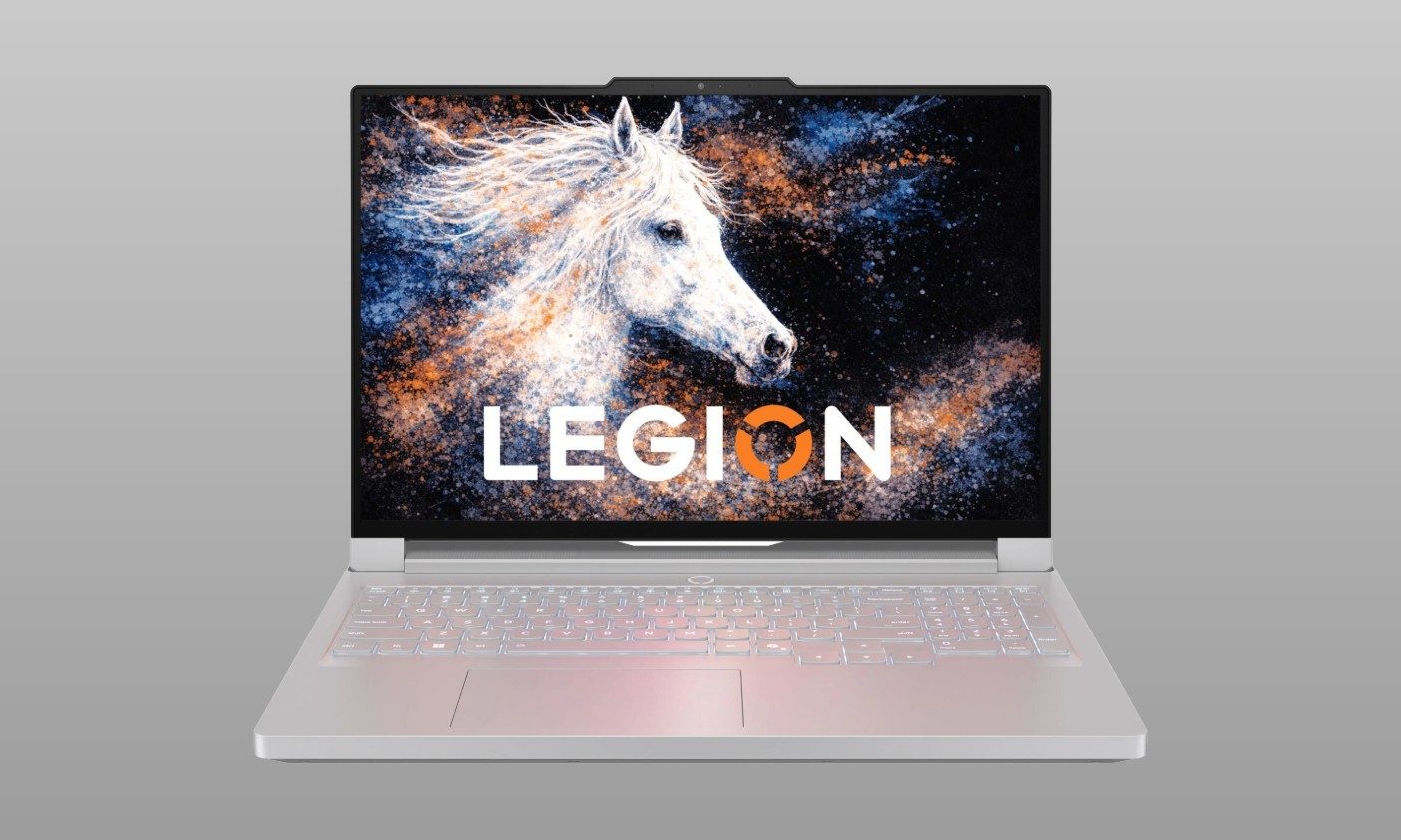
TCL has spent years saying inkjet-printed OLED could improve image quality, efficiency, lifespan, and manufacturing costs. Back in 2024, the company was still showing prototype laptop panels and promising a “comprehensive breakthrough” once the technology was ready for commercial products.

Two years later, it has finally arrived in a gaming laptop. Lenovo’s new Legion R9000P uses a 16-inch panel that TCL CSOT describes as the world’s first inkjet-printed OLED display integrated into a laptop.

Read more
This new Mac malware won’t let you use your computer until you surrender your password
This Mac malware turns your own computer against you
AI Generated Image

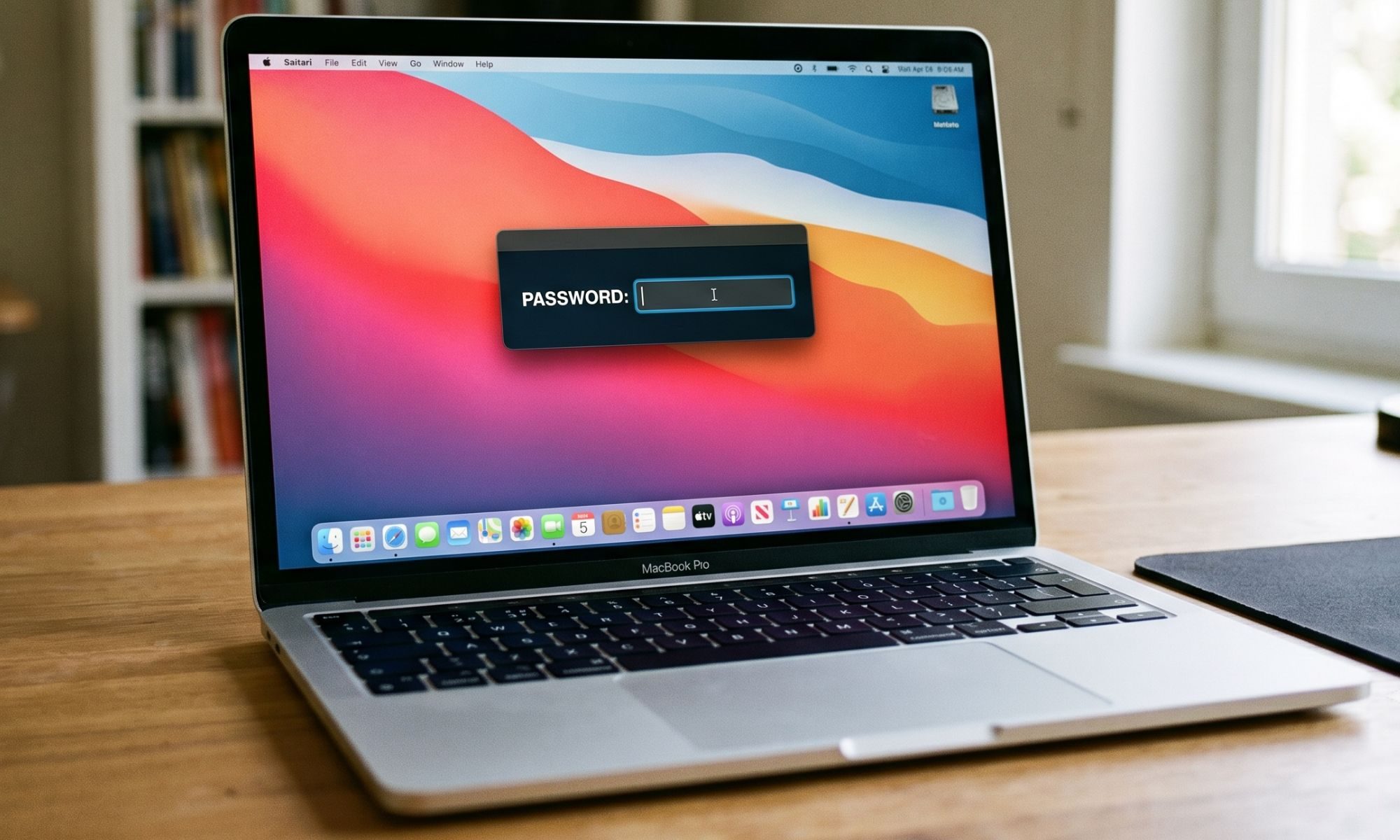
A newly discovered strain of macOS malware is taking social engineering to an unsettling new level. Instead of exploiting a software vulnerability or silently stealing information in the background, it simply refuses to let you use your Mac until you type in your login password.

Dubbed ClickLock, the malware repeatedly shuts down key macOS processes, disables notifications, displays convincing Apple password prompts, and effectively traps users in a loop that only ends when the correct password is entered. Once that happens, it doesn't just steal the password. It goes after browser data, cryptocurrency wallets, saved credentials, password managers, and much more.

Read more
1Password lets Claude inside your accounts without handing over the keys
Claude can now sign in on your behalf while your password stays hidden, though trusting it after login is a separate decision
1Password official

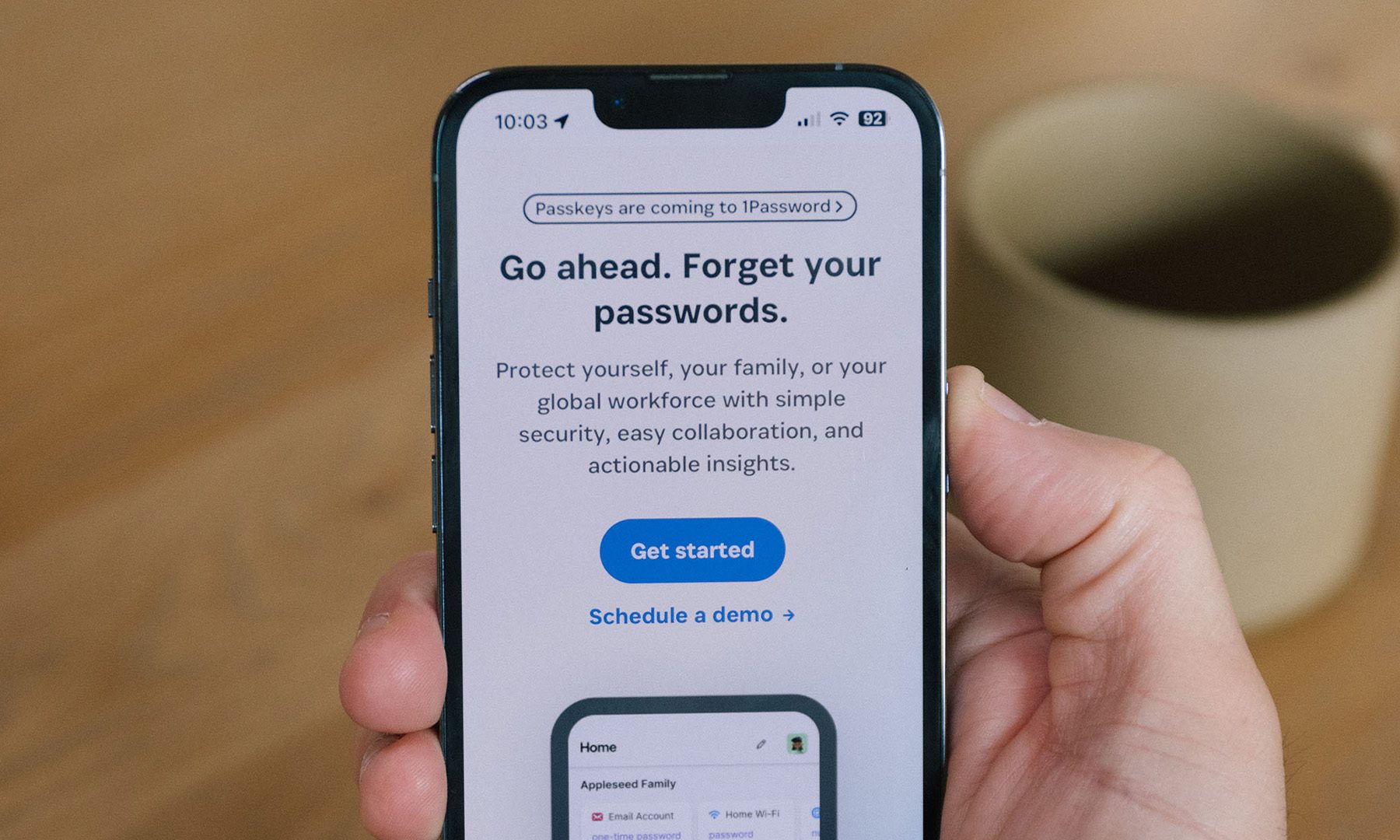
1Password is giving Claude a way into your online accounts without making your passwords part of the bargain. The new 1Password for Claude integration can fill login details while keeping the credentials hidden from Anthropic’s AI agent.

Available now on Mac, the feature kicks in when Claude reaches a sign-in page during a task. Claude requests a saved login, then you approve or deny it. If approved, 1Password submits the credentials through a separate encrypted channel. Passwords and one-time codes never enter Claude’s context or Anthropic’s systems.

Read more