1. Home
  2. Smart Home
  3. News

Hand washing dishes may help kids avoid developing allergies

Add as a preferred source on Google

The first dishwashing machine patent went to Joel Houhgton in 1850. The wooden machine wasn’t very affective; its wheel had to be turned by hand to wet the dishes. Unaware of such a patent, socialite Josephine Cochran decided, “If nobody else is going to invent a dishwashing machine, I’ll do it myself,” according to the Chicago Tribune. After receiving her patent in 1886, she debuted her invention at the 1893 World’s Colombian Exposition. While her friends and hotels wanted versions, dishwashers didn’t become widespread until the 1950s, though Cochran’s company eventually became KitchenAid.

People have only been sterilizing their dishes for about half a century. Water above 145 degrees Fahrenheit kills many bacteria. Dishwashers typically run between 130 and 170 degrees Fahrenheit, but people can get third-degree burns from 133-degree water in 15 seconds, according to the Burn Foundation. It would seem dishwashers are a safer option, but new research in the journal Pediatrics from Sweden’s University of Gothenburg suggests it may not be an entirely ideal solution.

Recommended Videos

 Related: The best way to load a dishwasher, according to science

The university’s study followed 1,029 Swedish children, who were 7 and 8 years old, to see how hand washing and machine washing dishes affected them. Researchers found eczema was far less likely to develop in children whose parents did the dishes by hand, and allergic asthma and hay fever were somewhat less likely to occur in these children, too. The effect may be due to the hygiene hypothesis: the idea that those in developed countries aren’t exposed to enough bacteria and microorganisms, thanks to everything from sterilization to hand sanitizers to a lack of interaction with animals. In developing countries, such exposure helps immune systems learn what it should attack and what it should leave alone.

“The hypothesis was that these different dishwashing methods … are not equally good in reducing bacteria from eating utensils and so on,” Dr. Bill Hesselmar, who led the study, tells NPR. “So we thought that perhaps hand dishwashing was less effective, so that you are exposed to more bacteria.”

Of course, he admits that this could be correlation and not causation and other factors, such as the type of food eaten (fermented) and purchasing some items from a farm rather than a grocery store, also appeared to make the children in hand-washing families more immune.

While he says the study does lend support to the hygiene hypothesis, allergist Dr. Todd Mahr tells NPR that it’s too early to recommend dismantling the dishwasher. “I’m not convinced it’s going to make that big a difference,” he says of favoring hand washing.

Jenny McGrath
Former Senior Writer, Home
Jenny McGrath is a senior writer at Digital Trends covering the intersection of tech and the arts and the environment. Before…
Top Smart Home Upgrades Worth Making Before Your Summer Break
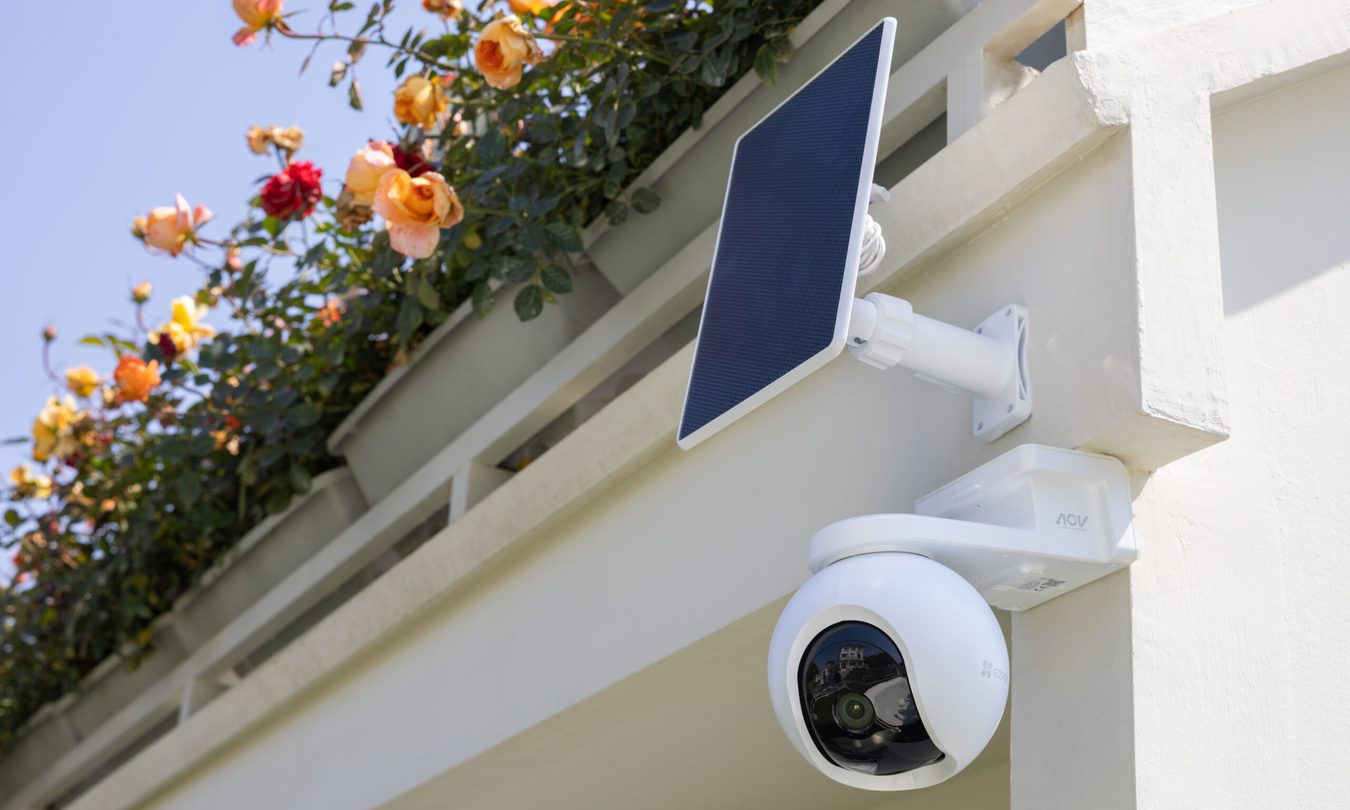
From outdoor monitoring to smarter front-door security, these EZVIZ devices combine smart protection with daily convenience
Person, Security, Electronics

Summer often brings a welcome change of routine for homeowners across Europe. Family holidays, weekend getaways, and longer days spent outdoors mean more time away and fewer opportunities to stay connected to what's happening back at the property. While it's a season for slowing down and enjoying the warmer months, everyday responsibilities don't simply pause. Deliveries still arrive, visitors may stop by unexpectedly, and trusted family members, cleaners, or pet sitters may occasionally need access while you're away.

Modern smart home technology makes those situations easier to manage. Today's connected devices can do far more than record footage or send motion alerts. They can help homeowners monitor outdoor spaces around the clock, stay informed about important activity, communicate with visitors remotely, and manage entry without needing to be physically present. Instead of constantly checking in or wondering whether everything is running smoothly back home, the right setup can provide greater visibility, convenience, and peace of mind throughout the season.

Read more
EZVIZ Sets a New Benchmark for Battery Powered Home Surveillance
Because every property deserves protection without compromise
Person, Security, Tape

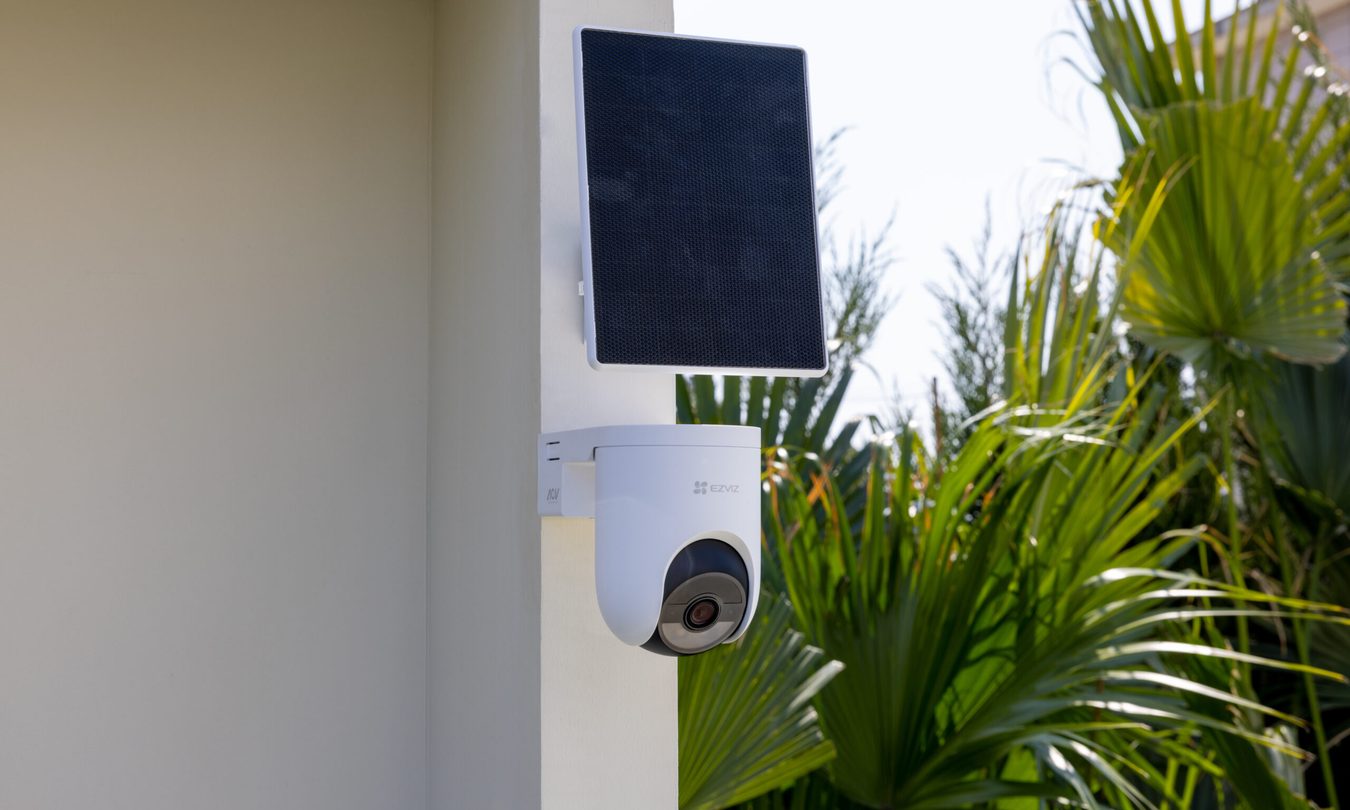
Battery-powered smart cameras have become one of the fastest-growing categories in home monitoring. Once valued primarily for their seamless installation, today's models combine advanced visual technology, AI-powered intelligence, and dependable long-term performance that rivals many traditional wired systems. As innovations such as Always On Video 2.0 and solar charging continue to improve everyday usability, battery cameras are becoming the preferred choice for homeowners seeking flexible, comprehensive outdoor protection.

This shift has also raised expectations. Modern users want more than clear video. They expect smart detection, reliable monitoring, seamless smart home integration, and solutions that adapt to different property sizes and lifestyles. As one of the world's leading smart home camera brands, EZVIZ has responded by building one of the industry's most comprehensive portfolios of battery-powered cameras. The lineup is designed to serve every living situation, whether for renters or owners of apartments, condominiums, or villas. From accessible options for everyday monitoring to advanced multi-lens systems for larger and more demanding environments, the portfolio reflects a strong focus on innovation, user-centric design, and real-world needs.

Read more
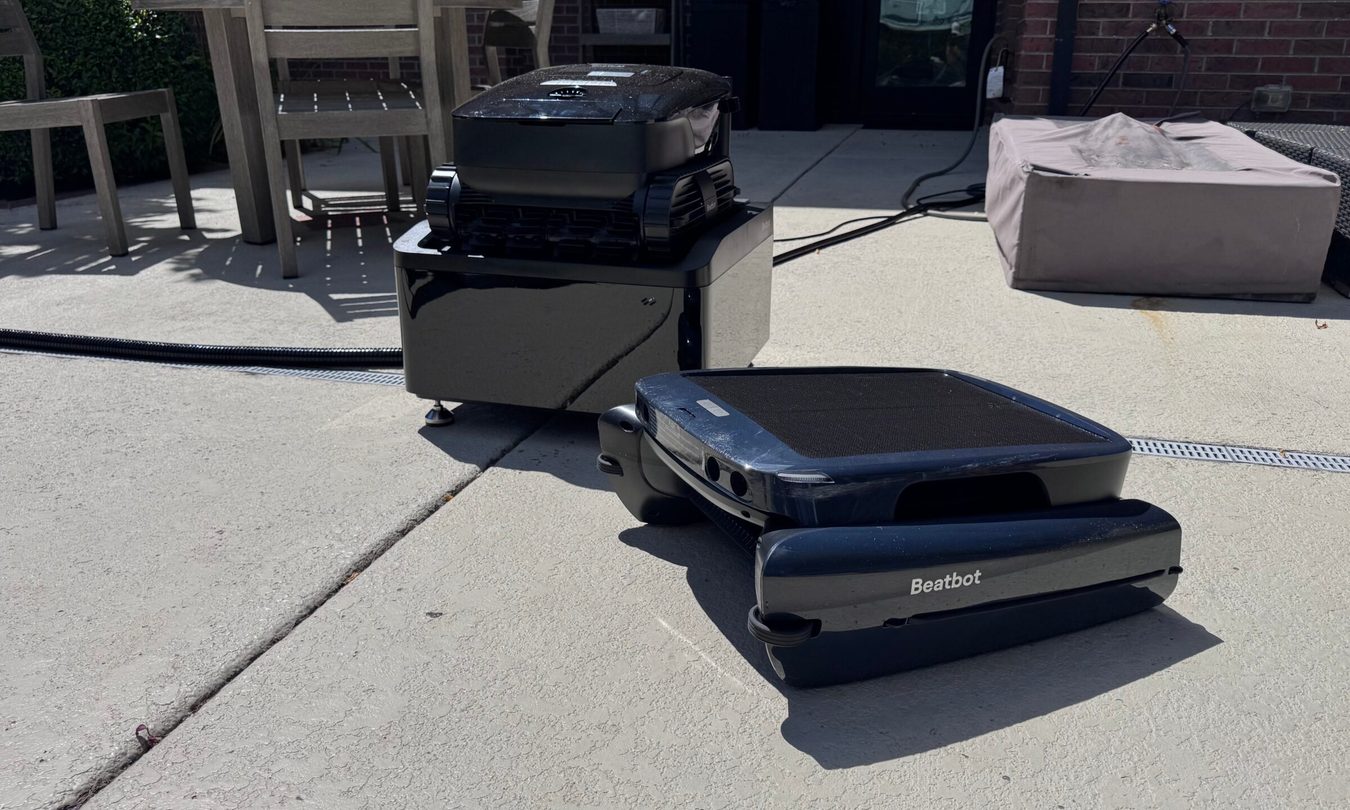
Beatbot AquaSense X review: The pool cleaner for those that want to be pampered
It's a nothing short of a self-cleaning nirvana for your pool. But as they say, nothing fine comes without a fittingly handsome fee.
Beatbot Aquasense X robot, AstroRinse station and iSkim

view at amazon

Quick take: 

Read more