1. Home
  2. Entertainment
  3. News

Fifty Shades of Grey is now Universal Pictures’ most successful R-rated movie of all time

Add as a preferred source on Google

If there’s one lesson to be learned from today’s announcement by Universal Pictures that Fifty Shades of Grey has topped $500 million globally to become the studio’s most successful “R”-rated movie of all time, it’s that when it comes to theater audiences, sex sells.

Director Sam Taylor-Johnson’s big-screen adaptation of E.L. James’ erotic fantasy novel officially surpassed the $500 million mark worldwide, according to Variety, despite poor reviews from audiences and critics alike and an underwhelming overall performance at the U.S. box office after an impressive opening weekend. Its success (or lack thereof) at home did little to impede its momentum overseas, though, as the film earned more than $350 million internationally.

Recommended Videos

The film’s performance at the box office makes a sequel (or sequels) a relative certainty, though the studio has yet to officially announce them.

It’s worth noting that Fifty Shades of Grey moved to the top of Universal’s worldwide box-office record books for “R”-rated projects by passing a film released just last year: director Luc Besson’s action film Lucy, starring Scarlett Johansson. Similarly, Lucy had a less-than-stellar showing in U.S. theaters (although it did receive positive reviews from critics), but more than doubled its domestic box-office once it was released internationally.

For what it’s worth, Fifty Shades of Grey currently ranks #131 in the all-time ranking of movies’ box-office earnings globally, just after 1990’s Ghost and 1992’s Aladdin, and slightly ahead of 2014’s Rio 2 and 2004’s Troy.

Rick Marshall
Former Contributing Editor, Entertainment
A veteran journalist with more than two decades of experience covering local and national news, arts and entertainment, and…
Christopher Nolan’s personal take on smartphones is surprisingly practical
Christopher Nolan says not owning a smartphone helps him think better
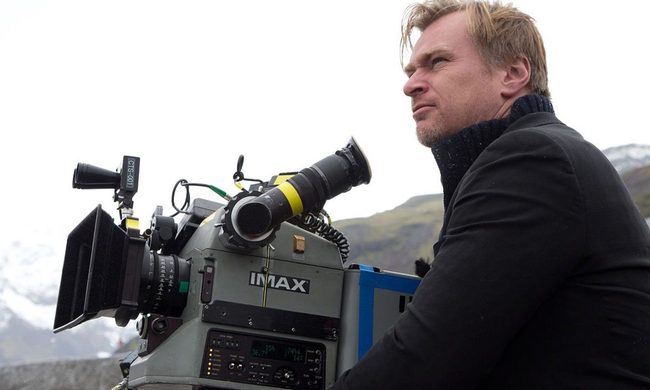
Christopher Nolan sits in front of an IMAX camera.

Christopher Nolan has spent his career embracing cutting-edge filmmaking technology while resisting one of the most common gadgets on the planet: the smartphone. The Oscar-winning director behind Oppenheimer, Inception, and the upcoming The Odyssey says his decision isn't about rejecting technology altogether. It's about protecting something he believes has become increasingly rare - time to think.

In an interview with The Telegraph ahead of the premiere of The Odyssey, Nolan explained that he still doesn't own a smartphone, despite living in a world where QR codes, digital tickets, and messaging apps have become everyday necessities. His reasoning, however, is far more practical than philosophical.

Read more
Letterboxd could find a new home at Netflix, but Sony is fighting for it, too
Netflix wants Letterboxd, but Hollywood isn't letting it go without a fight
Letterboxd

Letterboxd, the fast-growing social network for film lovers, could soon have a new owner. According to a report by Puck News, the New Zealand-based platform has been exploring a potential sale, attracting interest from several major entertainment companies, including Netflix, Sony Pictures Entertainment, and Paramount Skydance.

While no deal has been confirmed, the discussions highlight how valuable online fan communities have become as streaming platforms compete not just for viewers, but also for the audiences that influence what people watch next.

Read more
Disney+ is exploring a free tier to fight back against YouTube’s growing TV dominance
Disney is eyeing a free tier as YouTube keeps stealing its TV audience
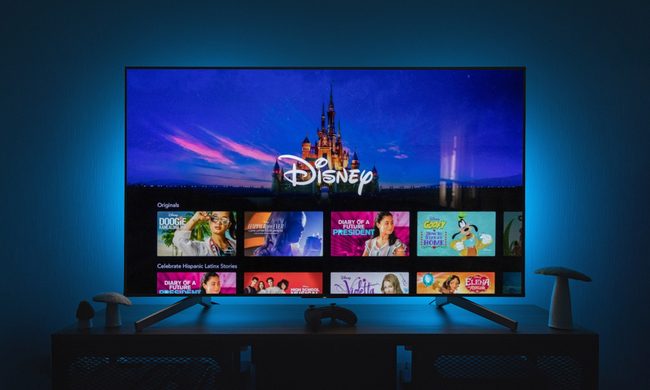
The Disney+ app on a TV screen while blue lights illuminate the wall behind.

Watching Disney+ without paying for a subscription could eventually become an option. According to Business Insider, Disney is considering a free tier that would let people watch some content without a paywall.

The idea is still in the early stages, with no timeline or launch details, but it reflects a growing challenge. YouTube and other free, ad-supported platforms like Tubi and Roku are attracting more TV viewers, forcing streaming services to rethink how they compete.

Read more