1. Home
  2. Computing
  3. Gaming
  4. News

Kinect for Windows is dead, long live Kinect for Windows

Add as a preferred source on Google

While Microsoft’s Kinect sensor has never been an enormous hit among gamers, it has enjoyed much more popularity in other, more scientific areas. Now Microsoft has announced that, although the sensor will no longer be sold for Windows, developers don’t have to worry about its availability for the platform.

The past year has seen Microsoft consolidating many of its products and services, and this is another step in that direction. While the Kinect for Xbox One is popular with developers, the recent introduction of the Kinect Adapter has removed the need to sell a separate, Windows-only version. The adapter allows a Kinect for Xbox One to be connected to Windows 8 and 8.1 devices exactly as a Kinect for Windows v2 sensor would.

Recommended Videos

The Kinect for Windows Developer program allows Kinect sensors to be used for a wide range of applications, many of which were never imagined when the project was in development. NASA’s Jet Propulsion Laboratory, for example, paired a Kinect for Xbox One with an Oculus Rift to manipulate a robotic arm.

Microsoft seems to have a keen understanding of how valuable its sensor has become for scientific and medical uses, and so the company has no intention of halting availability of the Kinect for those purposes.

“Microsoft remains committed to Kinect as a development platform on both Xbox and Windows. So while we are no longer producing the Kinect for Windows v2 sensor, we want to assure developers who are currently using it that our support for the Kinect for Windows v2 sensor remains unchanged and that they can continue to use their sensor,” reads the post announcing the change on the Kinect for Windows Blog.

Microsoft will continue to support the use of the Kinect for developers, and will showcase interesting uses of the device on the Kinect for Windows blog.

Kris Wouk
Former Contributor
Kris Wouk is a tech writer, gadget reviewer, blogger, and whatever it's called when someone makes videos for the web. In his…
TSMC might set up a price hike that could come straight for your next phone, laptop, or tablet
Here's what TSMC's rumored 10% chip price increase actually means in dollar terms, and why your next phone or laptop could end up costing more.
TSMC Fab

My wallet flinched the second I saw the words "TSMC" and "price increase" in the same headline, and honestly, yours should too.

Turns out the company behind the silicon powering basically every flagship device out there, including Apple’s A-series and Qualcomm’s Snapdragon processors, is reportedly about to make all of it a little pricier.

Read more
Apple fixes Hide My Email bug that exposed users’ real email addresses
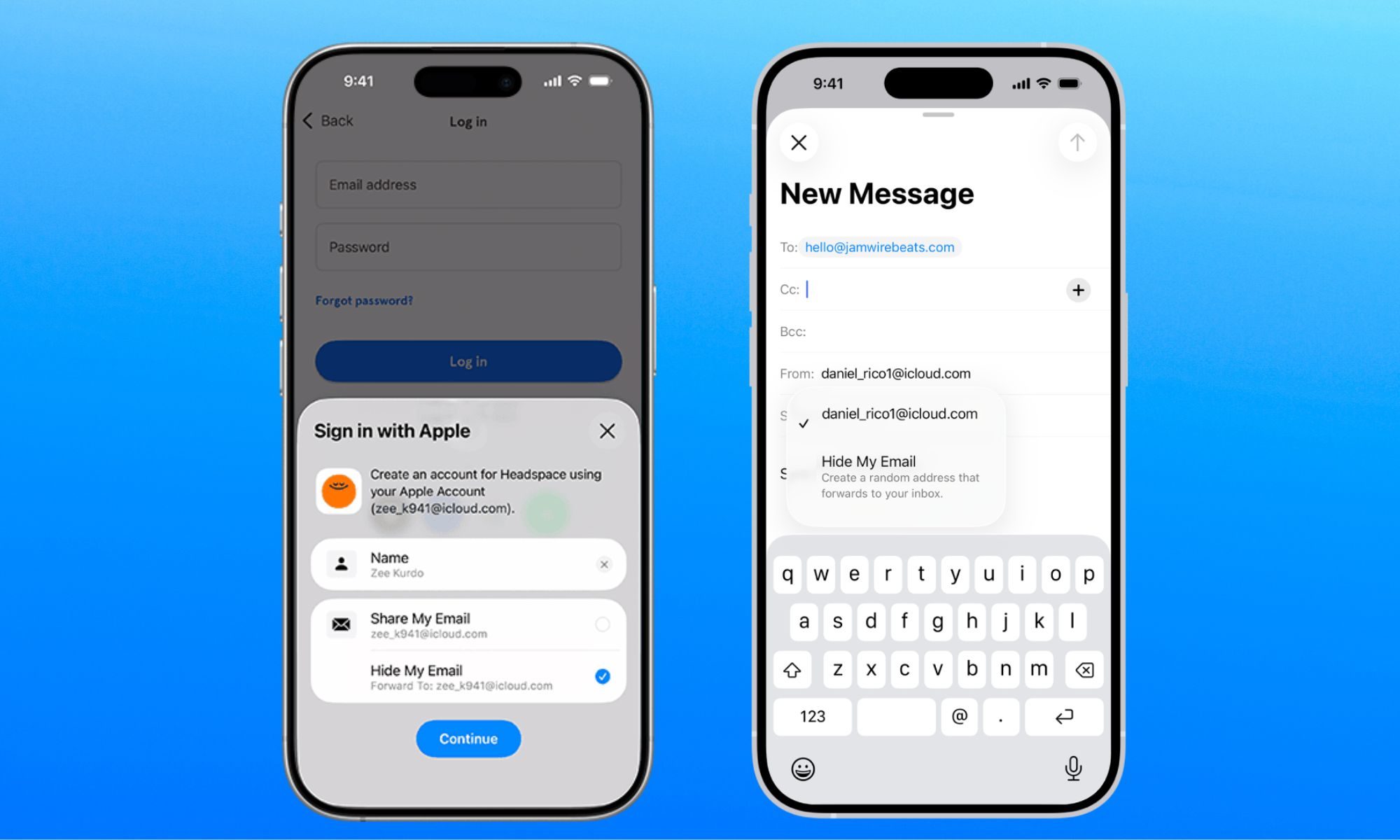
Here's how Apple's Hide My Email flaw leaked real addresses for over a year, and why it only got fixed once the story went public.
apple-merging-sign-in-with-apple-hide-my-email-icloud+

Turns out the "Hide" part of Hide My Email wasn't doing its job quite as advertised, something that I covered early in July. Security researcher Tyler Murphy reported the flaw in June 2025, but despite Apple claiming it was resolved in March 2026, independent tests confirmed it remained exploitable, at least until July 3, 2026.

So how did this bug actually work?

Read more
Gemini Notebook’s new Collections arrive just as Google turns it into a bigger workspace
Google is cleaning up notebook organization as the former NotebookLM expands across Gemini and Search
Gemini Notebook branding on a MacBook

Google has barely finished renaming NotebookLM, and it’s already addressing one of the headaches that comes with building a large research library.

Collections are rolling out to all Gemini Notebook users, giving them a way to group related notebooks while keeping everything visible under My Notebooks. The dashboard gets some structure without asking users to rearrange the library they’ve already built.

Read more