1. Home
  2. Emerging Tech
  3. News

The first robot wedding happened in Japan: There was a kiss, cake, and dancing

Add as a preferred source on Google

It’s been quite a week for the institution of marriage: First the U.S. Supreme Court legalized same-sex marriage; now Japan has hosted the first robot wedding. About 100 people gathered in Tokyo on Saturday to witness robots named Frois and Yukirin tie the knot. There was even a “kiss.”

Each attendee paid about $81 to witness the momentous occasion and received special invitations featuring the couple in a heart. The groom was Frois, a boxy red and silver robot that wore a bow tie. The wedding dress-donning bride was Yukirin, a humanoid fashioned in the likeness of Japanese pop star Yuki Kashiwagi. Possibly for copyright reasons, Yukirin was called “Roborin” at the wedding, according to RT.com.

Recommended Videos

Pepper, SoftBank’s popular robot, officiated the wedding before the audience of human and robot guests. There was an awkward kiss between Frois and Yukirin, in which the groom ejected a silver disc out of its mouth. Cake, music, and dancing were also involved, according to the Daily Mail.

Maywa Denki, the electronics accessories company that designed Frois, organized the event. There was no word about honeymoon plans.

Jason Hahn
Former Contributor
Jason Hahn is a part-time freelance writer based in New Jersey. He earned his master's degree in journalism at Northwestern…
You can now generate images with Gemini’s memory without paying a dime
Study guide created by Gemini

Google has made one of Gemini's most interesting AI tricks a lot easier to try. The company is rolling out its personalized image generation feature to eligible U.S. users for free, removing a paywall that previously kept it exclusive to Gemini's paid tiers.

Powered by Google's Nano Banana image model, the feature does more than generate pretty pictures; it taps into Gemini's understanding of you, making AI-generated images feel surprisingly personal.

Read more
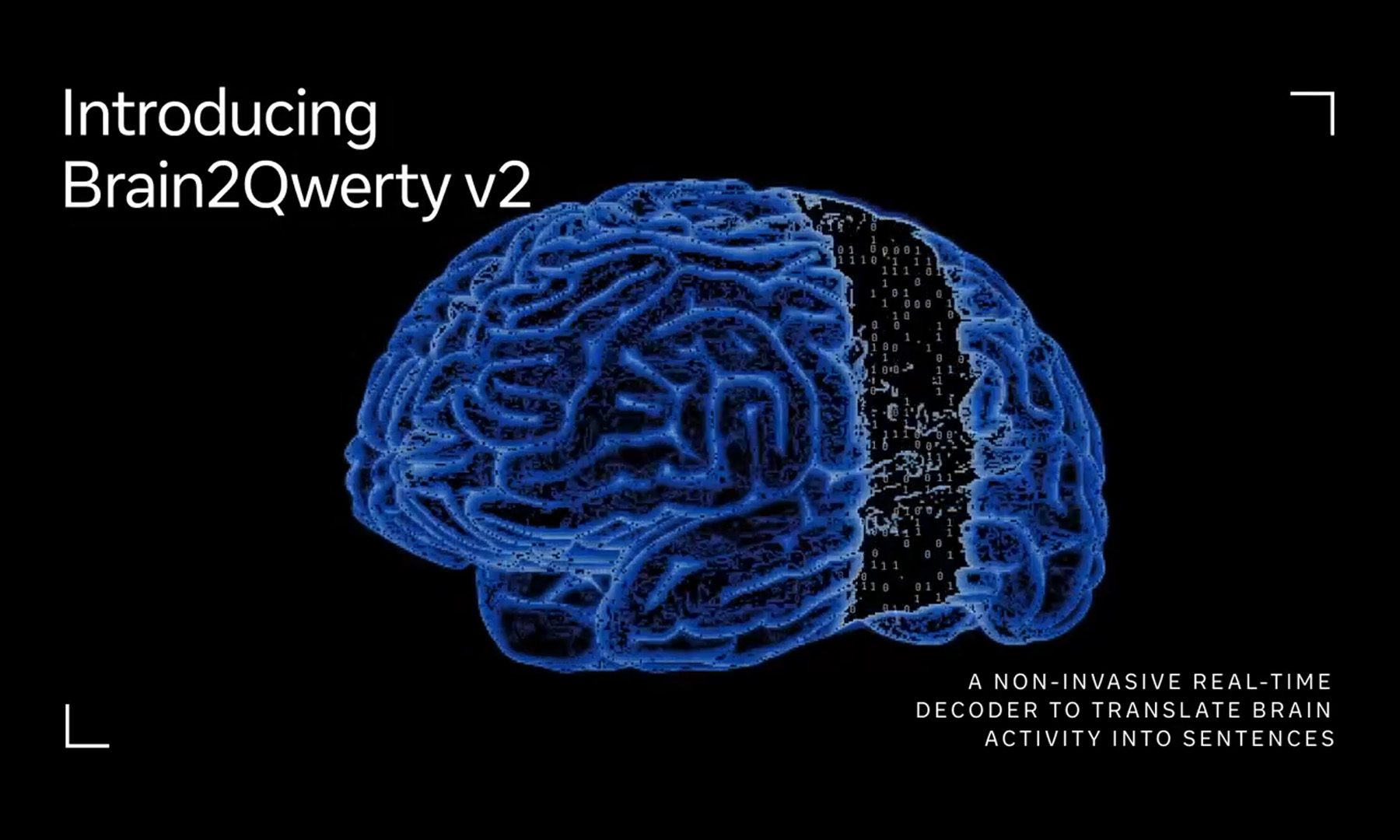
Meta’s Brain2Qwerty v2 turns thoughts into text, and it doesn’t need brain implants
The latest AI model decodes brain signals into coherent sentences using external scanners.
Meta Brain2Qwerty v2 Featured

Artificial intelligence is getting surprisingly good at understanding humans. Now, Meta wants it to understand our brains too. The company has unveiled Brain2Qwerty v2, an upgraded AI system that can translate brain activity into full sentences, all without requiring brain implants or surgery. The goal isn't mind reading for the masses. Instead, it's to help people who have lost the ability to speak communicate again.

How a Brain-powered keyboard works

Read more
AI chatbots can often feed into your delusions. Researchers say you should look for three signs
Experts warn that chatbot design choices can reinforce unhealthy beliefs in vulnerable users.
ChatGPT on a smartphone

Artificial intelligence chatbots have become incredibly good at sounding human. But a new review paper by psychiatrist Marc Augustin and fellow researchers Thomas A. Pollak and Helen Morrin, published in NPP—Digital Psychiatry and Neuroscience, argues that existing AI research points to an overlooked psychological risk. The paper, highlighted by The Wall Street Journal, reviews previous studies and proposes a framework explaining how three common chatbot behaviors can combine to reinforce delusional thinking in vulnerable users, creating what the authors call an "amplification spiral."

Researchers say these are the three warning signs

Read more