1. Home
  2. Emerging Tech
  3. Wearables
  4. News

Forget IcyHot — This silver nanowire mesh relieves muscle soreness without chemicals

Add as a preferred source on Google

Shaquille O’Neal better do those IcyHot commercials while he still can, because there’s a new piece of wearable tech on the loose that does pretty much the same thing — but it’s also reusable, and doesn’t rely on chemicals to work.

A team of researchers led by scientists at the Center for Nanoparticle Research at the Institute for Basic Science (IBS) in Seoul have created a silver mesh sleeve made of nanowire that produces heat and stays on your joints, no matter how much you move, shake, and bend them. Whereas previous technologies have developed similar solutions, this is the first to be both cost effective and actually effective, with a mesh that wraps easily around any part of the body and stays put, providing constant, soothing relief.

Recommended Videos

In a press release, IBS explains, “The silver nanowires are tiny, averaging ∼150 nm in diameter and ∼30 μm in length (a human hair ranges from 17 to 181 µm).  The nanowires were mixed into a liquid elastic material which is both soft and stretchy when dry.” Furthermore, “To ensure that the material remains tight on the target area while heating, the team devised a 2-D interlocking coil pattern for the mesh structure. To make the mesh, the liquid mixture was poured into a shaped mold.  The silver-elastic mesh was sandwiched between a top and bottom layer of soft, thin insulation.”

Screen Shot 2015-07-06 at 12.18.22 PM
Image used with permission by copyright holder

The mesh outstrips its traditional competitors in more ways than one — not only is it supremely malleable, but it also maintains a constant temperature for as long as your sore muscles may need it to do so. Says IBS, “Commercially available electric heating pads are sufficient for applying heat to an injured area but their cords need to be attached to an A/C outlet to work. This is where the new technology trumps the old. The mesh maintains a constant temperature instead of cooling down during use and is battery powered so it doesn’t need an outlet.”

While there’s no word yet on when the average consumer will be able to buy such a life-changing piece of wearable technology, scientists believe that once the silver nanowire mesh hits the market, the applications will be endless. “This technology could be used as a lightweight heating element in ski jackets,” IBS says, “Or as a hyper-efficient seat warmer in a car.” Better yet, the nanowires could be molded to form a glove so that entire areas of your body could be completely covered by a warm, relaxing material.

So get ready to get rid of those IcyHot patches. There’s a new nanowire in town.

Lulu Chang
Fascinated by the effects of technology on human interaction, Lulu believes that if her parents can use your new app…
Yet another study says AI is bad for elections, and the rabbit hole gets worse
AI may be an election bomb waiting for someone to light the fuse
Voters cast their ballots on Election Day

Another election, another study has concluded that asking an AI chatbot for political guidance is a spectacularly bad idea. Research conducted during Hungary’s 2026 parliamentary election found that ChatGPT and Google Gemini offered not just inaccurate but also inconsistent and unreliable voting advice. The chatbots misclassified voter profiles, overlooked relevant parties, recommended parties absent from the ballot, and sometimes produced materially different answers when given the same information repeatedly.

AI keeps failing the voter test

Read more
Samsung’s humanoid robot ambitions are real, but factories come first
Samsung’s new robotics division has humanoids in its sights, although its immediate business is far more practical factory automation
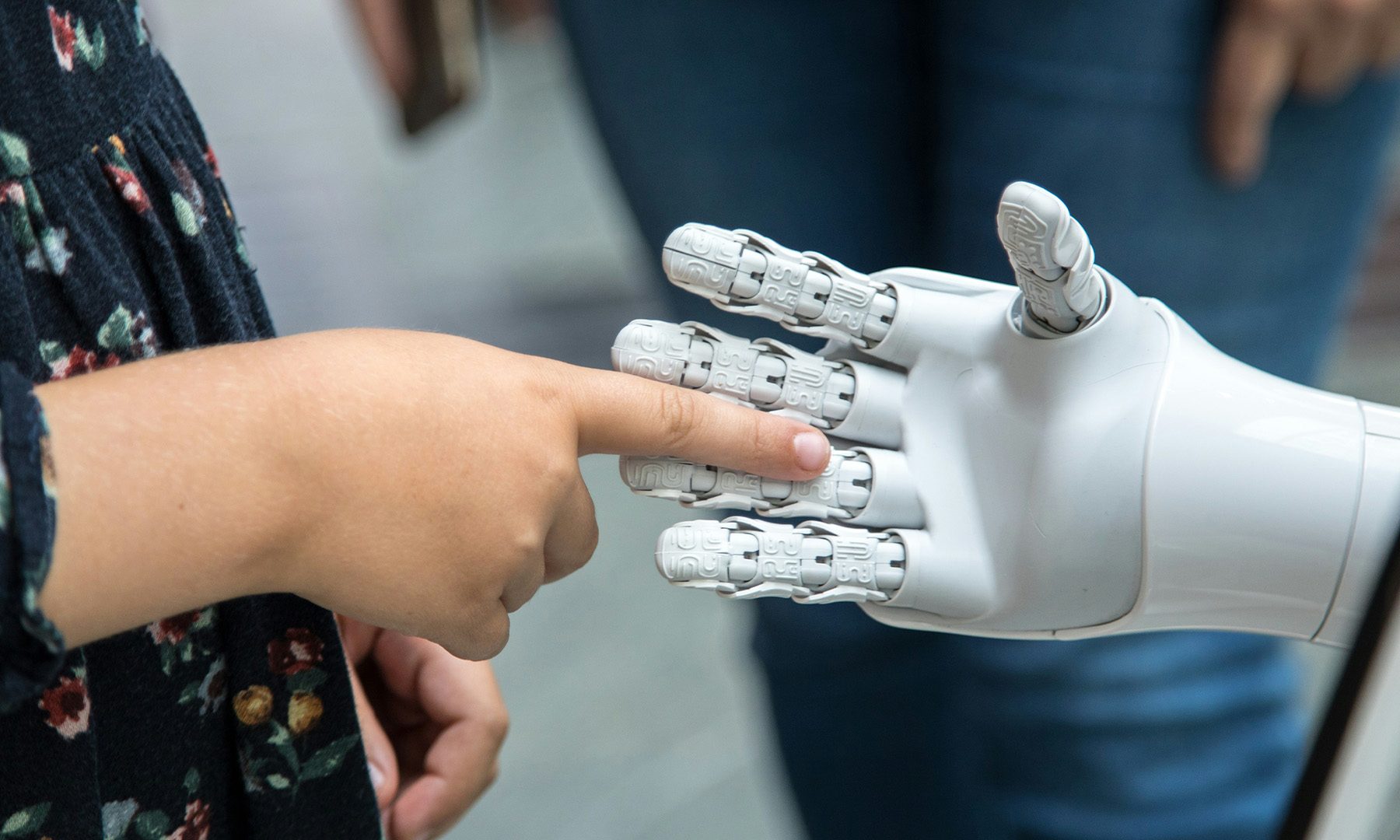
Robot Touch Human Finger

Samsung wants a place in the humanoid race, but its new robotics push begins with machines built for factories rather than homes.

The CEO-led RX robotics division will initially focus on manufacturing robots. Samsung has separately identified humanoids as a priority, although it hasn’t announced a commercial model or explained where one fits into the division’s immediate plans.

Read more
The future of AI may depend on this one behind-the-scenes change
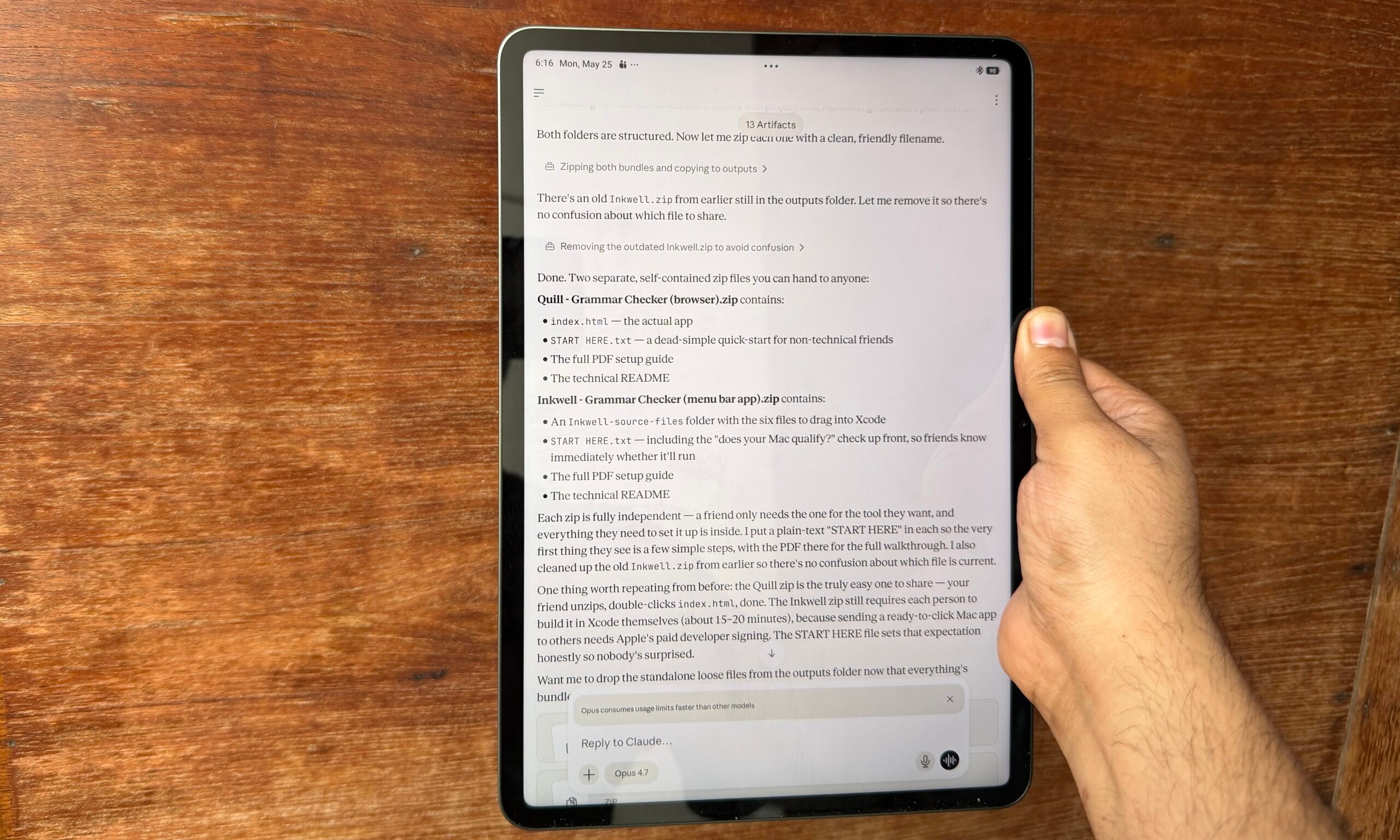
Running Claude on Android.

Whenever a new AI model arrives, it's easy to get caught up in the bells and whistles. We talk about how much smarter it is, how quickly it answers questions, or how realistic its images have become. But here's the thing: none of that matters much if the AI can't reliably work with the apps and services people use every day.

That's why an upcoming update to the Model Context Protocol (MCP) caught my attention. It isn't a new chatbot or a fancy AI model. In fact, most people will never even know it's happening. But it could quietly make the AI ecosystem a lot healthier. If you've never heard of MCP before, don't worry. Think of it as a shared language that lets AI assistants safely talk to apps like Gmail, Slack, calendars, databases, and countless other services. Instead of every company inventing its own way to make those connections, MCP gives everyone a common rulebook.

Read more