1. Home
  2. Emerging Tech
  3. Photography
  4. Web
  5. News

Explore the Guggenheim through the Google Cultural Institute

Add as a preferred source on Google

Frank Lloyd Wright’s architectural masterpiece may be a fixture on New York City’s famed Museum Mile, but now, even if you’re not a Manhattanite, you can explore the Guggenheim anytime you want. Google, which seems to be on a mission to take us literally anywhere in the world without ever asking us to lift a finger (well, never lifting a foot), has added the iconic museum to its Cultural Institute, which already includes historic, artistic, and cultural gems from around the world.

Art enthusiasts everywhere can now tour the Guggenheim with Google’s Street View technology, reimagined for the use of museum hopping. Over 120 pieces from the museum’s impressive collection are now available for online viewing, and both the No Country: Contemporary Art For South and Southeast Asia exhibit displayed in 2013, as well as works from last year’s Storylines: Contemporary Art at the Guggenheimcan now be found on the Institute.

Recommended Videos

And while some online collections seem to stagnate over time, such will not be the case for the ever-changing Guggenheim. The dynamism of the museum will be reflected within its digital presence, as well — later in 2016, contemporary artworks from Latin America, the Middle East, and North Africa will also be added, allowing for more than 100 living artists to be fully represented on the Guggenheim’s Cultural Institute site.

Much of the impressive online display was created using drone, tripod, and Street View “trolly” images, that were ultimately compiled to create a 360-degree viewing experience. Not only will you be able to view the art in great detail, but you’ll also be able to “explore” the stunning interior of the museum, with its famous rotunda and winding stairs.

Already, the impressive Cultural Institute has brought the often-antiquated world of art into the 21st century, taking viewers behind the scenes in ballets, philharmonics, and of course, museums. With partnerships spanning across 1,000 some organizations and institutions, the Institute has amassed a collection of some 6 million photos, videos, manuscripts, and other documents of art, culture, and history. And now, the Guggenheim is joining the party.


Lulu Chang
Fascinated by the effects of technology on human interaction, Lulu believes that if her parents can use your new app…
Yet another study says AI is bad for elections, and the rabbit hole gets worse
AI may be an election bomb waiting for someone to light the fuse
Voters cast their ballots on Election Day

Another election, another study has concluded that asking an AI chatbot for political guidance is a spectacularly bad idea. Research conducted during Hungary’s 2026 parliamentary election found that ChatGPT and Google Gemini offered not just inaccurate but also inconsistent and unreliable voting advice. The chatbots misclassified voter profiles, overlooked relevant parties, recommended parties absent from the ballot, and sometimes produced materially different answers when given the same information repeatedly.

AI keeps failing the voter test

Read more
Samsung’s humanoid robot ambitions are real, but factories come first
Samsung’s new robotics division has humanoids in its sights, although its immediate business is far more practical factory automation
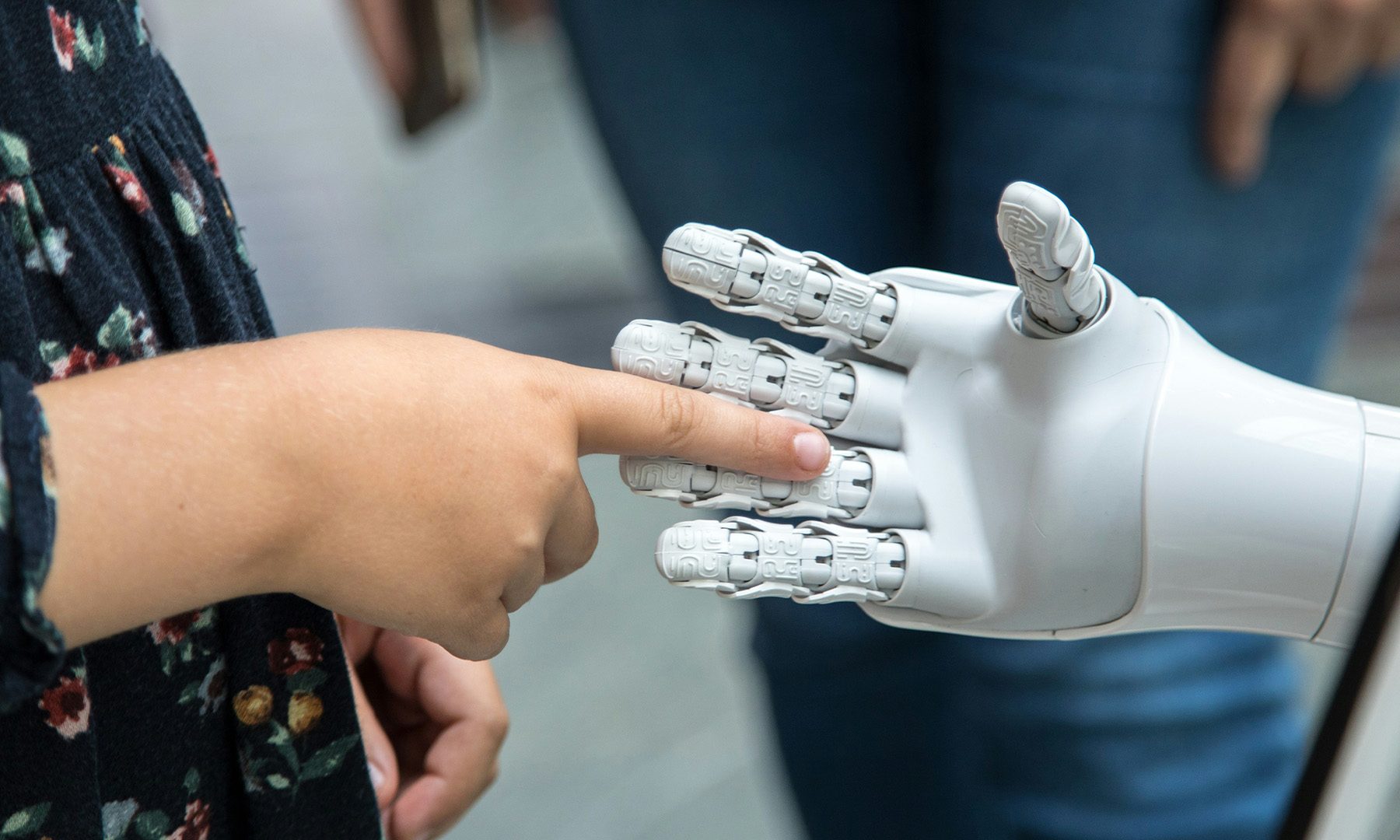
Robot Touch Human Finger

Samsung wants a place in the humanoid race, but its new robotics push begins with machines built for factories rather than homes.

The CEO-led RX robotics division will initially focus on manufacturing robots. Samsung has separately identified humanoids as a priority, although it hasn’t announced a commercial model or explained where one fits into the division’s immediate plans.

Read more
The future of AI may depend on this one behind-the-scenes change
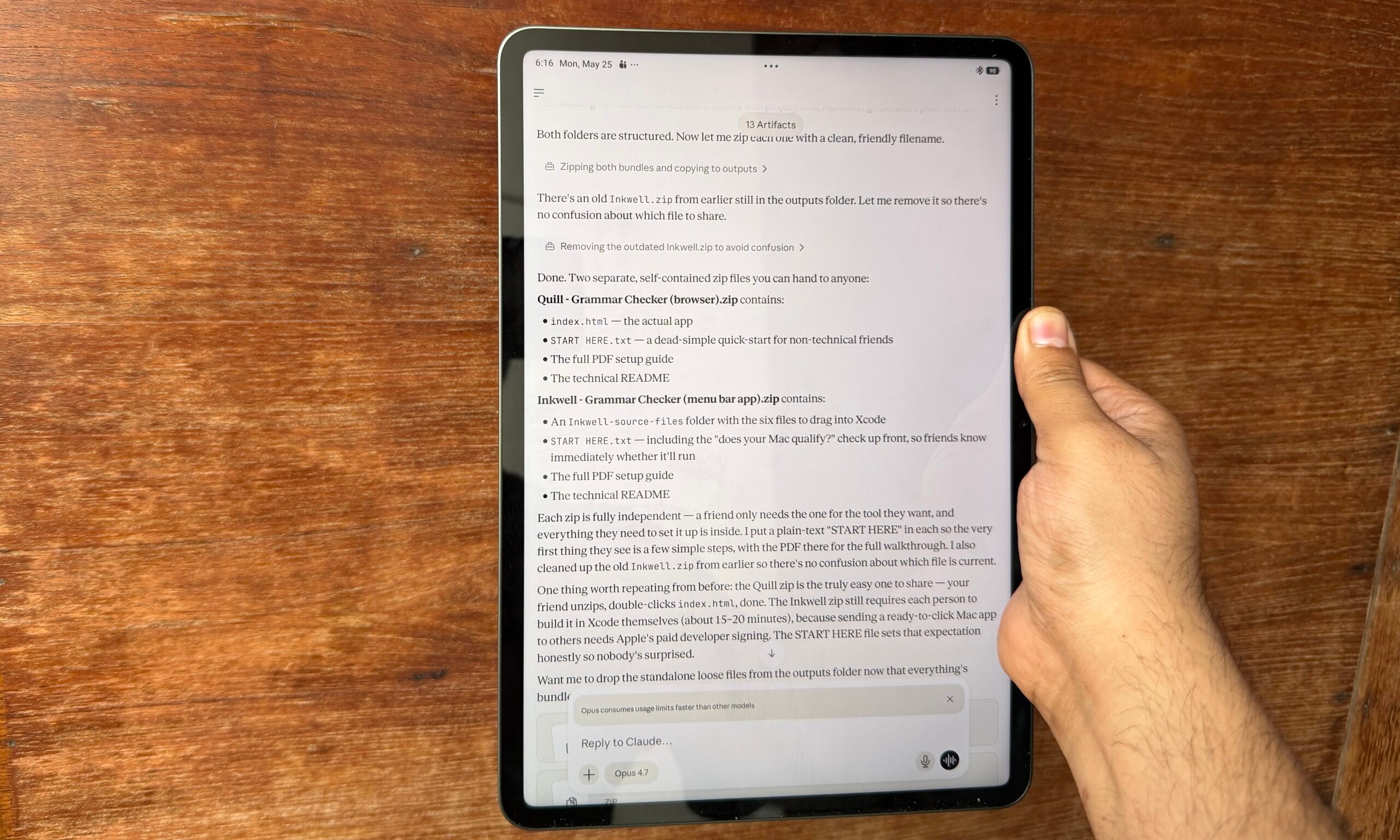
Running Claude on Android.

Whenever a new AI model arrives, it's easy to get caught up in the bells and whistles. We talk about how much smarter it is, how quickly it answers questions, or how realistic its images have become. But here's the thing: none of that matters much if the AI can't reliably work with the apps and services people use every day.

That's why an upcoming update to the Model Context Protocol (MCP) caught my attention. It isn't a new chatbot or a fancy AI model. In fact, most people will never even know it's happening. But it could quietly make the AI ecosystem a lot healthier. If you've never heard of MCP before, don't worry. Think of it as a shared language that lets AI assistants safely talk to apps like Gmail, Slack, calendars, databases, and countless other services. Instead of every company inventing its own way to make those connections, MCP gives everyone a common rulebook.

Read more