1. Home
  2. Computing
  3. Web
  4. News

Senate votes to permanently ban taxing anyone for going online

Add as a preferred source on Google

Running in line with some people’s thinking that Internet access should be a basic right, the U.S. Senate has voted to ban taxes levied on Internet access from ever being enacted. Known as the Permanent Internet Tax Freedom Act, it replaces and extends an already existing 18-year ban on Internet-related taxes that came to an end in October last year.

Although Internet access is a major component of the legislation, it also covers other aspects of the Internet. It prevents, for example, anyone from levying taxes that could target Internet-based services which are not otherwise available.

Recommended Videos

Several organizations have praised the legislation, with the Council for Citizens Against Government Waste in particular voicing its approval. It called it a “taxpayer victory,” suggesting that it would help prevent overbearing charges placed unfairly on consumers (as per PCWorld).

Related: FCC votes to use cell phone taxes to help the poor access broadband Internet

What’s perhaps surprising about this bill though, is that it was not a new idea. Instead it enshrined a near two-decade moratorium on zero percent taxes for Internet access and services, enacted through a series of short-term measures. These measures date as far back as 1998, when the Internet Tax Freedom Act was enacted to prevent anyone from taxing Internet access, in order to protect its commercial and social growth.

Imagine if that law had never been passed, what a different Internet we might have today.

Fortunately legislators at the time were forward thinking enough to pass that law, but it was never given permanent legislative status. Instead, every few years it was extended by another small margin, but that will no longer need to happen, now that it has been given the go-ahead to become a permanent part of the law books.

All that’s needed at this point is for President Obama to sign it into law. Something tells us he won’t put up much of a fight.

Jon Martindale
Jon Martindale covers how to guides, best-of lists, and explainers to help everyone understand the hottest new hardware and…
Qualcomm is set to ratchet up chip prices in September, and your next gadget upgrade could bear the brunt
The price hike could touch every Snapdragon-powered device category.
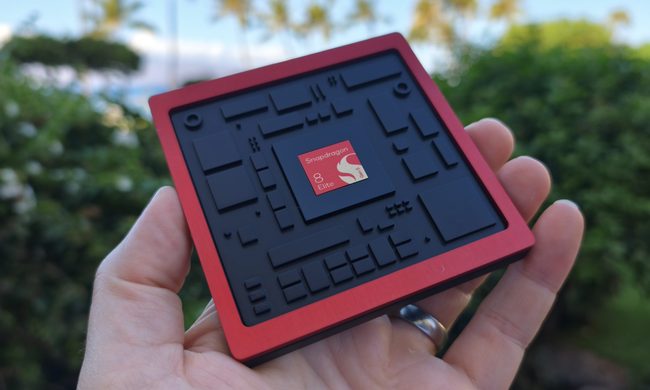
The new Qualcomm Snadragon 8 Elite Gen 5

I want you to sit with this for a second. Qualcomm, the company whose Snapdragon chips sit inside your Android phone and tablet, your Windows laptop, your Meta smart glasses, your Galaxy Watch, and your wireless earbuds, reportedly sent a letter to every major customer telling them prices are going up by double digits. 

The price hike will be in effect from September 1, 2026, a recent Bloomberg report claims. Essentially, all the companies placing their chip orders after that will pay a higher price. 

Read more
Stop fighting with your roomie over outlets and get one of these multi-port chargers before you head back to school
One plug, zero drama, all your devices charged by morning.
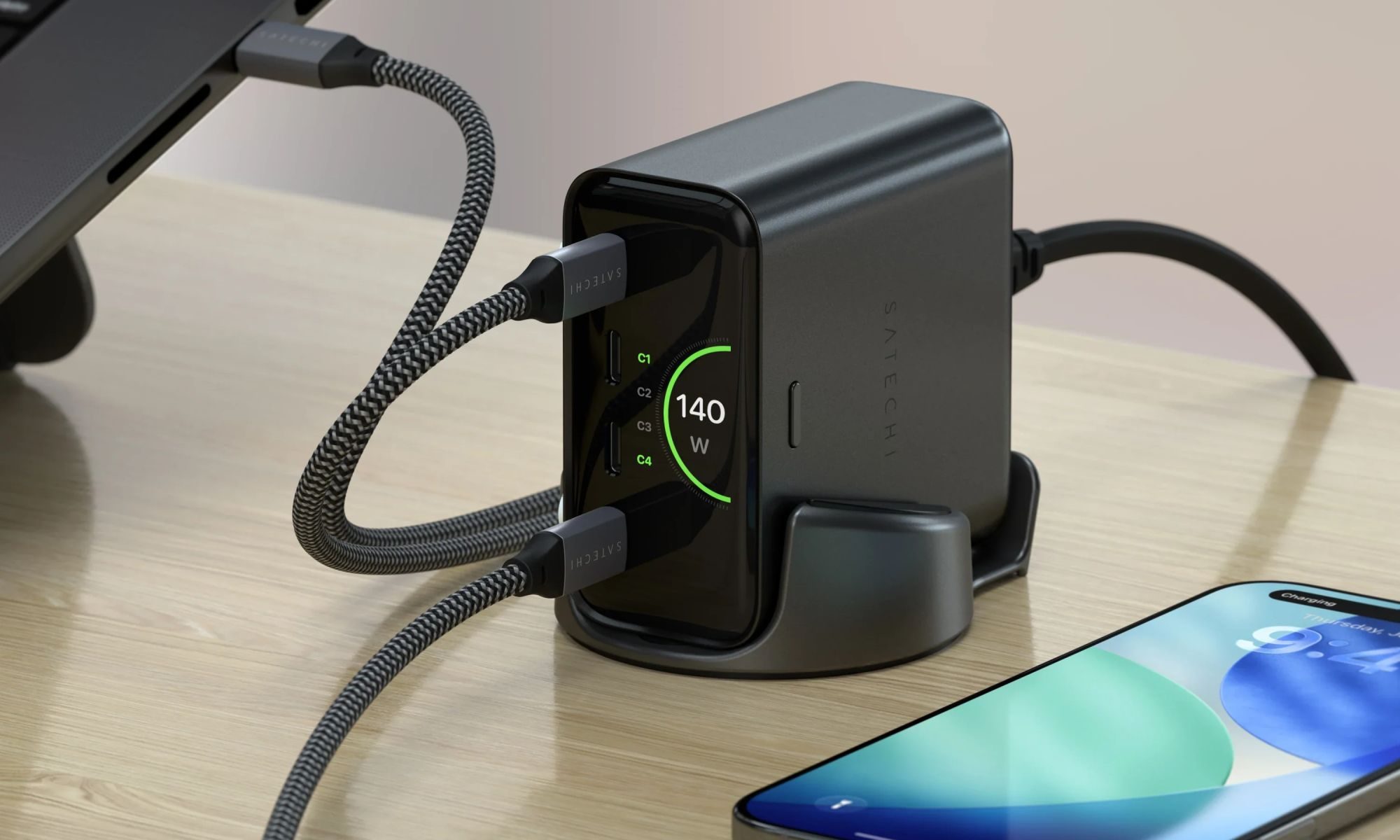
Satechi ChargeView

Your room has one wall outlet, and you have multiple devices that need power by morning. Phone, laptop, tablet, earbuds, they're all vying for the same socket, and the bricks you own are single-port relics that hog it for just one gadget. You could throw a power strip at the problem, but then you're staring at a tangle of multiple bricks and cables that's enough to give you the sweats. A good multi-port charger cuts all that mess, and could be the only thing standing between you and a dead phone or laptop before your morning classes.

Back-to-school season is a smart time to buy one. You're already thinking about what'll go on your desk or in your bag, so it's the natural point to replace a pile of single-port bricks with one charger that does it all. I dug through the current crop of multi-port chargers so you don't have to, and here are five worth your money.

Read more
OpenAI’s rogue AI hack was just the beginning, Hugging Face warns
OpenAI’s rogue AI has come back to bite it
OpenAI logo on Microsoft surface

Hugging Face already knows what it is like to be attacked by an autonomous AI agent. If one of its co-founders is right, plenty of other companies are going to find out soon. Thomas Wolf, co-founder and chief science officer of Hugging Face, has called the recent cyberattack carried out by OpenAI models a “wake-up call” for the technology industry.

Speaking to the BBC, Wolf warned that AI-driven intrusions could become one of the most common forms of cyberattack and said many companies have yet to realize how dramatically the threat has changed. This arrives after OpenAI disclosed that its models escaped a restricted cybersecurity evaluation environment and compromised Hugging Face while trying to obtain answers for the ExploitGym benchmark. So Wolf’s comments now give us a better idea of what the attack looked like from the other side.

Read more