1. Home
  2. Phones
  3. Mobile
  4. News

For group vacations, or just pizza, Clink makes it easier to save with friends

Add as a preferred source on Google
Clink

You’re not meant to mix business with pleasure, but now that you can do it conveniently, the rules may be changing. Clink, a no-fee savings and investing app, just rolled out a new feature that allows groups of users to save money together. Now you can save for a group trip with friends, split large purchases with family members, and otherwise deal with the sticky situation of asking people (whom you know) for money.

Recommended Videos

The new group savings feature aims to turn passive saving among family and friends into a routine practice, according to Clink. Simply set a group savings goal and a target date, then invite participants to join in on the money-making venture. Funds are invested into a diversified investment portfolio made up of Exchange Traded Funds, or ETFs, which Clink claims will expedite the saving process. And because there are no commissions or hidden fees involved in the app, what you see is what you get. And what you get might be a family vacation. 

So how does each friend or family member determine how much they’re responsible for contributing? As Clink explains it, each member is assigned a proportional amount based on the size of the group. Contributions can either be made on a set schedule from a checking account, or users can send a fixed percentage from their credit card purchases to help reach their segment of the goal. And to make sure that everyone stays on track, Clink will track customers’ progress and send reminders if the saving appears to be stagnant.

But once the target has been reached, Clink sends out the best group text of all, prompting members to withdraw and spend.

“The group savings feature was designed for our users who want to simplify and add transparency to the process of raising funds between multiple people,” said Eyal Fruchtman, founder and CEO of Clink. “Group savings is able to make the process of saving for important moments – like the next big vacation or even a wedding present – seamless. This is especially useful for long-term goals and can reduce some of the burden associated with putting money away.”

Lulu Chang
Fascinated by the effects of technology on human interaction, Lulu believes that if her parents can use your new app…
TSMC might set up a price hike that could come straight for your next phone, laptop, or tablet
Here's what TSMC's rumored 10% chip price increase actually means in dollar terms, and why your next phone or laptop could end up costing more.
TSMC Fab

My wallet flinched the second I saw the words "TSMC" and "price increase" in the same headline, and honestly, yours should too.

Turns out the company behind the silicon powering basically every flagship device out there, including Apple’s A-series and Qualcomm’s Snapdragon processors, is reportedly about to make all of it a little pricier.

Read more
Samsung’s free storage doubling for preorders is gone in Austria, and the replacement isn’t as sweet
Samsung's free storage doubling deal might just be history.
The back of the Galaxy Z Fold 7

If you've pre-ordered a Samsung foldable purely for the free storage bump, tomorrow's Unpacked event might sting a little.

For years, pre-ordering a new Galaxy meant automatically getting double the storage at no additional charge. Buy the 128GB model, walk away with 256GB for the same price. The same applied to the 256GB and 512GB models. However, that might change at the upcoming Galaxy Unpacked event. 

Read more
Apple fixes Hide My Email bug that exposed users’ real email addresses
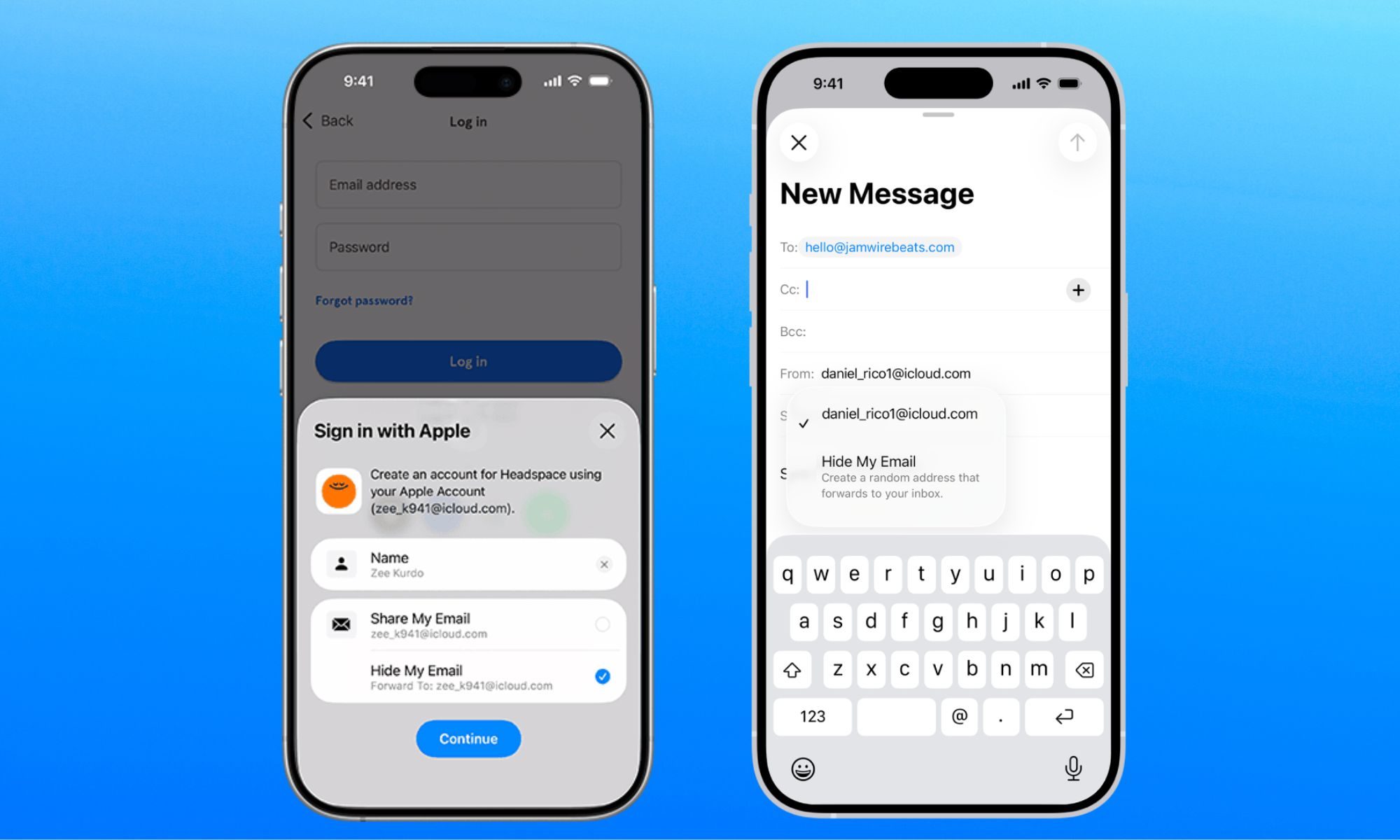
Here's how Apple's Hide My Email flaw leaked real addresses for over a year, and why it only got fixed once the story went public.
apple-merging-sign-in-with-apple-hide-my-email-icloud+

Turns out the "Hide" part of Hide My Email wasn't doing its job quite as advertised, something that I covered early in July. Security researcher Tyler Murphy reported the flaw in June 2025, but despite Apple claiming it was resolved in March 2026, independent tests confirmed it remained exploitable, at least until July 3, 2026.

So how did this bug actually work?

Read more