1. Home
  2. Computing
  3. Web
  4. News

No you’re not paranoid for covering your webcam, says FBI Director Comey

Add as a preferred source on Google

Speaking at a conference this week, FBI Director James Comey offered up a little security tip: cover your webcam. Don’t laugh, but Comey said that nearly every computer in every government building has a webcam cover in order to prevent “unauthorized” people from spying on federal employees.

“There’s some sensible things you should be doing, and that’s one of them. You go into any government office and we all have the little camera things that sit on top of the screen. They all have a little lid that closes down on them. You do that so that people who don’t have authority don’t look at you. I think that’s a good thing,” Comey said, reports 9to5 Mac.

Recommended Videos

As odd as it sounds, the FBI director might be right. He’s certainly not the only high-profile security-minded individual to come out in support of covering your webcam in recent months. Mark Zuckerberg, the founder and CEO of Facebook, also covers his webcam – as we discovered earlier this year in this photo.

Internet sleuths magnified the photo and it appears that Zuckerberg’s webcam is covered by a little piece of tape. Does it work? Well, anything obstructing the view of your webcam is certain to keep it from seeing you, but is it a worthwhile security measure?

Actually, yes. James Comey isn’t exaggerating in saying that your webcam could be used to spy on you without your knowledge or consent. In a study published back in 2013, security researchers at Johns Hopkins discovered a way to remotely disable the indicator lights MacBooks manufactured before 2008. Further, the researchers were able to use malware to hijack the webcam’s video and audio feeds.

The FBI has itself tried to use similar methods to gather evidence in at least one case. As Slate points out, a federal judge once denied the FBI’s request to conduct remote surveillance on a suspect by hijacking his webcam remotely.

It’s a real concern, unfortunately, and a cottage industry has sprung up to provide security-minded individuals with secure options to cover their webcams. But if tape’s good enough for Mark Zuckerberg, it’s probably good enough for most of us.

Jaina Grey
Former Digital Trends Contributor
Jaina Grey is a Seattle-based journalist with over a decade of experience covering technology, coffee, gaming, and AI. Her…
How to set up selfie video sign-in for your Google account
Your face can now serve as a way to get back into your Google account. Here's how to set it up.
Google account selfie sign in tutorial featured

Losing access to a Google account is rarely a quick fix, but Google has been actively working to make things easier. Last year, the company introduced a feature called Recovery Contacts that lets you designate a trusted friend or family member to verify your identity if you ever get locked out. Now, Google has introduced a new option, one that uses your face to get you back in instead of a phone call to a friend.

Like Recovery Contacts, the new selfie video authentication feature requires some setup before you can use your face to sign into your Google account. This involves recording the reference video that Google will use to verify your identity whenever you attempt to log in this way. Here's how to set up selfie video sign-in for your Google account.

Read more
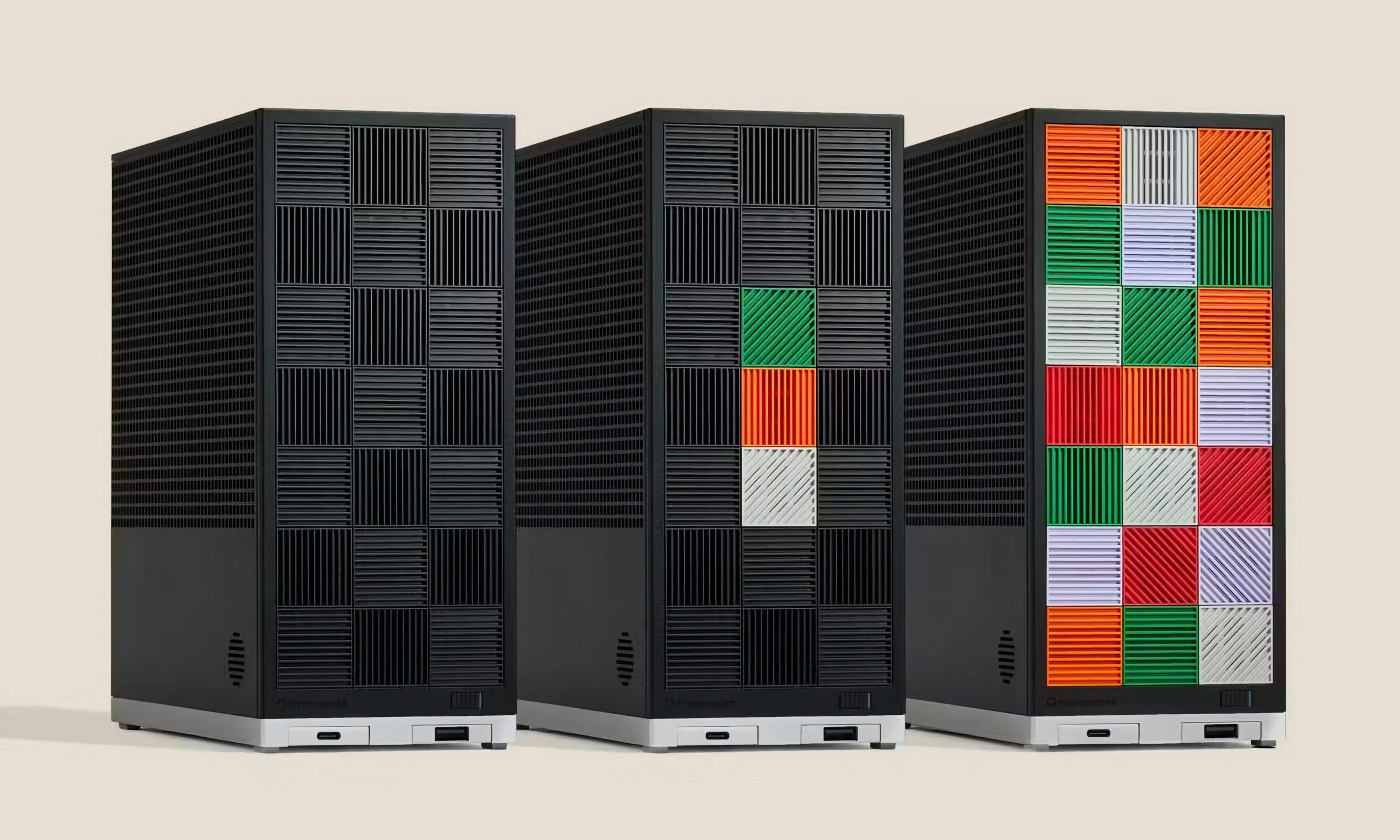
Framework Desktop packs Ryzen AI Max, up to 192GB of RAM, and local AI into a mini PC
192GB of RAM in a desktop this small? Framework says yes.
Framework Desktop feature

Framework has built a reputation for shipping things other PC makers won't even attempt, and its latest teaser keeps that streak alive. At AMD's Advancing AI event, the company previewed a new version of its Framework Desktop, and this one is clearly built with one goal in mind: running large AI models locally on your computer. If you have been eyeing a way to run local AI, this could be the machine to watch.

So what's actually new here?

Read more
AI is becoming the shoulder we cry on, and that worries me
Chatbots are learning to generate comfort now
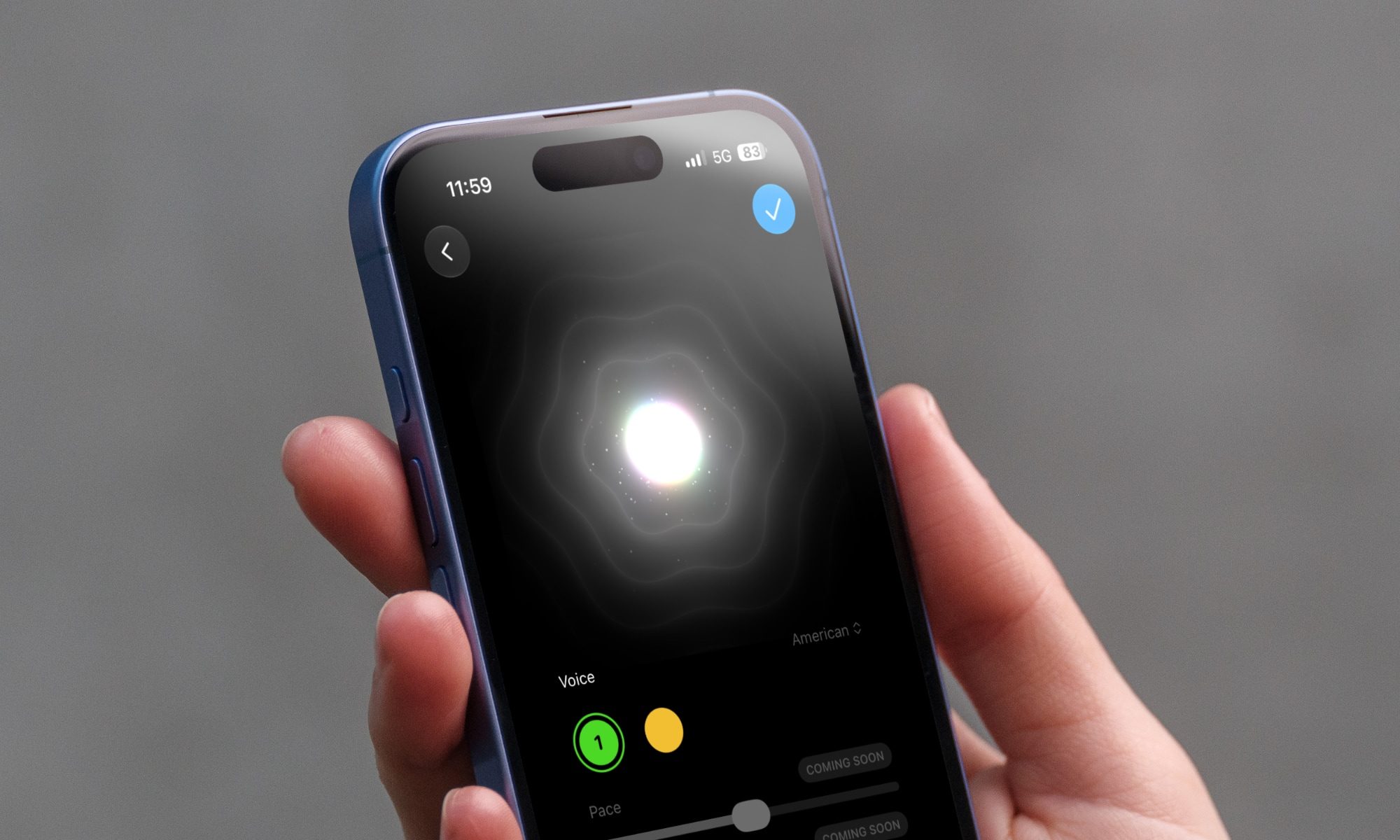
Siri AI voice change

I expected artificial intelligence to be faster in performing calculations or data analysis than humans. But emotional support is one of the last things I could imagine it being better at. New research led by the University of Manchester, alongside Durham University, found that leading AI chatbots could match or sometimes outperform humans when responding to everyday emotional problems. The researchers conducted five studies involving 1,233 participants and tested responses from ChatGPT-4o, Claude 3.5 Sonnet, and Gemini 1.5 Pro.

The researchers conducted five studies involving 1,233 participants and tested responses from ChatGPT-4o, Claude 3.5 Sonnet, and Gemini 1.5 Pro. Participants evaluated messages responding to situations such as being passed over for a promotion or returning to an untidy shared home. They were initially kept unaware of whether each response came from a person or an AI system.

Read more