  1. Home
  2. Computing
  3. Mobile
  4. News

HP's new EliteBook models will protect against threats no other defense can handle

Add as a preferred source on Google

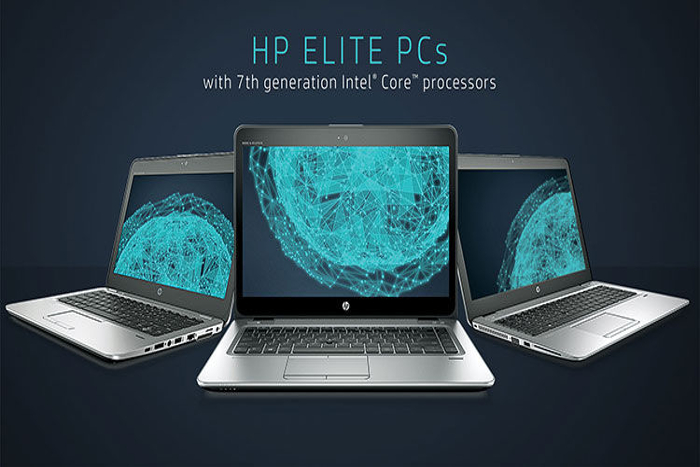
Alex Cho, vice president and general manager of HP’s Commercial PC division, talked in a recent blog about the latest security innovations in its “Elite” notebooks for the commercial sector. These devices promise to provide a deep level of security to not only protect the hardware, but the end-user’s identity and data. That line of defense starts on the BIOS level thanks to HP’s Sure Start technology.

The third generation of HP Sure Start will protect the data that controls the BIOS configuration and policy. If Sure Start detects that something has tampered with the BIOS, it will restore it to its original state along with all custom settings and policies provided by IT. This adds to the heavy security measures Windows 10 already provides for the enterprise sector, Cho wrote.

Recommended Videos

This tech is now in its third generation, protecting Elite notebooks even before the operating system loads. The BIOS manages the hardware and software environment of the notebook so that the operating system and its installed software runs optimally. This is an attractive attack vector for hackers who want to infiltrate a desktop or notebook on the lowest level possible.

“HP Sure Start Gen3 will help prevent such attacks by automatically detecting tampering attempts with the BIOS (both in pre-boot and run-time), notifying the user of a problem and restoring the BIOS to its original pristine condition from a copy stored on a dedicated computer chip. In that sense, it’s self-healing,” Cho said.

The third generation of the HP Sure Start feature will be made available on the HP EliteBook 800 G4 family of laptops when they hit the market in the near future.

Cho also said that HP and Intel teamed up to develop HP Multi-Factor Authenticate, which will rely on Intel’s seventh-generation Core processors and Intel Authenticate technology. This platform will make hacking into Elite notebooks difficult given that it relies on a combination of credentials, such as biometrics, smartcards, and PIN numbers.

HP’s fourth-generation (G4) EliteBook 800 family of  laptops are currently listed as “coming soon.”

Kevin Parrish
Kevin started taking PCs apart in the 90s when Quake was on the way and his PC lacked the required components. Since then…
MediaTek’s new Dimensity 9600 Pro joins Apple and Samsung in the 2nm club, with 61% lower power draw
MediaTek's newest chip bets its edge on a 61% power cut and serious on-device AI muscle.
Electronics, Hardware, Computer Hardware

MediaTek just joined an exclusive club. The company's new Dimensity 9600 Pro becomes the latest flagship chip based on the 2nm process node. It's the third chip to enter that territory after Samsung's Exynos 2600 (2nm) and Apple's A20 Pro (2nm).

It's built specifically to handle the kind of always-on, multi-step AI tasks flagship phones are increasingly expected to run entirely on the device, without leaning on the cloud.

Read more
OpenRGB 1.0 is finally here, and it wants to end your RGB software headaches
No more juggling five different apps just to make your keyboard glow the right color.
A PC featuring Lian Li's wireless RGB ecosystem showcased at Computex 2024.

Anyone who has dealt with gaming peripherals knows the RGB software struggle is real. Every brand wants you to install its own app, and most of these run quietly in the background, eating up resources just to keep your lights synced. OpenRGB has been trying to fix this mess for years, and the project just hit a big milestone with the release of version 1.0.

What's new in OpenRGB 1.0?

Read more
Apple’s new child safety tools are now available with better controls for screen time, web access, and harmful content
Parents can now start child accounts with a smaller set of approved apps and add more access later
Apple child safety features revealed at WWDC 2026

Apple first previewed a new set of child safety features at WWDC in June, and parents can now start using them with iOS 27, iPadOS 27, and macOS 27. The update gives families more control over which apps children can access, what websites they can visit, who they can communicate with, and how much time they spend in certain app categories.

Apple is also changing Screen Time to make those controls easier to manage. Parents get a clearer view of device usage, quicker access to restrictions, and age-based guidance for setting limits across categories such as Games, Social Media, and Entertainment.

Read more