1. Home
  2. Computing
  3. Legacy Archives

Lexar Recalls 66,000 USB JumpDrives

Add as a preferred source on Google
Lexar Recalls 66,000 USB JumpDrives
Image used with permission by copyright holder

Peripheral and storage device maker Lexar, in conjunction with the U.S. Consumer Product and Safety Commission, has issued a voluntary recall of some 66,000 Lexar FireFly and 1 GB Secure II USB flash drives because the units could overheat and present a risk of burn, fire, or injury.

The FireFly drives were sold in red, green, blue, and black housings in capacities ranging from 256 MB to 2 GB; the 1 GB Secure II drive shipped in a silver casing. The FireFly drives were sold via numerous consumer electronics and retail outlets (as well as online vendors) during April and May 2006 at prices ranging from $30 to $110; the recalled 1 GB Secure II drives were sold exclusive at Fry’s Electronics during May 2006.

Recommended Videos

Customers should stop using the recalled drives immediately and contact Lexar via their Web site or at 800/248-2798 to receive a free replacement. Recalled part numbers are as follows:

JumpDrive FireFly

Capacity Part Number
256 MB (red) JDFF256-431RU
JDFF256-264
JDFF256-445RU
512 MB (lime green) JDFF512-431EM
1 GB (blue) JDFF1GB-431TO
2 GB (black) JDFF2GB-431BK

JumpDrive Secure II 1 GB

Part Number
JDSE1GB-00-500 Rev H and 3052-1GBA-2006
3052-1GBA-2106
3052-1GBA-1906
3052-1GBA-1806
Geoff Duncan
Former Contributor
Geoff Duncan writes, programs, edits, plays music, and delights in making software misbehave. He's probably the only member…
Deepfake bosses are crashing video calls, and researchers are trying to expose them
Seeing your boss on video no longer proves they are real
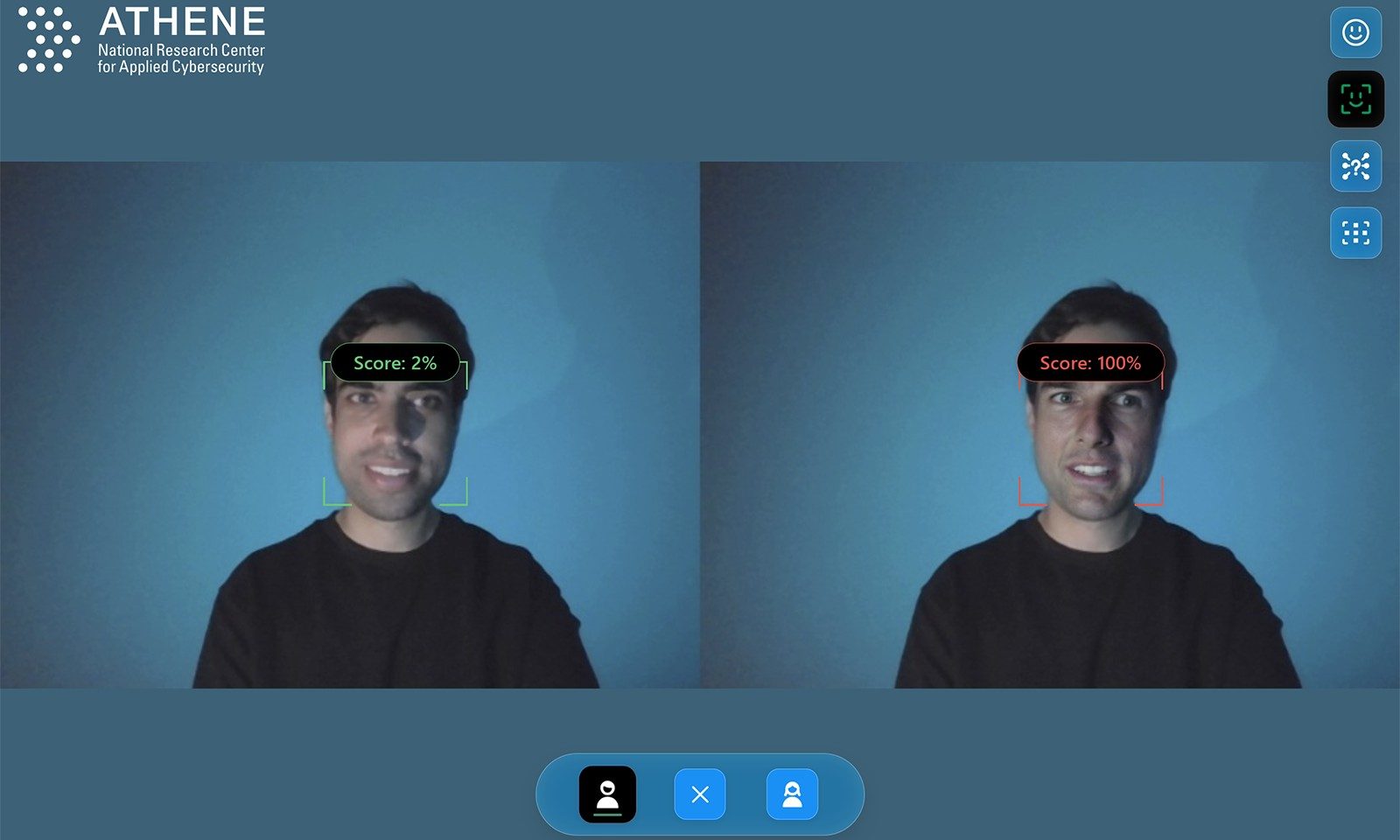
Researchers at Fraunhofer SIT are fighting against deepfake meeting video calls

Entering into a meeting with your boss and several familiar coworkers inside a video conference is the next area vulnerable to cybercrimes, and it's all because of deepfake technology. Researchers at the Fraunhofer Institute for Secure Information Technology SIT are working on a real-time warning system designed to identify attempted fraud during corporate video conferences.

The report states that criminals are increasingly targeting video meetings for identity theft and financial scams, taking advantage of the trust people place in familiar faces and voices. The intention is to flag suspicious activity while the meeting is still taking place. This gives an employee a chance to stop before following an expensive instruction from an AI-generated executive.

Read more
Apple will finally stop making iPhone-to-Windows copy-paste such a chore
Your iPhone may finally copy and paste with a Windows PC like it should
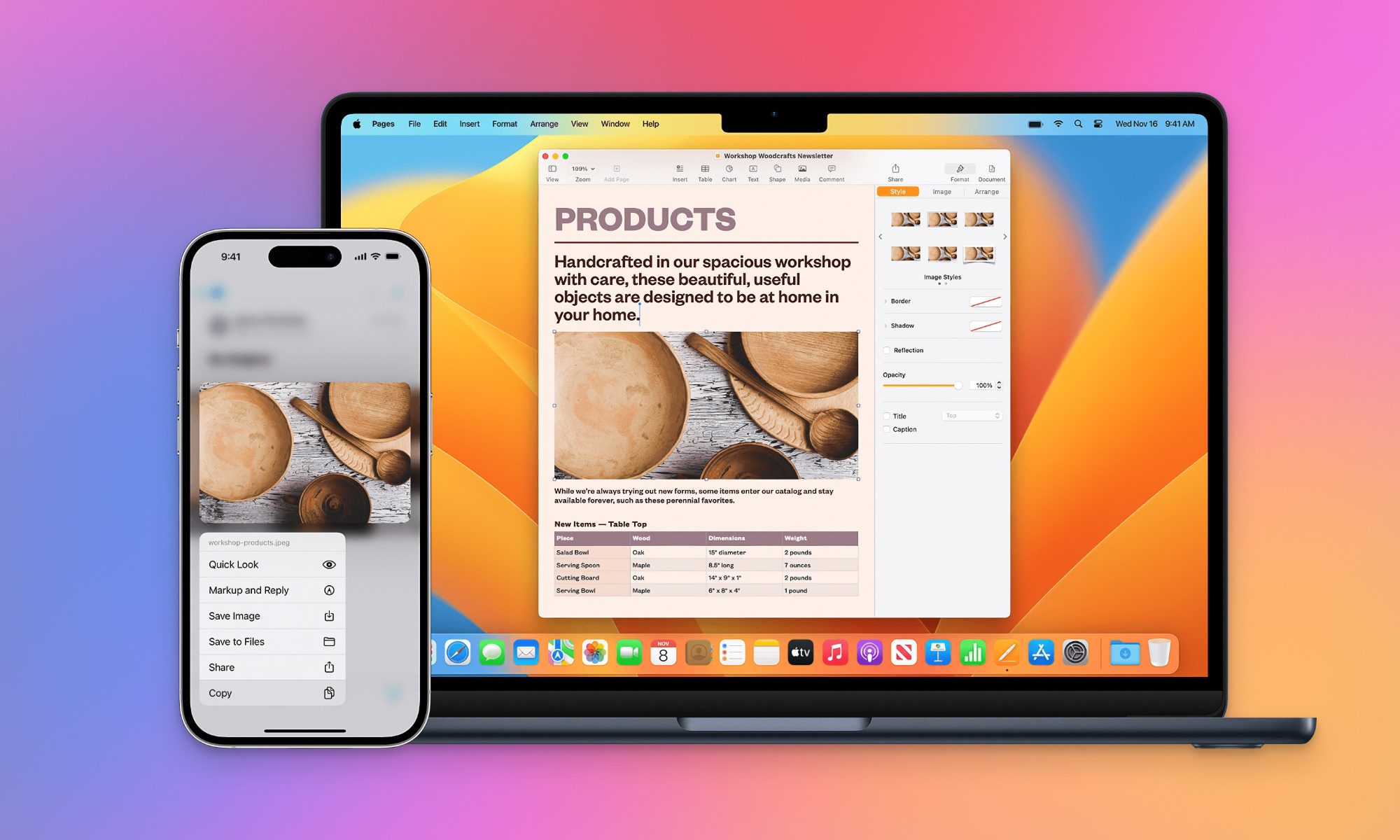
Apple Universal Clipboard feature

Copying something on an iPhone and pasting it onto a Windows PC should be one of the least remarkable features imaginable. While this simple process seems effortless between an iPhone and Mac, Windows users are still left waiting.

Now, Microsoft is formally asking Apple to provide interoperable clipboard access through the company’s European Union interoperability process. The request, submitted on March 25, argues that iOS restrictions prevent third-party platforms from creating an experience comparable to Apple’s Universal Clipboard. Apple has now reached Phase III and committed to developing a solution.

Read more
Chrome wants more extension reviews, but good ratings won’t keep malware out
Google is testing built-in extension review prompts, but good ratings can still hide malware
malicious-google-chrome-extensions-on-web-store

Google is preparing to add extension review links directly inside Chrome, putting feedback closer to the menus people already use to manage their add-ons.

A Chromium change, first spotted by Windows Report, points to review options in the Extensions menu, the chrome://extensions management page, and extension context menus. Only eligible Chrome Web Store extensions in good standing would qualify, and the feature is still under development.

Read more