The year was 1998. Bill Clinton was president, “Gettin’ Jiggy Wit It” was a hot new beat, and Microsoft – or, should I say, Micro$oft – was embroiled in an anti-trust battle. Though the company would eventually win on appeal, the lawsuit manifest what many people already felt. Microsoft was a bully, ready to use any means necessary to squash even the smallest challenger.
Fast forward to 2018 and the script has flipped. While Google and Facebook wallow through scandals, Microsoft has kept itself wide of trouble. The company is a champion of open-source software, and a defender of customer data. It’s a dramatic reversal of fortune, and it’s one Microsoft has worked hard to deserve.
Open-source, open arms
Microsoft has long approached developers with open arms. The dominance of Windows was built on developers, who designed a wide variety of apps for the operating system and, in doing so, cemented it as the go-to OS everyone wanted to use.
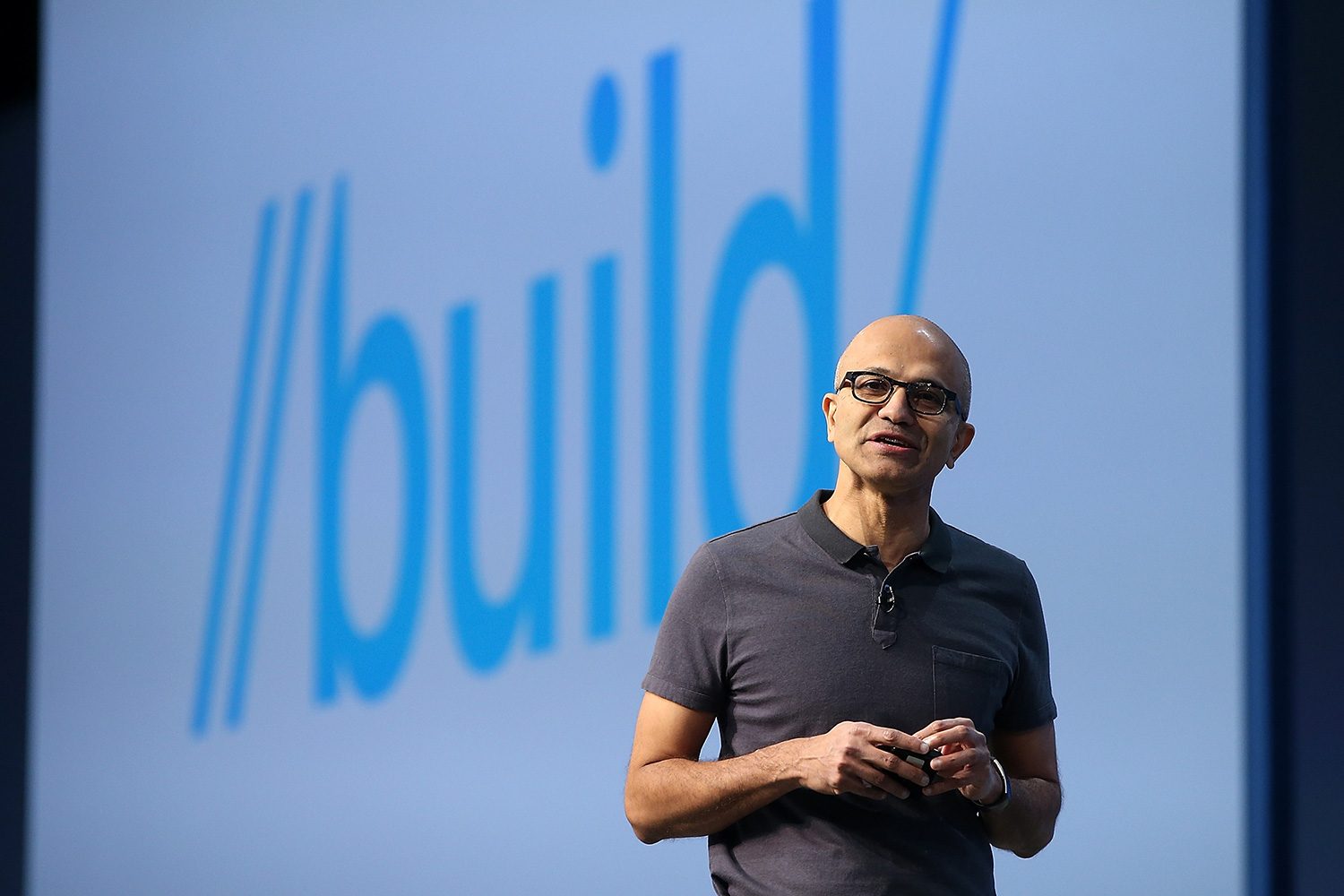
In recent years, Microsoft has doubled-down on open source projects. Build 2018 saw the launch of an open-source Azure IoT Edge platform and a partnership with Github that brings multiple Azure features to that popular development platform. Those announcements came on the heels of Build 2017, where the company brought Linux to the Windows Store, and Build 2016, which announced support for Linux’s Bash command line in Windows.
The path forward is a clear, eight-lane highway, stretching to the horizon without interruption.
None of that means much if you’re not a developer. But if you are, it means Microsoft’s platforms and services are easy to use and understand, you’re given a lot of insight into how they work, and you have a lot of freedom when deciding the software, programming language, and equipment you prefer. This isn’t a new path, either; at this point, it’s the status quo. Everyone knows the company supports open-source projects and will continue to do so in the future. The path forward is a clear, eight-lane highway, stretching to the horizon without interruption.
This stands in stark contrast to Facebook, which is aggressively backpedaling in wake of Cambridge Analytica and other scandals. The company’s F8 developer conference, a week before Build, was held in an environment of fundamental distrust. A developer had just stolen data from Facebook users, forcing the company to tighten up its policies at breakneck pace. Yet despite that, Facebook had little of importance to say on the topic. Where is the social network going with its policies? How will that impact developers? How will that protect users? No one knows for sure.
That’s why a recent poll found Facebook was the least trusted tech company operating today. Microsoft was third best, meanwhile, sitting just behind Lyft and Tesla.
A refreshing selflessness
Transparency is part of Microsoft’s redemption, but that’s not where the tale ends. The company has also benefited from its extensive charitable work. That continued at Build 2018 with the announcement of a $25 million ‘AI for accessibility’ program that seeks to help people with disabilities.
It’s just the latest in a long line of such programs. Microsoft last year talked up Project Emma, a haptic wristband designed by Microsoft researcher Haiyan Zhang to help Emma Lawton, a 33-year-old with Parkinson’s, overcome its effect on her handwriting. Alphabet, parent company of Google, is Microsoft’s only serious competition in charitable donations.

Aside from the volume of its work, Microsoft’s charity is delivered with a refreshing sense of selflessness. Sure, Google’s Project Loon has brought the internet to places crippled by disaster, and Facebook’s Safety Check makes it possible to connect with friends and loved ones during emergencies, but it’s easy to see what each company gets out of the deal. You’re the product, so anything that makes you more likely to sign up is worthwhile.
Microsoft’s entire strategy is different. You’re not the product. In fact, Microsoft isn’t particularly interested in the average, everyday consumer. The company’s instead targeting corporations, governments, and other large organizations. That makes its charitable projects feel more like, well, charity.
You’re only as good as your last scandal
There’s another important piece of the puzzle, too – perhaps the most important part. It’s not about what Satya Nadella or any other speaker at Build 2018 said. It’s about what they didn’t say.
Microsoft’s entire strategy is different. You’re not the product.
They didn’t apologize.
They didn’t have to, because Microsoft has little to apologize for. The company isn’t perfect, but it hasn’t suffered any major data breaches or privacy scandals in recent years. It offers a wide range of tools that helps you manage your data, has significantly tightened Windows security, and aggressively pursues lawsuits against the United States governments over privacy issues.
It’s a pristine record, at least compared to the company’s peers. That’s something Apple has long understood, but Facebook and Google still don’t grok. You’re only as good as your last scandal. Microsoft has suffered few. Actions, not words, are what ultimately foster trust – and Microsoft’s actions have set it apart.