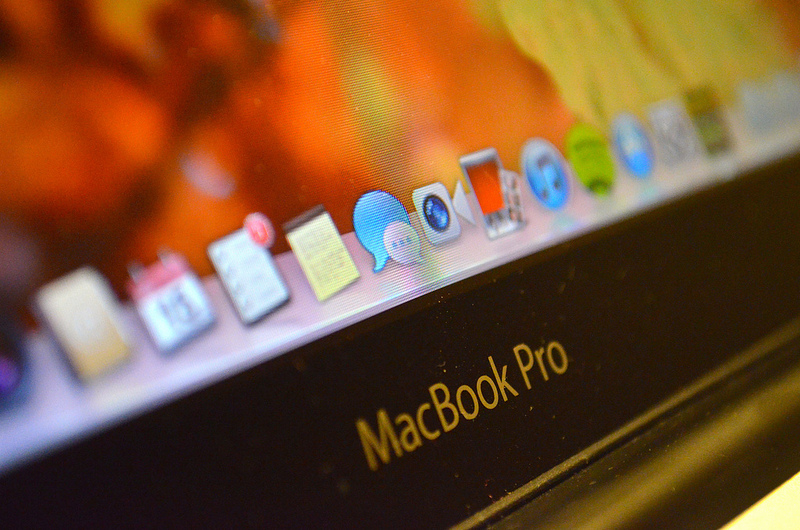
Admit it; many of us get satisfaction by seeing villains get what they deserve, but there are times when the “villains” getting their comeuppance are actually innocent. That’s the case with one British animator, Dom Del Torto, and his MacBook Pro that was stolen from his London flat. The police’s search for fingerprints was unsuccessful and it seemed as if the investigation was going nowhere. Del Torto was understandably upset that his laptop was taken right from his home, so he took it upon his hands to catch the thieves by using Hidden App – a $15 security app that can pinpoint your MacBook’s current location and send you pictures taken by the computer’s webcam so you can see who’s using it.
Del Torto ended up tracing his MacBook, but by the time he found it, one months later, it was no longer in London – it was in Iran. Now, this is where it stops being a tale of a stolen laptop and starts becoming material for Reddit’s /r/justiceporn. The animator somehow found it amusing that his laptop made such a lengthy trip that he made a Tumblr called “Dom’s laptop is in Iran,” and posted pictures of the alleged thieves sent to him by Hidden App.
“It seemed to me that a laptop that went missing from London and turned up in Iran was like a space probe landing on a distant planet and beaming back proof of intelligent life,” he wrote on the Tumblr. He originally made the blog for his friends, but it quickly went viral. The bad news? Unlike the redditor who posted pictures of the actual thieves that stole his iPhone (and then were arrested), Del Torto inadvertently posted pictures of innocent people. How Del Torto knows the new owners of his laptop are innocent wasn’t explained in the post.
Thankfully, Del Torto didn’t post their address or their names (if he managed to get them), and he censored part of their faces. He ended up pulling down all the pictures from his blog after the people in the images reached out to him, and he ultimately issued a public apology, telling them they could keep their laptop to make up for what he did. “The innocent new owners of my laptop have been in touch and are mortified about the story and are keen to return the laptop,” Del Torto wrote. Given the huge error of judgement on my part in sharing the story and failing to respect their privacy I have asked them to keep it by means of an apology.”
[Photo via dansapples/Flickr]
Editors' Recommendations
- This laptop beats the MacBook Air in every way but one
- These 6 tweaks take MacBooks from great to nearly perfect
- You can still buy the M1 MacBook Air, and it’s cheaper than ever
- How to select multiple files on a Mac
- A new wave of powerful laptops rises to challenge the MacBook Pro