1. Home
  2. Computing
  3. News

Digital Trends may earn a commission when you buy through links on our site. Why trust us?

Web browsers are about to face a Y2K-type problem

Add as a preferred source on Google

Google Chrome and Firefox could be facing serious technical problems in the near future that would not be unlike the Y2K problem from the end of the last century.

According to ZDNet, as both browsers prepare to launch the 100th version of their desktop browsers, it could create a situation where most websites fail to load on the new versions. That’s all due to an upcoming Y2K-type coding issue.
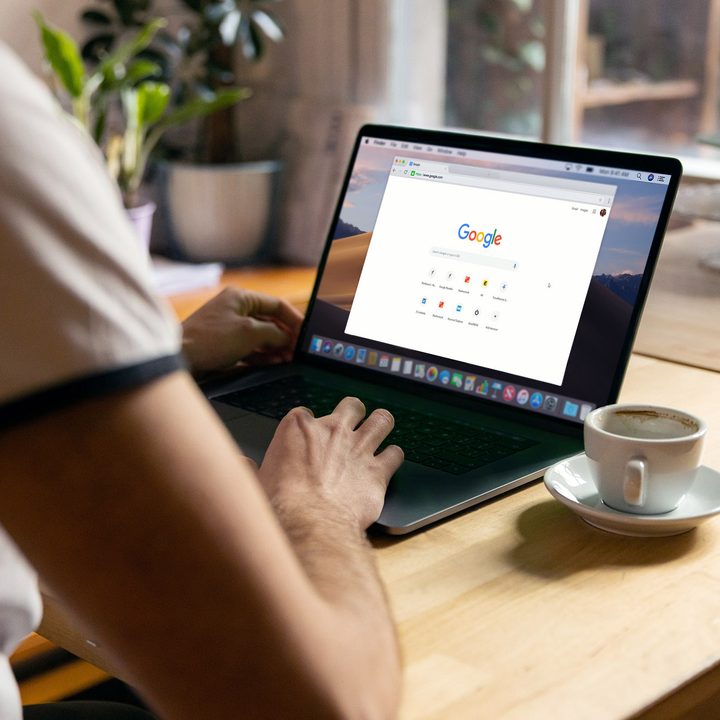
A MacBook with Google Chrome loaded.
Firmbee / Unsplash

For younger readers, Y2K was a software problem in the late 1990s. Most computer programs at the time couldn’t properly read four-digit year dates, and the transition to the year 2000 caused some of these programs to work improperly.

Recommended Videos

This quirk of software development quickly gained traction in conspiracy circles, which proclaimed that the bug would create a global catastrophe. Fortunately, that didn’t happen. While some countries certainly had issues, most began preparing years in advance.

The issue with the 100th version of browsers comes down to something called a “user-agent,” a string of code that tells servers what browser is being used. Most website programs can only read double-digit UAs. Late in the first decade of this century, websites ran into a similar issue when the first double-digit UAs were introduced. That resulted in a lot of sites not loading properly, or at all.

Google and Firefox are working ahead to make sure most sites don’t encounter any issues. However, there are simply too many websites for Google and Firefox to handle the problem on their own.

Google is already offering instructions on how to make your site read three-digit UA strings. If you run a website, you may want to put in the legwork now to ensure your site is compatible with the newest version of Chrome.

Firefox and Chrome are the two most popular desktop browsers, and as of now this issue is limited to them. Other browsers are a long ways off from version 100, so they should run fine for the foreseeable future. That includes DuckDuckGo’s upcoming privacy browser.

It shouldn’t be anything world-ending, but being prepared in advance for issues like this will keep your site up and running while others run into problems.

Caleb Clark
Former Digital Trends Contributor
Caleb Clark is a full-time writer that primarily covers consumer tech and gaming. He also writes frequently on Medium about…
Canva Code 2.0 just made vibe coding way less intimidating for everyone
Canva Code 2.0 feature

Coding used to be reserved for developers who spent years learning complex languages. That has slowly changed with vibe coding, which lets you build apps and websites using simple, plain-language prompts. 

The problem is that most of these tools still feel intimidating for regular folks, as they still need to understand the code to make any meaningful changes. If not, everything you make tends to look the same.

Read more
Windows users can finally pick when updates stop with Microsoft’s latest patch
From pausing updates on your own schedule to rolling back a broken PC in one click, here's everything new in Windows 11's July 2026 update.
Windows 11 Laptop

Patch Tuesday updates are usually a shrug-and-install affair, but Microsoft's July 2026 release actually gives you something to be excited about.

You can grab this update, tagged KB5101650, right now through Settings, or manually via the Microsoft Update Catalog if you'd rather not wait for it to roll out.

Read more
Can AI audiobooks narrate better than humans? This study says many listeners think so
New study finds listeners favor AI narrated audiobooks over traditional human narration in blind testing.
Audiobooks on Spotify on an iPhone.

You might assume most listeners would pick a real human voice over a synthetic one, but a new study says otherwise. Edison Research at SSRS surveyed 1,005 fiction audiobook fans in May 2026 for a study commissioned by AI audio company Spoken. The twist is that listeners rated the AI narration higher, and they did not even know it was AI until after they heard it (via Variety).

Why listeners favored the AI narration

Read more