1. Home
  2. Computing
  3. Legacy Archives

Windows 10 is such a big deal its kernel will leap from 6.4 to 10.0

Add as a preferred source on Google

If skipping 9 when christening the newest Windows OS flavor wasn’t enough to prove Microsoft is unusually bullish about the platform’s evolutionary prospects, the underlying code number should clear up the air once and for all. Redmond sees Windows 10 as the most radical operating system overhaul yet.

Currently, the Win 10 Technical Preview’s kernel is marked with a 6.4 value. Specifically, 6.4.9879, for the latest update seeded to beta testers. But the next pre-release build will go out with a 10.0 designation.

Recommended Videos

As such, the kernel number and official brand are to line up for the first time in two decades. In the early days of the desktop OS, developers identified Windows 3’s code as 3.0. But then an erratic marketing strategy and minor update policy messed the zen factor all up, and we got to the point Windows 7 was actually 6.1 for program compatibility purposes.

Confusion grew, and so did the gap between the two digits, when Microsoft rolled out Windows 8, aka 6.2, and 8.1, otherwise known as 6.3. The balance shall be restored before long though, at least from a symbolic point of view.

How will this leap impact those working on desktop application and web compatibility? In Microsoft’s own words, “if you have code that depends on the version number, we advise that you update to allow for the new value.”

In layman’s terms, you’ll simply need to add exceptions for UA string values of Windows NT code 10.0. I’m not sure that qualifies as layman’s terms, but you get the idea.

Meanwhile, day-to-day end users with little to no knowledge in software creation should just take this as another bold statement of Redmond’s Windows 10 goals. Hopefully, they’ll deliver where it actually matters, and maybe listen to feedback to up the functionality and productivity ante. Everything else is mere advertising hype.

Adrian Diaconescu
Former Digital Trends Contributor
Adrian is a mobile aficionado since the days of the Nokia 3310, and a PC enthusiast since Windows 98. Later, he discovered…
Brave’s new Container feature is a lifesaver for anyone juggling multiple accounts
With this feature, you won't need to open three different browsers
Brave browser 3D logo

Brave has added Containers to its desktop browser, giving users a built-in way to keep different accounts, sessions, and browsing activity separate. The feature is available in Brave 1.92 for Windows, macOS, and Linux, and is rolling out in phases over the next few days.

Containers have been a highly requested feature, especially for users who regularly switch between work, personal, developer, or creator accounts. Once enabled, they let users open tabs in separate spaces where cookies and site storage are not shared outside that container.

Read more
Intel may bring back older desktop CPUs because DDR5 is getting too expensive
Older Intel Core CPUs from 10th to 14th Gen may get a second life
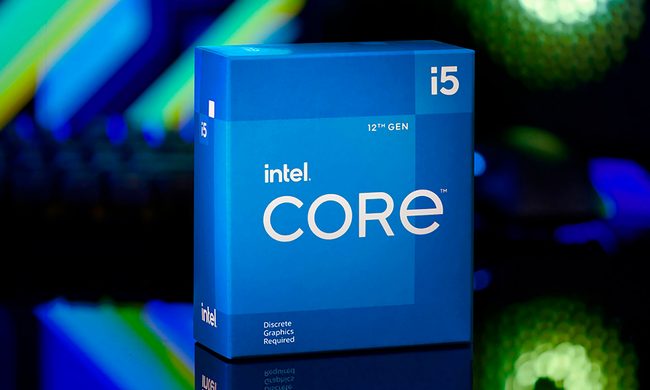
Intel Core i5-12400F box sitting in front of a gaming PC.

Intel may be preparing an unusual response to the ongoing memory crunch. According to Chinese outlet ITHome, citing ChannelGate, the company’s latest production plan includes restarting production of 13th-gen and 14th-gen Core processors.

The move is expected to increase supply across Intel’s 10th, 12th, 13th, and 14th Gen CPU families, especially in mainland China. For DIY PC builders, the timing is important. DDR5 memory prices have climbed sharply, making newer platforms harder to justify for anyone trying to build an affordable gaming PC.

Read more
Amazon wants to design in-house chips for Kindles, Fire TV, and Echo speakers
Apple did it first. Amazon is doing it now, starting with 40 million chips a year and a partner most people have never heard of.
Amazon Kindle Scribe dark mode featured image.

Apple's decision to design its own chips reshaped the consumer electronics industry. Amazon may be about to make the same call, just about two decades later.

Supply chain analyst Ming-Chi Kuo reports that Amazon is preparing to shift away from externally sourced processors for its consumer electronics lineup, marking what he describes as the company's first major processor procurement change in 20 years. The transition is expected to begin in 2027.

Read more