1. Home
  2. Emerging Tech
  3. Outdoors
  4. Photography
  5. News

Look, up in the sky! It’s a kite! It’s a camera! It’s the Fotokite Phi drone!

Add as a preferred source on Google

Cameras drone are everywhere these days but for the majority of everyday users, you can only get so excited about a new model that is slightly smaller, iteratively faster and offers a minutely longer amount of flight time.

As cool as all of that stuff undoubtedly is, it’s less revolutionary than evolutionary.

Recommended Videos

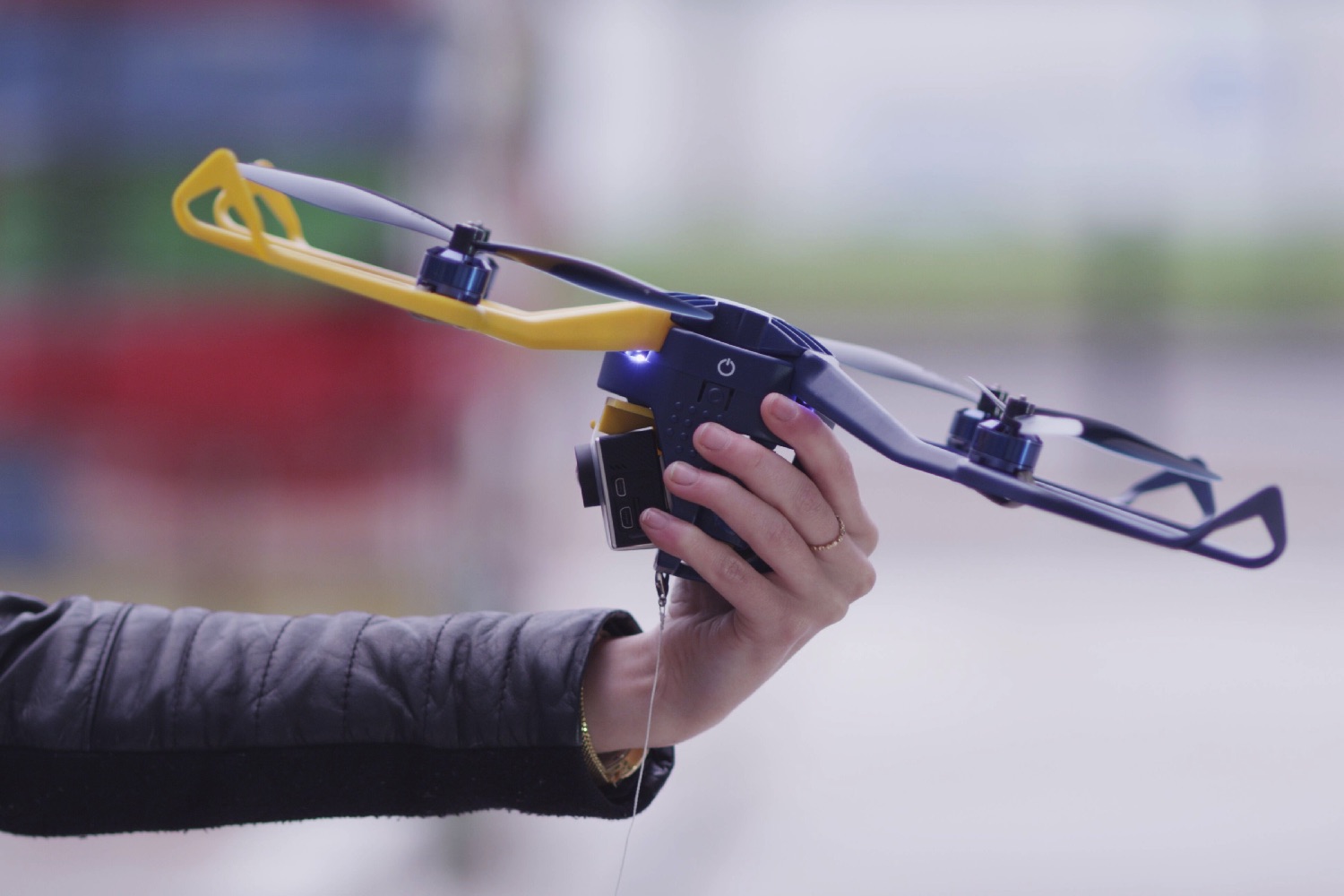
Thank goodness, then, for the Fotokite Phi — a new type of GoPro-compatible camera-carrying drone which goes back to the drawing board and tries something new. Previously the subject of a successful Indiegogo campaign, Phi is officially launching to new customers on Tuesday, carrying a special holiday price of $249.

“What we’re releasing out into the wild is the world’s first tethered consumer drone system,” CEO Chris McCall told Digital Trends. “Not only is it very accessible from a price perspective, but it works unlike any other drone you’ve seen before.”
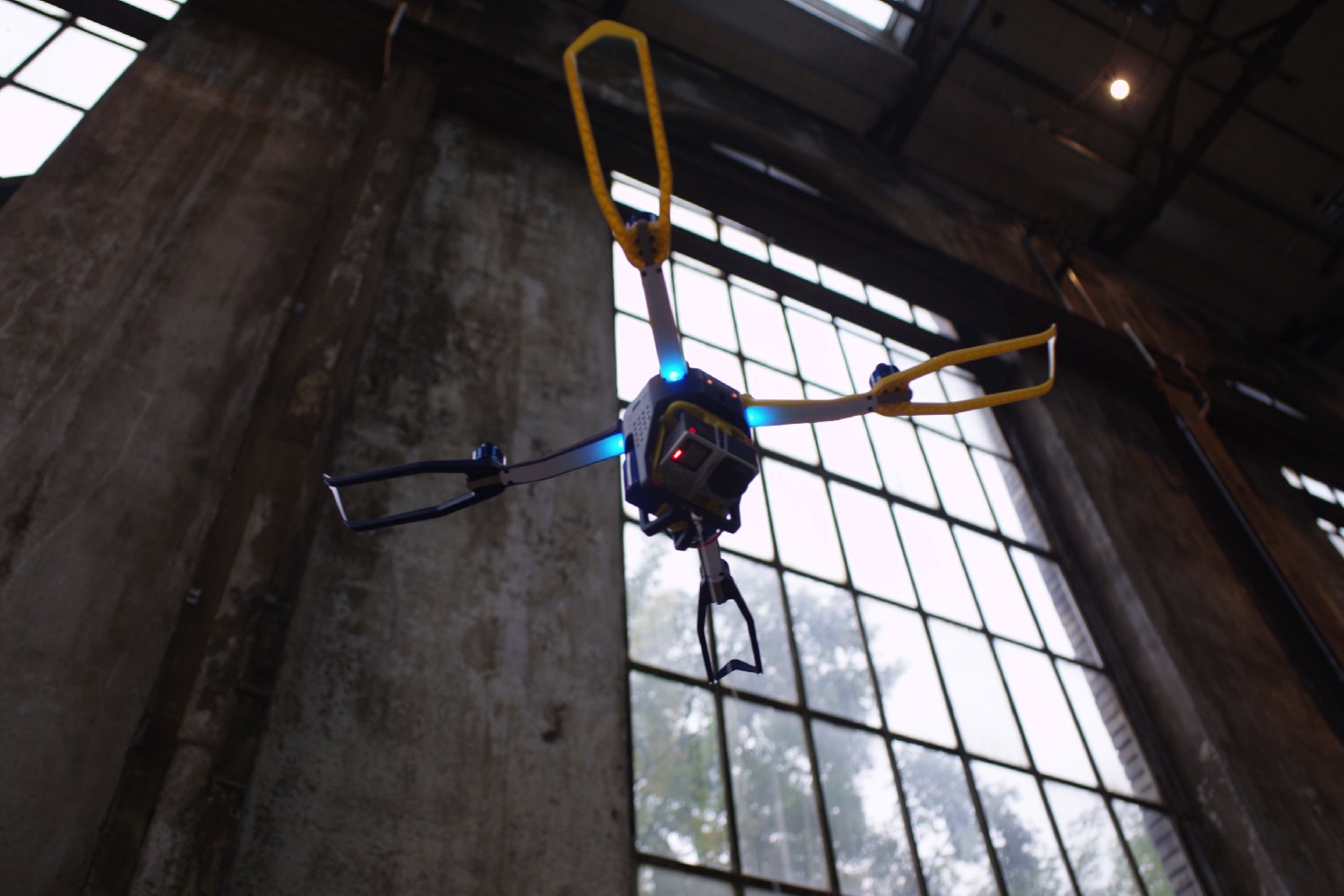
As it happens, “tethered consumer drone” doesn’t truly describe Phi. Instead, this foldable quadcopter is part drone and part kite.

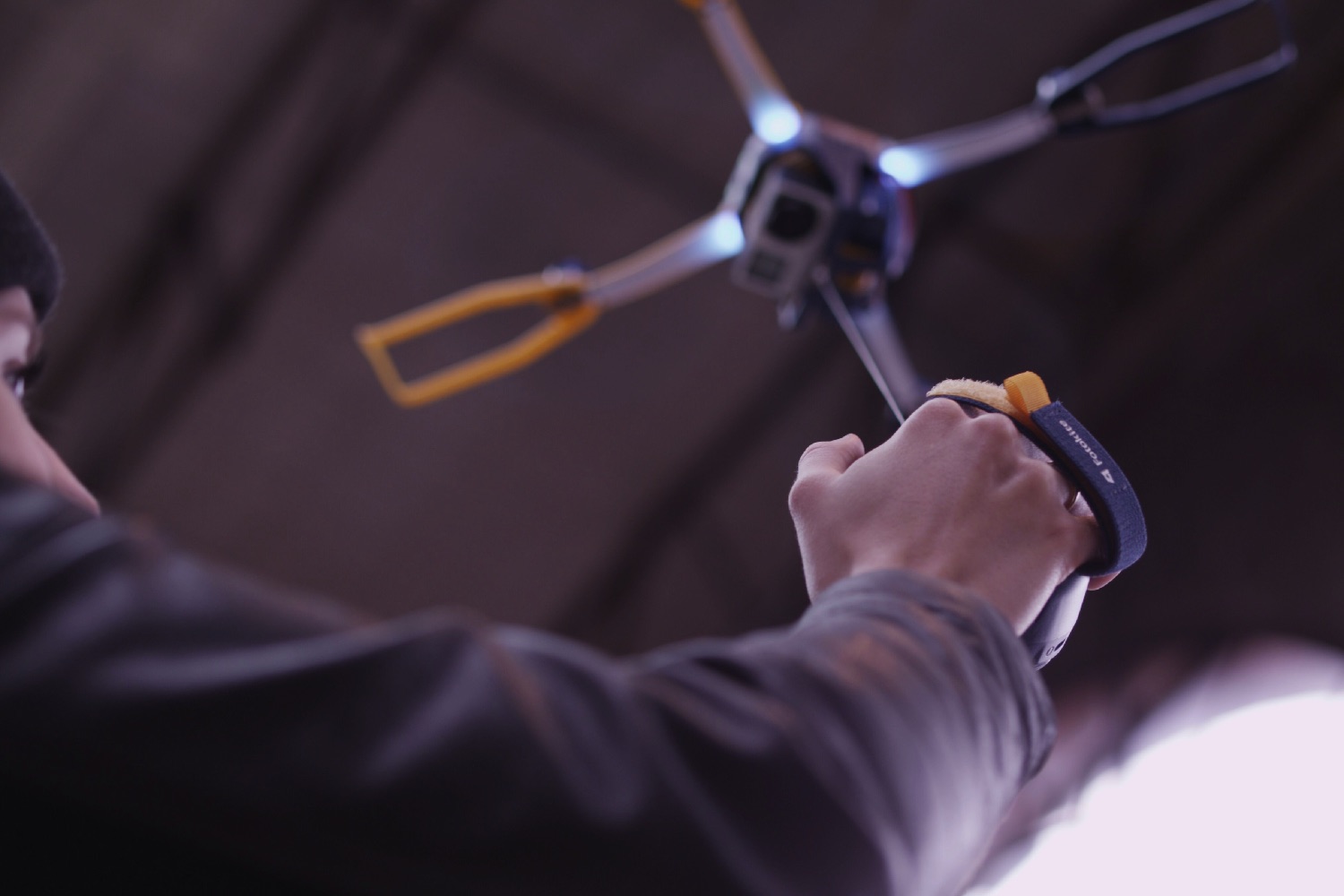
“The system is completely self-flying,” McCall continued. “It’s like a kite which produces its own wind. The interaction between the user and the Fotokite is quite a bit simpler than a traditional drone that a person has to operate and orientate in 3D space. With this solution, you’re physically connected to it which makes the Phi far more intuitive to navigate.”

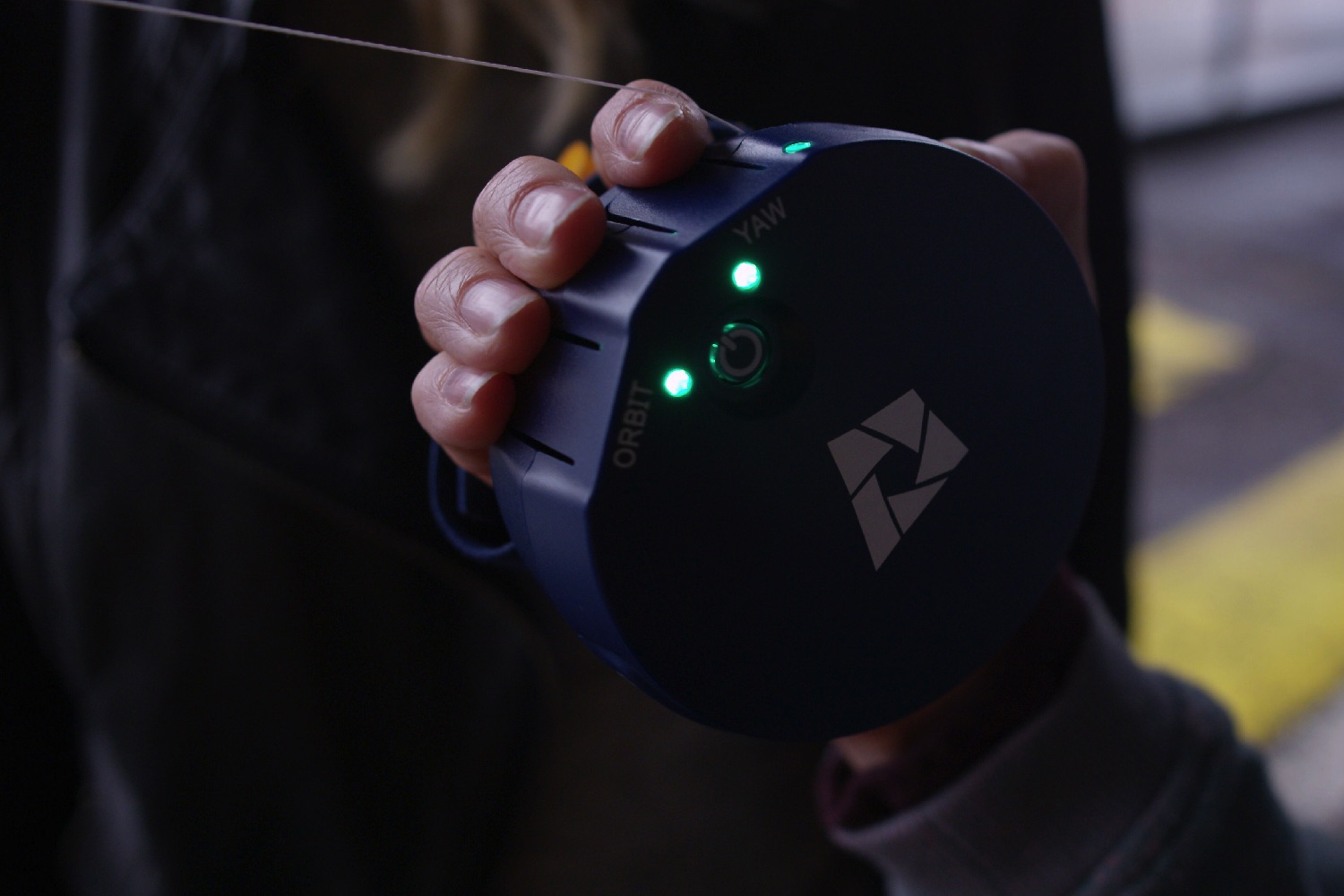
By making a tethered drone that works through gesture controls, a lot of the problems with traditional airborne camera systems (think flyaways, reliability on GPS signals, and difficulty flying indoors) are alleviated. Instead of relying on joystick controls or camera tracking algorithms, Fotokite can be maneuvered using nothing more complex than the force of your wrist.

You can even pass it from one person to the other just as easily as handing a kite to your friend. Should Phi somehow become accidentally untethered, the drone will automatically begin a controlled descent and power off upon landing.

As noted, you will need to add your own GoPro to use this drone as it’s designed, but as ultra-portable drone-based filming solutions go, this certainly looks like it is worth a second take.

Luke Dormehl
I'm a UK-based tech writer covering Cool Tech at Digital Trends. I've also written for Fast Company, Wired, the Guardian…
Anti-surveillance clothing is getting cheaper, but don’t expect an invisibility cloak
Affordable shirts now claim to confuse facial recognition, although their protection depends heavily on the camera and software watching you
Chart, Plot, Adult

Anti-surveillance clothing is starting to look less like an art-school experiment and more like something you could actually wear outside. Shirts designed to confuse facial recognition systems now cost about as much as ordinary streetwear, although buying one won’t make you disappear.

The Guardian reports that designers are using face-like prints, unusual cuts and infrared lights to interfere with computer vision. These techniques target specific weaknesses, so their success depends on what happens to be watching you.

Read more
This spinning drone hides in plain sight using a visual illusion
This drone doesn't turn invisible. It tricks your brain into thinking it has.
Phantom Twist

For decades, engineers have chased the dream of an invisible drone. The usual approaches have involved transparent materials, camouflage coatings, or complex optical systems that bend light around an object. Researchers at Northwestern University decided to take a completely different route. Instead of hiding the drone itself, they chose to fool the human eye.

The result is Phantom Twist, an experimental drone that spins so rapidly it almost disappears into the background. It's not technically invisible, but to anyone watching, it looks more like a faint blur than a flying machine.

Read more
This smart knitted fabric can flip switches, count your steps, and even change shape
Grandma's knitting just entered its Iron Man era
Representative Image

For most of us, knitting brings to mind sweaters, scarves, and perhaps an ambitious grandmother determined to make winter more fashionable. Researchers at Harvard University, however, have a far more futuristic vision. They've transformed ordinary knitted fabric into a programmable material capable of changing shape, acting as an electrical switch, sensing movement, and potentially forming the foundation of tomorrow's wearable technology.

The research, published in Advanced Functional Materials by scientists at the Harvard John A. Paulson School of Engineering and Applied Sciences (SEAS), demonstrates how machine-knitted textiles can "snap" between multiple stable shapes without relying on motors or rigid mechanical parts.

Read more