Earlier this year, Sony gave us what amounted to a sneak peek at its 2020 TV pricing by releasing the numbers for some of its new 4K TVs. Now, we have the official details for Sony’s full lineup of 2020 models — everything from its massive, 85-inch 8K TV to its smallest, 43-inch 4K TV. Here are all of the 2020 prices, along with when you can expect to see these TVs in your local stores and online.
Z8H 8K HDR LED TV

There may not be a whole lot of 8K content right now, but that doesn’t mean an 8K TV can’t give you a better picture than a 4K TV. With Sony’s Picture Processor X1 Ultimate, most content can be upscaled to 8K resolution on the Z8H. Also, 4K and 1080p content benefit from the Z8H’s 8K X-Reality Pro processing, which uses an 8K database.
This 8K beast has full-array LED backlight controlled by Sony’s 8K X-tended Dynamic Range Pro technology. Audio, normally not a standout feature on a TV, benefits from the acoustic multi-audio with vibrating frame tweeter, which deliverr one of the better sound experiences you’re likely to get. Compatibility with Alexa, Apple HomeKit, and Airplay 2, as well as the latest version of Android TV with hands-free Google Assistant, round out its impressive smart TV chops.
- 85-inch: $10,000, available summer 2020
- 75-inch: $7,000, available summer 2020
A8H Bravia OLED 4K HDR TV
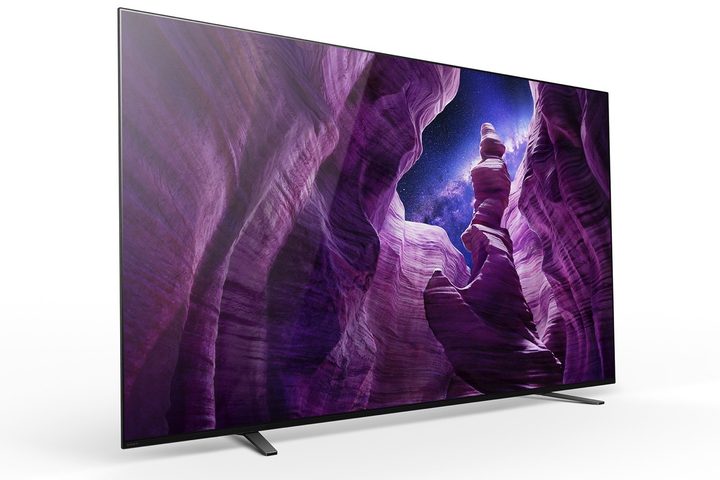
Want the best black levels that Sony has to offer? The A8H is the model you want. It uses LG Display’s superb OLED 4K panel, then ups the ante with Sony’s own Picture Processor X1 Ultimate, which we think represents the best 4K picture quality you can get on any TV, period.
Though it may not pack the insanely high resolution of the Z8H, there’s just about every other feature you could want, including support for both Dolby Vision and HDR 10, as well as a sound system that uses the whole OLED panel as a speaker driver, something that Sony calls Acoustic Surface Audio. There’s even a line-in option so you can use the TV as your A/V receiver’s center channel.
You get the full suite of Sony’s smart TV features including Android TV, Alexa compatibility, Apple HomeKit, AirPlay 2, Chromecast, and Google Assistant.
- 65-inch: $3,100, available for pre-order now
- 55-inch: $2,300, available for pre-order now
X950H 4K HDR LED TV
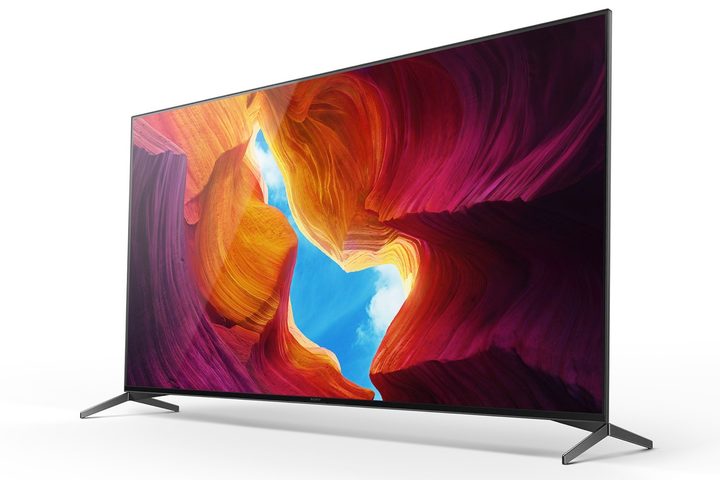
As Sony’s top-performing 4K LED TV, the X950H uses the company’s X1 Ultimate picture processor — the same chip used in its 8K models. X-tended Dynamic Range Pro offers excellent HDR processing. and both Dolby Vision and HDR10 are supported.
The X950H also uses Sony’s acoustic multi-audio design, but on this model, the behind-the-screen tweeters are placed higher to deliver more realistic sound for elements like dialog. Dolby Atmos is on board for a decent simulated surround sound experience.
The smart TV features are Sony’s 2020 standards — Android TV, Google Assistant, Alexa, and both AirPlay 2 and Apple HomeKit — but just like the Z8H, the X950H gets hands-free Google voice commands.
- 85-inch: $4,500, available now
- 75-inch: $3,500, available for pre-order now
- 65-inch: $2,000, available for pre-order now
- 55-inch: $1,400, available for pre-order now
- 49-inch: $1,000, available now
X900H 4K HDR LED TV

The X900H is a full-array LED-backlit 4K TV featuring Sony’s Triluminos Display and X-Tended Dynamic Range technologies for better HDR performance. This helps maximize both HDR10 and Dolby Vision. The Dolby Atmos-capable Acoustic Multi-Audio system hides woofers and tweeters behind the screen, which helps audio and dialog sound more lifelike. As with the other 2020 models, the X900H runs Android TV and has compatibility with Alexa, Apple HomeKit, and Airplay 2, in addition to Chromecast and Google Assistant.
It also sports Netflix Calibrated mode, which improves how this content looks on the screen, and Sony claims that the Netflix app launches three times faster than on previous models.
- 85-inch: $3,500, available summer 2020
- 75-inch: $2,500, available for pre-order now
- 65-inch: $1,600, available for pre-order now
- 55-inch: $1,200, available summer 2020
X800H 4K HDR LED TV

The X800H uses Sony’s 4K HDR processor X1 and 4K X-Reality Pro technologies, which improve how 4K HDR images are displayed and also provide excellent upscaling of non-4K material.
Both Dolby Vision and HDR10 are supported, and Dolby Atmos is here, too. All of Sony’s 2020 TVs are Android TVs, which means they have Google Assistant on board and accessible via the voice button on the included smart remote. You can Chromecast to the TV using an Android device, but Apple AirPlay 2 means Apple device owners get the same screen-sharing abilities, too.
As a smart TV, it’s also fairly impressive. Beyond the hundreds of apps supported by Android TV, there’s also Amazon Alexa compatibility, which lets you take control over the TV’s functions using an Echo smart speaker or any other Alexa-powered device. With Apple’s HomeKit, the X800H can be added to a variety of automated functions using HomeKit’s scenes.
- 85-inch:: $2,800, available now
- 75-inch: $1,500, available now
- 65-inch: $1,000, available now
- 55-inch: $800, available now
- 49-inch: $650, available now
- 43-inch: $600, available now