1. Home
  2. Audio / Video
  3. News

The cost of a YouTube Premium family plan is going up

Add as a preferred source on Google

The ability to pay to not see ads on YouTube may well be one of the better subscriptions available. But if you’re on a family plan, YouTube Premium is about to get a bit more expensive.

YouTube sent an email to subscribers today announcing that the family plan will increase from $18 a month to $23 a month starting the first billing cycle on or after November 21, 2022. That $5 increase is a 27% rate hike. And it’s likely one that family managers — that is, the person in charge of setting up the family unit within Google (which really isn’t as dystopian as it sounds) —  likely will pay most willingly.

Recommended Videos

“This update will allow us to develop even more Premium features and continue to support the creators and artists you watch on YouTube,” the YouTube Premium team wrote in the email to subscribers.
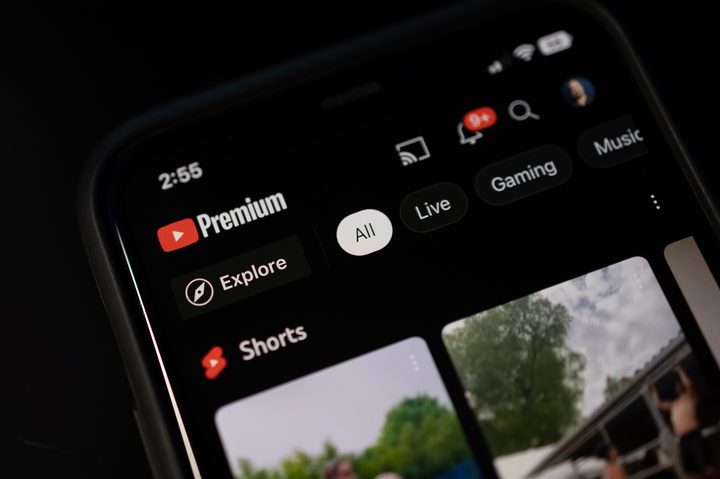
YouTube Premium on iPhone.
Phil Nickinson / Digital Trends

YouTube Premium gets you ad-free YouTube videos, which is worth it in and of itself. You also get the ability to play videos in the background while you’re doing something else, or when the screen is locked on your phone. You’re also able to save videos for offline viewing. And YouTube Music is included as well, ad-free. You also get ad-free and offline playback in the YouTube Kids app.

Family plans allow up to six accounts total, the same as with YouTube TV, and everything is based on a standard Google account. There’s the manager account, which is in charge of things, and from there it will add up to five other family members aged 13 and up.

An individual subscription to YouTube Premium remains at $12 per month, after a one-month trial. Or you can save a couple of bucks and pay $112 annually. Student subscriptions remain $7 per month.

Phil Nickinson
Former Section Editor, Audio/Video
Phil spent the 2000s making newspapers with the Pensacola (Fla.) News Journal, the 2010s with Android Central and then the…
TCL built a 22-speaker soundbar for turning living rooms into movie theaters, but it’s skipping the US
Here's everything inside TCL's new flagship Q95K soundbar, from its Bang & Olufsen tuning to its 360-degree sound tech.
Electronics, Speaker, Home Theater

I've used enough soundbars to know most "360-degree audio" claims are marketing fluff dressed up as innovation. TCL's new flagship might actually have the hardware to back that claim up for once.

The Q95K is TCL's new flagship soundbar. It's built around an 11.1.4 channel Hi-Fi architecture and tuned in collaboration with Bang & Olufsen. To me, it sounds like a serious attempt to compete with premium home theater setups.

Read more
Lenovo brings Bose-tuned Yoga headphones to the US and they don’t cost a fortune
Lenovo has a sub-$200 Bose-tuned headset for anyone glued to a Yoga laptop
Electronics, Headphones

Lenovo is entering the crowded noise-cancelling headphone market with a pair priced just a penny shy of $200. Called the Headphone Yoga PC Edition, they combine Bose-tuned audio, ANC, and a design built to complement the company’s Yoga laptops.

Initially announced at CES 2026, the Cosmic Blue version is now available directly from Lenovo in the US. The headphones are designed to complement Yoga PCs, although Bluetooth 5.3 and a 3.5mm input allow them to work with phones, tablets, and computers from other brands.

Read more
Stop joining group projects with a blurry laptop webcam and buy one of these instead
Your laptop webcam is sabotaging your first impression. These five can fix it
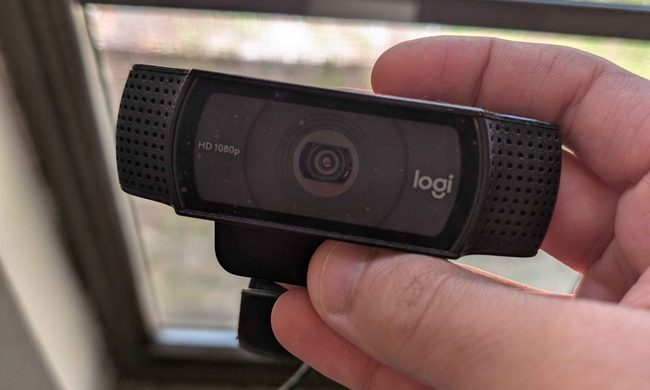
I'm holding my Logitech C920 1080p webcam in my hands.

The webcam built into your laptop might be good enough for a quick call with friends and family. But its shortcomings become much harder to ignore when you are presenting a semester project, interviewing for an internship, or maybe if you're planning to stream for fun.

Laptop cameras also tend to sit far too low, especially when the computer is placed directly on a desk. Meanwhile, a dedicated webcam lets you position the camera closer to eye level. This improves the framing and brings larger sensors, better microphones, and more effective low-light processing.

Read more