  1. Home
  2. Smart Home
  3. Legacy Archives

Alba: A responsive light bulb that can sense your presence and learn your preferences

Add as a preferred source on Google

Don’t get us wrong — connected light bulbs that you can control remotely are definitely cool, but for all their nifty functionality, almost all of them still have a fundamental flaw: the fact that you’ve got to use your smartphone to flip them on or off. Despite the fact that this system is often touted as being simpler, in reality, it’s typically a bit more cumbersome. In the time it takes to open your phone, navigate to the lighting app, fire it up, and execute the desired function, you probably could’ve stood up and flipped a switch half a dozen times over. Wouldn’t it be nice if there was a truly simpler way to operate your lights?

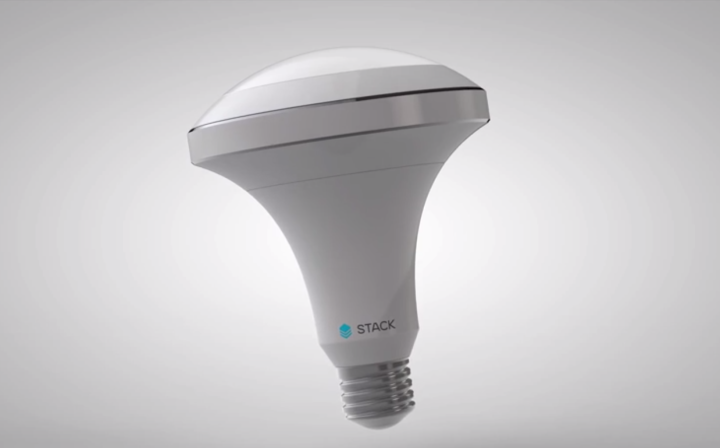
Well good news — thanks to an upcoming smartbulb from fledgling startup StackLighting, you might never need to fiddle with switches or smartphone apps ever again. The bulb, named Alba, is equipped with an array of presence sensors, allowing it to know when you are (or aren’t) in a given room. Armed with this information, the bulbs can turn themselves on or off intelligently whenever you enter or leave a section of your home. They can even learn your preferences over time, much like a Nest thermostat. The idea is that, once installed, these bulbs will mostly eliminate the need for you to interact with your lights ever again — but of course, if you’d like to, Alba also sports an accompanying smartphone app for remote control and customization.
Recommended Videos

Screen Shot 2014-09-09 at 11.59.14 AMRelated: Vocca is the voice-activated light socket that makes your Clapper look prehistoric

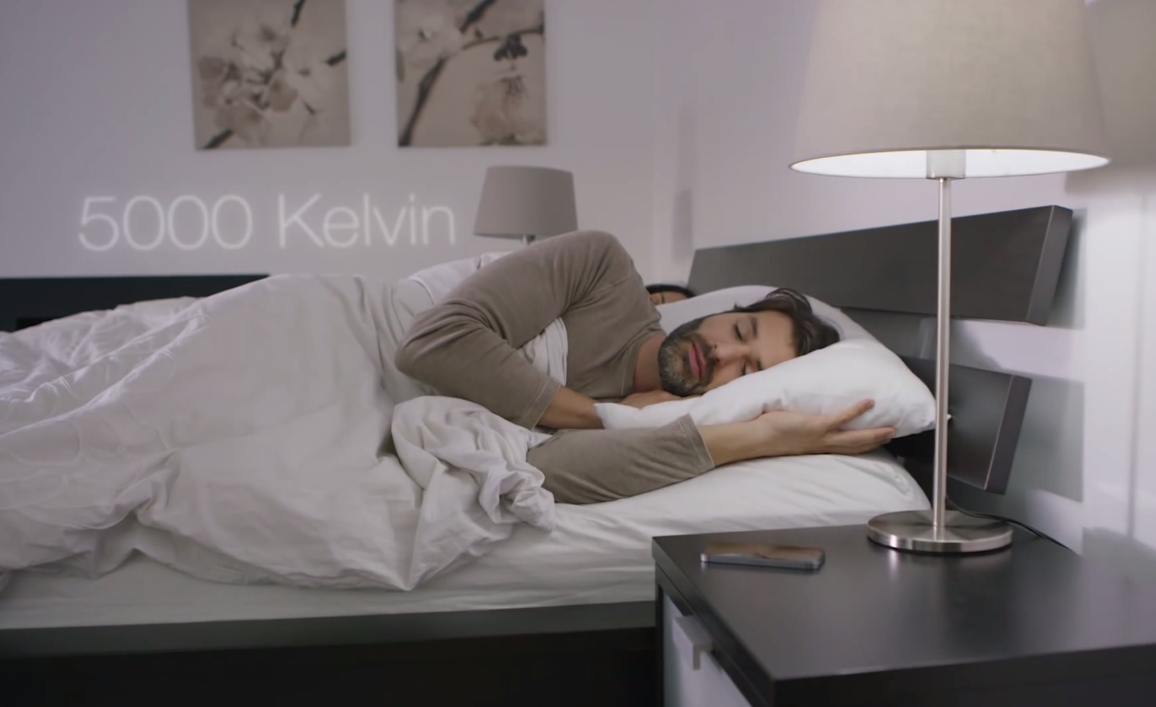
Additionally, much like other smart bulbs, Alba is outfitted with special color-variable LEDs. Not only does this mean it uses drastically less electricity than traditional incandescents and CFL bulbs — it also means that the bulb’s color temperature can be adjusted to suit a given situation. Exact specs on the bulb’s color range aren’t available just yet, but based on the video below, it appears that Alba will be capable of producing everything from cool white to warm yellowish hues. It doesn’t appear to offer novelty colors like pink and green like Philips Hue and others, but instead focuses on color temperatures that affect your physiology — blue wavelengths to help you wake up and stay alert, and warm reddish ones to help you relax and wind down.

Rather than going the crowdfunding route, StackLighting is going it alone and raising money for its first full-scale production run through pre-orders on its own website. Alba isn’t expected to ship until early next year, but you can currently pre-order a set of two BR-30 style bulbs and accompanying network hub for just $150. Other bulb styles aren’t available quite yet, but the company’s website suggests that a wide range of different styles will be available in the future. Find out more here.

Drew Prindle
Former Senior Editor, Features
Drew Prindle is an award-winning writer, editor, and storyteller who currently serves as Senior Features Editor for Digital…
My smart home experiment has reached its natural limit
Smart-home technology keeps improving, but being easier to automate doesn’t make everything worth automating
Computer, Electronics, Laptop, Smart Home

The first device I added to my smart home was a light bulb. It seemed like the safest possible place to start. I could turn it on from anywhere, put it on a schedule, and eventually work it into routines with everything else.

Then I tapped the button in the app and waited. The delay was only about half a second, but half a second is surprisingly noticeable when the alternative is a wall switch that responds immediately and has never once asked for a firmware update. Using my phone was worse. I had to unlock it, find the app, open the right room, and tap the light I could have switched on several steps earlier.

Read more
Google Home’s Interactive Storytime feature has me wondering who actually asked for this
Google Home gets interactive AI storytime, smarter alarms, and broader camera support.
Computer, Electronics, Tablet Computer

Google Home's latest update introduces several new features, including Gemini-powered Interactive Storytime. While I’m not sure who asked for the feature, it lets families build original stories about specific topics on the fly, instead of just listening to a known story. 

So what's the big new feature here?

Read more
Proxima wants to move blood tests into the home, and it has cleared an important early hurdle
The portable analyzer delivers blood-count results in about 20 minutes, but its promise depends on transparent clinical data
Furniture, Table, Desk

Algocyte’s Proxima is designed to run blood-count tests from a small finger-prick sample and send the results to a clinician in about 20 minutes. For patients who need frequent monitoring, that could mean fewer trips to a clinic or laboratory.

The device has also moved beyond the concept stage. Proxima carries UK conformity credentials, while Algocyte operates under a certified medical-device quality system. Those steps give the project more weight than a prototype shown at a launch event.

Read more