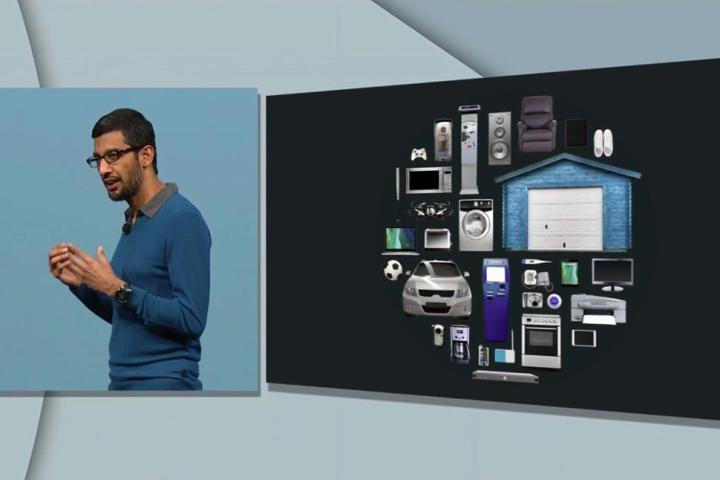
Fast forward eight months to CES 2016, and we’re finally starting to see the first companies committed to using Google’s Brillo and Weave platform to connect various devices in your home.
Unfortunately, the details are still pretty sketchy at this point, but it’s good to see the smart home of Google is moving forward. These devices are likely to not only connect to Android smartphones and Android Wear smartwatches, but the Nest thermostat as well.
LG announced that it’s a key strategic partner with Google. Gayathri Rajan, vice president of product management at Google, said during LG’s press conference that the companies are working on smart objects that also ensure privacy and security.
Harmon announced that it will support various device manufacturers for many IoT applications for the smart home, consumer, automotive, and enterprise segments. Harmon also announced that it’s already enabling its connected speaker product lines to support Weave.
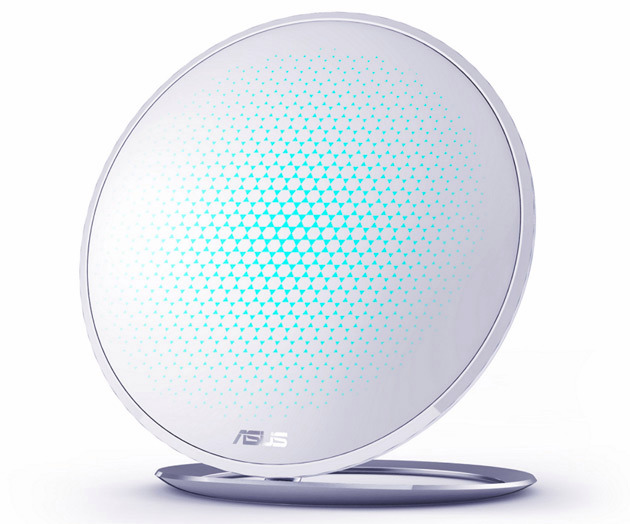 Asus announced a smart home bridge that is built on Brillo. Asus already has a line of smart home products, so this bridge should enable them to connect to Android phones much easier. The company plans to announce more Brillo products later this year.
Kwikset is known for various smart locks and it announced a new one that will support Weave. This smart lock features a new keyless, capacitive touchscreen utilizing its patent-pending SecureScreen technology. A prototype will be shown at CES 2016, so it’s likely to become available later this year.
Marvell announced the EZ-Connect MW300 and MW302 Wi-Fi microcontroller system-on-chips (SOCs) that support Weave. these microcontrollers will hopefully be utilized by other manufacturers of home appliances, wireless storage, thermostats, toys, and other connected products.
That’s it for now, but we’ll be sure to update this post as more partners jump on board with Brillo and Weave.
Editors' Recommendations
- Google is expanding Fast Pair, casting to more devices
- Google just redesigned one of its biggest apps, and it’s bad
- How to pre-order the Google Pixel 6a right now
- Google Photos now shows more of the photos you want, fewer of the ones you don’t
- Google Maps is getting improved Live View navigation, more detailed map data