1. Home
  2. Smart Home
  3. News

Machine learning for all: Works with Nest gets new abilities

Add as a preferred source on Google

If you’ve looked into buying smart devices for your home, you’ve probably seen the “Works with Nest” badge printed on the outside of one of the boxes, considering how many devices are a part of the service. Alphabet has been pushing to make its Nest thermostat the center of everyone’s home by getting IoT manufacturers into the program. Thanks to Alphabet’s research in machine learning and pattern recognition, the Works with Nest program has gained extra smarts, allowing your other devices to hook into, and react to, more events.

Benefitting most from the newfound capabilities are the Nest cameras, including the new Nest Cam Outdoor. Thanks to Alphabet being able to train its image processing on the millions of photos uploaded by Google Photos’ 200 million users, the cameras have gained the ability to recognize if the movement it sees in frame is an actual person or something like a car driving by. Being able to discern this difference will be a big advantage, reacting only to a person’s presence and cutting down on false alarms caused by the family dog, for example.

Recommended Videos

Also now able to broadcast out to third-party devices is the thermostat’s Sunblock feature. Originally it just factored in direct sunlight into how much it cooled the house, but now it can share information about the glare. Connected smart blinds could, for example, automatically lower in order to keep the heat down and smart bulbs could dim to take advantage of the natural light.

This is all reliant on the manufacturers actually taking advantage of these newfound abilities, of course. But the Nest API is available to anyone, free of charge, so if you have a spare computer like a Raspberry Pi and a willingness to dig through some documentation, you can take advantage of the new features yourself.

The thermostat itself also got a recent tweaking: Away Temperature is now Eco Temperature. When you manually change to this setting on your thermostat, it won’t activate other Nest products, like cameras, like Away used to. That’s important, because you can throw on a sweater, set the thermostat to Eco Temperature to save some money, and not have to worry about your living camera clicking on because your smart home thinks you’re actually gone.

Tom Cassady
Former Digital Trends Contributor
Growing up, Tom’s favorite section of the Sunday newspaper was the Best Buy and Circuit City advertisements. Originally…
Why Your Next Outdoor Security Camera Might Need Three Lenses
EZVIZ Puts Triple-Lens Outdoor Security in the Spotlight at IFA 2026
camera, security camera

Monitoring a home often means watching several things at once. Just as a car pulls into the driveway, a visitor might approach the front gate, or movement could catch your eye in the side garden. For many European homes, this is a familiar scenario.

The challenge becomes even more noticeable when a property includes a backyard, detached garage, or swimming pool. Installing another camera for every angle is one solution, but it also means more devices to set up, manage, and maintain.

Read more
I played with Yarbo’s yard robot at IFA, and now I want one for every season
One tracked robot, a new job for every season
Yarbo M-series Featured 2

I’ll admit, I wasn’t expecting a yard robot to be one of the more entertaining things I’d get my hands on at IFA 2026. Then I walked over to Yarbo’s booth and started playing around with the M Series.

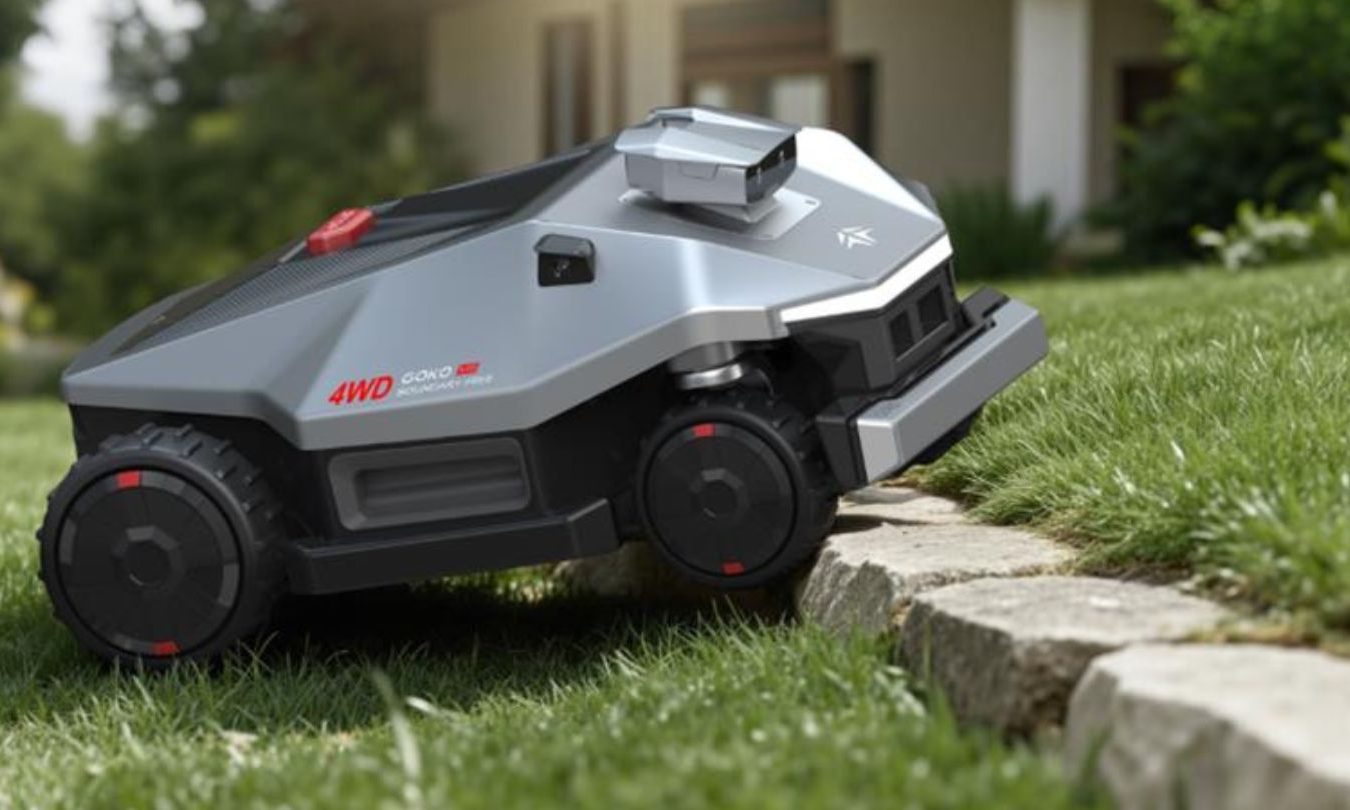
The basic idea is wonderfully simple: instead of buying a different robot for every outdoor chore, Yarbo gives you one tracked robotic Core and a collection of attachments. Swap the module, and suddenly your robot has a completely different job. Mowing? Yep. Snow? Yep. Leaves? Yep. And there’s even a trimmer module on the way.

Read more
WindGroove’s AirFi One imagines a smarter home with fewer devices
The future of smart homes may not be more devices, but better-designed experiences
Architecture, Building, Furniture

The future of smart homes may not be more devices, but better-designed experiences

Minimalism has reshaped almost every corner of the modern home. Kitchens hide appliances behind seamless cabinetry, televisions have become slimmer and more discreet, and storage is increasingly designed to disappear into the architecture. The goal isn’t simply to own better things. It’s to create spaces that feel calmer, cleaner, and more intentional. Smart home technology, however, has largely moved in the opposite direction. Every upgrade seems to introduce another speaker, another controller, another light, or another connected device competing for space and attention.

Read more