  1. Home
  2. Phones
  3. Apple
  4. Mobile
  5. Web
  6. News

Apple is mandating HTTPS connections for iOS apps by 2017

Add as a preferred source on Google

Your iPhone apps are about to get a whole lot more secure. Apple launched App Transport Security a year ago, a service that enforces secure connections between apps and servers. Now, however, the company is making use of ATS mandatory.

All apps on the App Store will have to use the security feature by January 1, 2017, according to a report from TechCrunch.

Recommended Videos

“Today, I’m proud to say that at the end of 2016, App Transport Security is becoming a requirement for App Store apps,” said Apple’s head of security, Ivan Krstic, during a presentation at WWDC. “This is going to provide a great deal of real security for our users and the communications that your apps have over the network.”

So what is ATS? ATS first showed up in iOS 9, and when it’s enabled it basically forces apps to connect to the web using HTTPS connections, which are more secure than the standard HTTP connections. What that means is that when data is being transferred from an app to a server and back, it’s encrypted.

Of course, plenty of apps already use ATS — it was enabled by default in iOS 9, however developers were able to switch it off if they so chose. It was likely only a matter of time before the feature was mandatory, and while it may take a few tweaks by developers to enable ATS, users will be much more secure.

Apple isn’t the only one making moves into securing data online. Ever since the Edward Snowden revelations there has been a movement to secure data, something that Apple has taken very seriously, as demonstrated by its battle against the FBI over access to user iPhones — Apple encrypts all of the data on an iPhone, meaning that agencies like the FBI are unable to access that data.

Christian de Looper
Christian de Looper is a long-time freelance writer who has covered every facet of the consumer tech and electric vehicle…
Motorola’s next Edge phone could make Android’s MagSafe moment cheaper than Google did
Motorola Edge 70 Max is next in line with magnetic charging
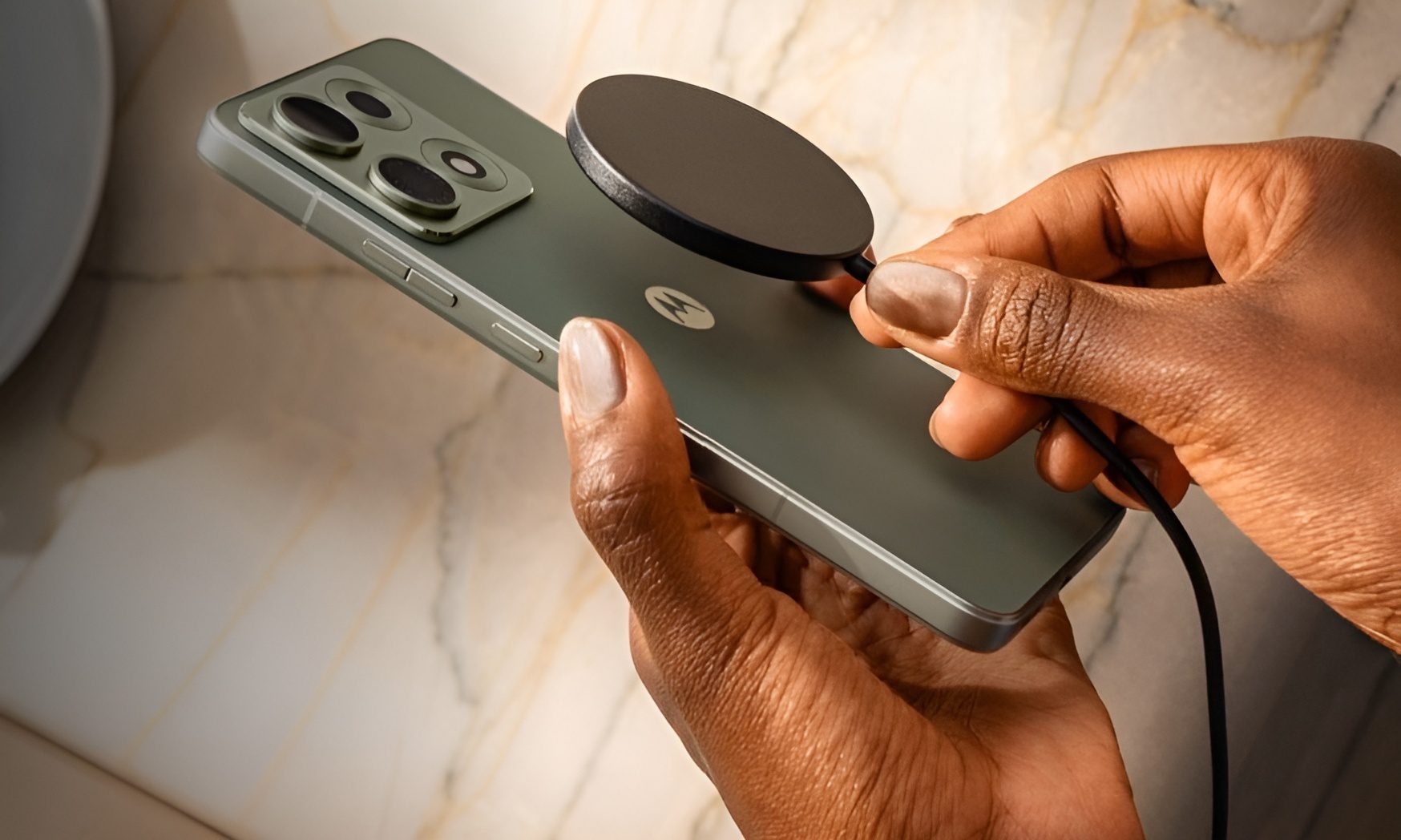
Motorola Edge 70 Max with a magnetic charger

Motorola could be adopting Qi2 wireless charging technology, joining Google Pixels and Apple iPhones for magnetic charging support. While Android's Qi2 rollout has been oddly frustrating, the company's upcoming Edge phone could be the first to bring it to a non-flagship model.

A Wireless Power Consortium listing has revealed the Motorola Edge 70 Max, while another leak has revealed more details regarding its specs and features. We also get a look at some of the leaked promo material that shows magnetic Qi2 in action.

Read more
Google starts testing Gmail Live, its new voice search tool for your inbox
The feature lets you ask questions about your inbox with your voice and is set to roll out later this summer.
Gmail Live screenshot on gradient background

At I/O this year, Google showcased Gmail Live, a new Gemini-powered feature that lets users search their inbox using their voice instead of typing. The feature has now moved into testing, with 9to5Google reporting that it's rolling out to a small group of Android and iOS users this week.

How Gmail Live works

Read more
Apple and Google sat for discussions to unlock 50W wireless charging for smartphones
Wireless Charger

The next major leap in wireless charging may not come from a flashy smartphone launch, but from behind closed doors where some of the biggest names in the tech industry are working together, according to an ITHome report.

Apple, Google, Xiaomi, and several other leading technology companies recently gathered in Beijing for the Wireless Power Consortium's (WPC) Qi Off-cycle Meeting, where discussions centered around the upcoming Qi 50W wireless charging standard. The four-day event, hosted by Xiaomi, focused on refining technical specifications, testing prototype hardware, and ensuring devices from different brands can work seamlessly together.

Read more