
OnePlus is moving full steam ahead toward integration with Oppo, according to Pete Lau, Oppo’s new chief product officer and the founder of OnePlus. Lau spoke with Digital Trends and other media outlets to address the company’s plans in both software and hardware, as well as a yet-unnamed 2022 flagship.
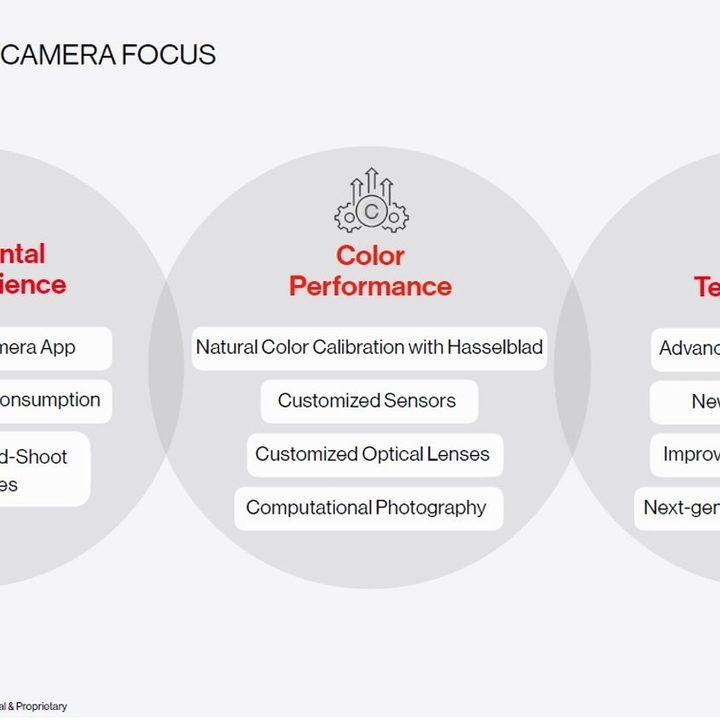
Most of this news isn’t new; it was revealed in June, when Lau posted to the OnePlus forums that OnePlus and Oppo would be merging. It’s also not new that OnePlus and Oppo are integrating OxygenOS and ColorOS down to the codebase, which was confirmed in July, or that OnePlus is focusing on better camera software, including a partnership with Hasselblad focused on color calibration and the new Xpan Mode.
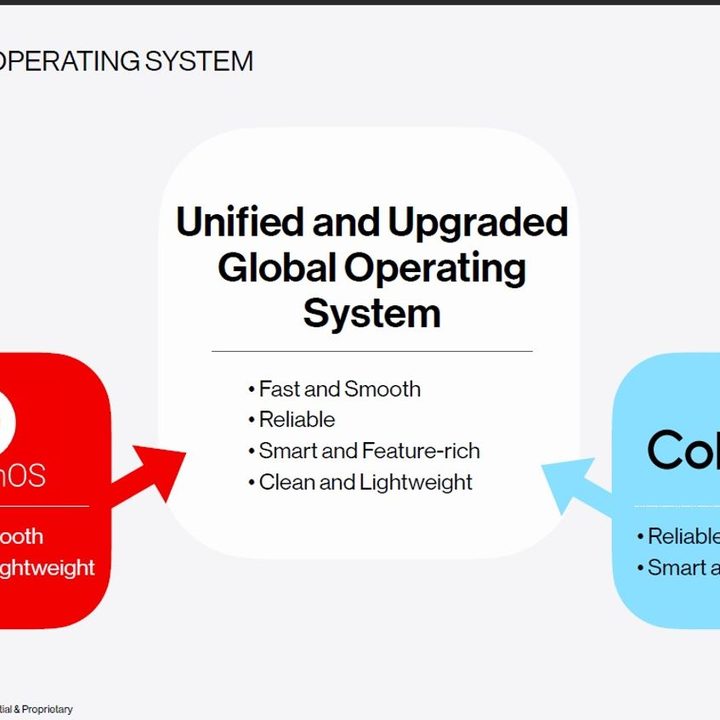
What is new is that OnePlus and Oppo aim to have an upgraded global operating system and unified platform by 2022, just in time for their next flagship, which will be the first new device to launch with the newly integrated OS.
“We find this approach is most efficient and effective for our product portfolio going forward,” Lau said about the merger of the design team. The diagram above points out that the new unified OS will be fast, smooth, reliable, feature-rich, lightweight, and various other superlatives.
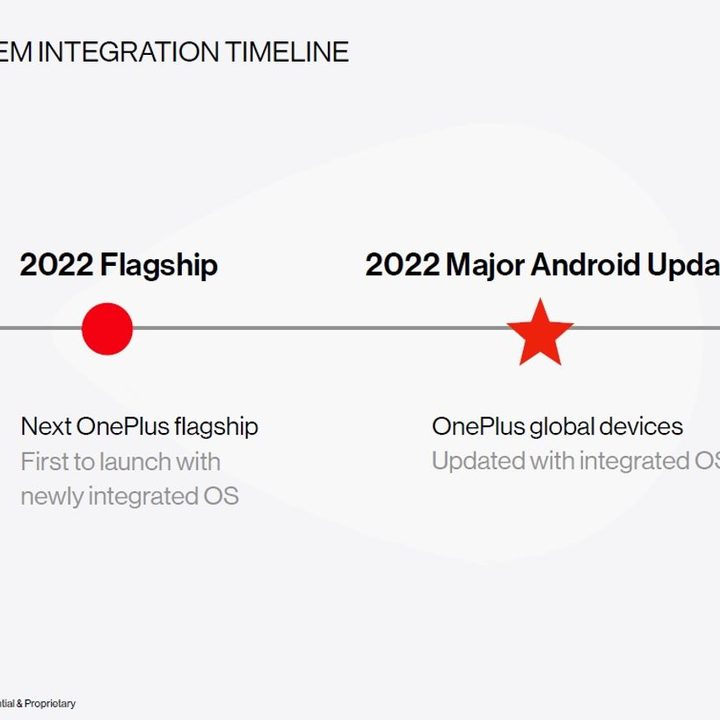
The unnamed flagship is set for a 2022 launch, according to the timeline above, which doesn’t really provide much in detail aside from the fact that OnePlus devices worldwide will get a major Android update in 2022 with the integrated OS. Aside from these points, Lau confirmed that OnePlus has committed to supporting at least three major Android updates and four years of security patches, providing the “longest, most secure, and most stable updates to users.”
That may be overstating things a bit, but the new update schedule compares favorably to other manufacturers like Google and Samsung, which similarly provide three full years of software support. OnePlus devices will also continue to support unlocked bootloaders, and OxygenOS 12 will still release shortly after the Android 12 launch, so there’s no need to worry about it getting skipped due to the release of the new OS.
When it comes to other devices, Lau made clear that Oppo and OnePlus aren’t consolidating device lines and that the company will “maintain the differentiation of products for different audiences and different regions, including the best design fit for that product and audience.”
That means midrange devices like the OnePlus Nord line will continue to exist alongside flagships. The one loss here may be the T-series, which won’t be getting a new version this year, though that doesn’t necessarily mean the line is scrapped.
“More importantly, going forward, our more affordable product ranges will become more localized, while continuing to offer our premium and ultra-premium flagship smartphones globally,” Lau said. The downside of all this is it’s likely that certain markets like the U.S. will continue to not get the full range of OnePlus devices, as was the case with the OnePlus Nord 2.
We’re still some time away from the full integration and the reveal of the new unified OS, so it likely won’t be until early next year that we get our first hints of what the new operating system and flagship look like.


