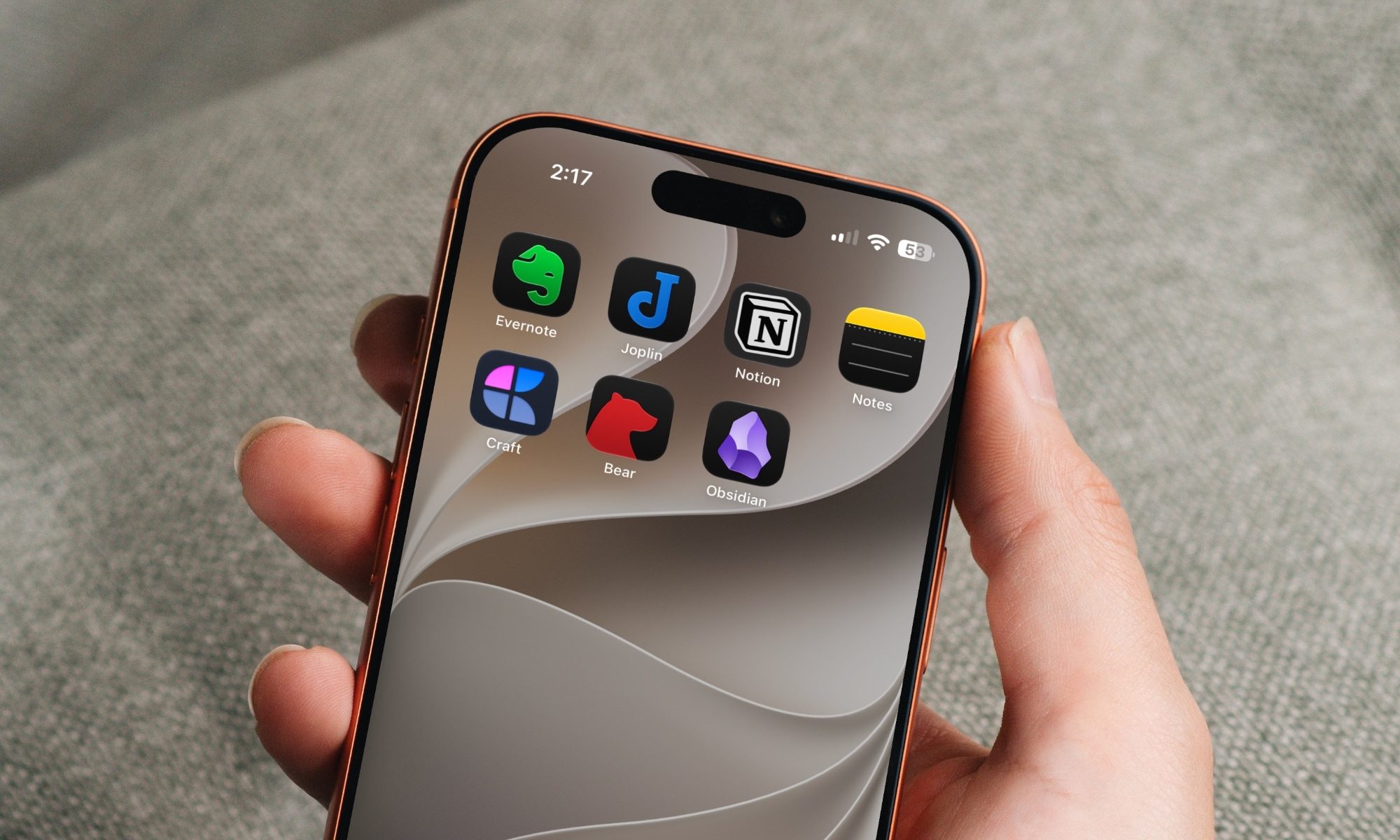
A recent report says we spend an average of two hours and 40 minutes each day looking at a smartphone. That doesn’t mean making calls, but using apps and browsing the Web. Spend that amount of time staring at anything, and it’s inevitable it’ll happen in the company of other people. We’ve all done it. Checked our email in a restaurant, Instagrammed a picture of the food when it arrived, or checked a fact during a conversation only to be drawn into reading more instead of contributing verbally. It’s no secret our lives are being affected by our obsession with smartphones.
However, never before has this phenomenon been portrayed so poignantly as in the short YouTube film I Forgot My Phone. Despite only being online for a few days, it’s already been viewed more than 10.5 million times. Ironically, YouTube’s statistics show that the site gets a billion views per day from mobile devices, so a lot of those people watched it on their phone.
The short film, written by and starring actress Charlene deGuzman, shows groups of people in various social situations, the majority of which are utterly engrossed by their phones instead of the world around them. Whether it’s taking in a spectacular view, holding a conversation with friends, or innocently enjoying a swing, the phone takes precedence over real life. It’s depressing because we’ve all seen it, and sad because to a certain extent, we all do it.
So, that’s it. The world is finished and society as we know it is crumbling.
Hold on a minute, though. We’re getting carried away here. This film shows people using smartphones, not shooting heroin. Though I Forgot My Phone is true, it’s also overwrought, and shows a hyper-real vision of everyday life. We don’t all act that way, but it does make many of us stop and think about the amount of time we spend on our phones, and how little we listen to what Dave, Susan, or Frank has to say. If that’s you, stop it. If you’re thinking about your friends at this point, chances are you’re not an ignorant moron who goes to a bar and checks Twitter all evening. You probably listened to your mom when she said, “Everything’s fine in moderation.”
If, on the other hand, you’re wholeheartedly agreeing with the film’s sentiment, then there could be another problem, and one that’s unrelated to smartphones. While I’m certain it’s not Ms. deGuzman’s intention, the lead character in I Forgot My Phone does come across as a bit of an attention seeker. She may as well be shouting “Look at me!” as she waves her arms around after knocking down a few pins at the bowling alley. And other than that … what’s so interesting about her, anyway? We’d be on our phones if we were at these events.
Then there’s the scene where everyone starts to check their phones during a conversation. We don’t hear what’s being said, but if they’re talking about that boring bowling alley story, we can’t blame them for seeing what else is happening in the world.
We get the message; it’s delivered in an interesting way. Maybe I’ll stare at people instead of my phone the next time I’m on the beach. But the world ain’t ending.
Blame television
Before the smartphone, the TV was accused of killing off our ability to enjoy each others company. Proof of the big-screen’s ability to hypnotize is perfectly illustrated by artist Olivier Culmann, who between 2004 and 2007 took hundreds of photographs of people watching television. I Forgot My Phone’s sadness is replaced by many creepy, frightening images of people staring, dead-eyed, at nothing at all. There’s no emotion, no engagement, and no movement in any of the pictures.
However, television has been around for nearly 100 years, and even with all the hand-wringing about its “dangers,” we’re still here and talking. In fact, the advent of social media on smartphones and tablets has even made the act of watching TV more inclusive. If Culmann took his photos today, many people would be holding one of these devices, and probably posting a picture on Instagram of him photographing them.
In the same way TV hasn’t stopped us from seeing the world, chatting with friends, or going bowling, smartphones won’t either. They’re still a relatively new invention, and our obsession will inevitably fade. Humans have been around for a lot longer than phones and TVs, but our need to communicate with each other has only grown. Yes, we probably all need to moderate our use when we’re with friends or in places like the cinema. But please, let’s not demonize this amazing tool and the new world it opens up, just because some people would rather the attention it receives was lavished on them.