Marvel Studios has a problem: It did its job too well.
Before 2008, Iron Man was a B-list superhero. Aside from Captain America’s shield and star-spangled uniform, people didn’t know much about the man behind the mask. Thor was better known as a figure from Norse mythology than a comic book character. Black Widow, Hawkeye, and the rest were bit-players at best.
Now, they’re some of the biggest stars in the world. Cap, Iron Man, Thor, and the rest of Marvel’s roster led Avengers: Endgame to the very top of the global box office, shattering records to make the conclusion of the Infinity Stones arc the highest-grossing film of all time.
But while the characters are virtually immortal — Captain America #1 was published almost 80 years ago — the people behind them aren’t. Contracts expire. Actors move on. So now what?
(Warning: MCU spoilers abound below.)
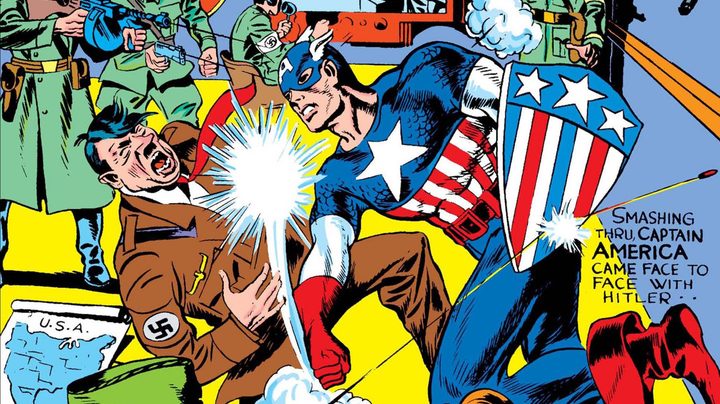
Avengers: Endgame provided a definitive end to Tony Stark and Steve Rogers’ stories, and both Robert Downey Jr. and Chris Evans seem to have put Marvel behind them. Following the events of Endgame, Scarlett Johansson and Natasha Romanoff are probably done after Black Widow, which is a prequel. The synopsis for the Disney+ series Hawkeye sure makes it sound like Jeremy Renner is on his way out. For now, Chris Hemsworth is up for more Thor, but he’s already played the character eight times. If the ninth is his last, nobody will be surprised.
But these aren’t just characters. They’re brands too. Big ones. They put viewers in theater seats, and they bring in quite a bit of money. Is Disney really going to abandon them?
Of course not. Disney isn’t about to sacrifice 11 years of work and billions of dollars spent turning Marvel’s heroes into household names, and Thor: Love and Thunder could be a good indication of just how Marvel can both keep its most popular characters while bringing in new blood.
The Mighty Thor template
Aside from Oscar-winner Mahershala Ali as Blade, Comic-Con International’s biggest Marvel news was that Natalie Portman is returning to the MCU. Portman, who played Jane Foster in Thor and Thor: The Dark World, hasn’t recorded any new footage for Marvel since 2013 (her Endgame appearance was cobbled together from outtakes), and it looked like she’d put Marvel in the rear-view.
As such, it was a big surprise when Marvel revealed that not only would Portman’s Foster play a major role in Thor: Love and Thunder, but that she’s been deemed worthy enough to pick up Mjolnir and become the new, “Mighty” Thor.
https://www.instagram.com/p/B0K017RjJFT/?
Legacy characters, i.e. characters who assume pre-existing superhero identities when the original heroes retire or die, aren’t new to comic readers, but we haven’t really seen their like in the movies — not without a full-on reboot. Introducing a legacy character isn’t the same as recasting a role, like when Daniel Craig became the new James Bond, or when Tom Holland put on Spider-Man’s tights. In cases like that, it’s simply new actors playing the same role as their predecessors, usually accompanied by some sort of continuity reboot. With legacy characters, there’s a brand new character under the spandex who has brand new stories to tell, while all the old canon and former characters remain intact.
The benefits of this approach are obvious. When Chris Hemsworth is tired of playing hero, Portman’s Mighty Thor could step in to take his place. Story-wise, everything that happened in the MCU up to that point still “counts,” Hemsworth gets to pursue new projects, and Disney and Marvel still have a Thor. Everyone wins.
Expect this to be a trend. The new Black Widow film features Florence Pugh as Yelena Boleva, another character who goes by Black Widow in the comics, and co-star Rachel Weiss says that her character is a Black Widow too. Natasha Romanoff might be gone, but if Marvel wants to keep the Black Widow mantle around, it has plenty of options.
TV too
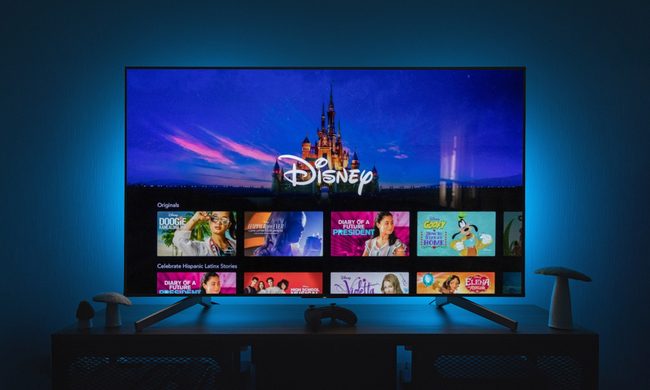
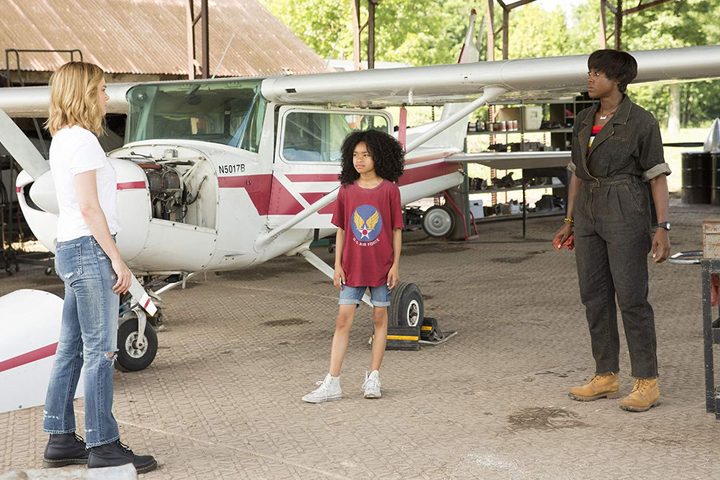
In fact, Marvel’s Disney+ series look like they’re explicitly designed to keep Marvel’s biggest names around, even without the actors who made them famous. From everything we’ve been told, Disney+’s Hawkeye is all about Clint Barton training his replacement, a young woman named Kate Bishop. Falcon and Winter Soldier will focus on Sam Wilson’s struggles as he becomes the new Captain America (Anthony Mackie says he’s already tried on the suit). In WandaVision, Teyonah Parris will portray Monica Rambeau, who’s another Captain Marvel in the comics, as an adult, bringing her one step closer to her superheroic destiny (Monica was played by 11-year-old Akira Akbar in 2018’s Captain Marvel).
To infinity and beyond
It’s easy to see how multiple other characters could be replaced going forward, too. In the Marvel Universe, a few different people have gone by Iron Man. All they really need is a suit. Similarly, Marvel is lousy with multicolored Hulk knock-offs — Bruce Banner isn’t the only person who’s susceptible to gamma radiation — and thanks to Spider-Man: Into the Spider-Verse, Peter Parker’s successor Miles Morales is already a Hollywood star.
Of course, there’s one big difference between the comics and the movies. In the books, legacy characters are usually temporary. Eventually, Steve Rogers is going to return to pick up his shield. Two years ago, Natasha Romanoff died at the hands of an evil Captain America, but she’s already back in her black catsuit, fighting crime like nothing happened.
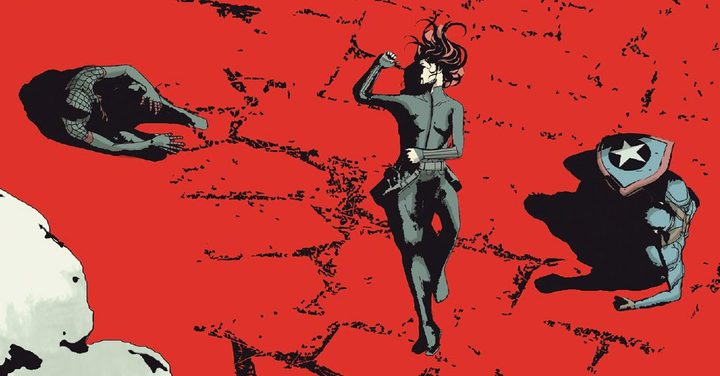
That’s possible because pencil and ink drawings don’t age. They don’t have agents who demand $20 million paychecks. Actors do, and many of the current and upcoming MCU departures will probably stick. That makes the future of the MCU very unpredictable, and as a result, more exciting.
Now, Marvel Studios doesn’t need to keep Captain America, Thor, Hawkeye, and their ilk around. At this point, the Marvel name is bigger than any individual character, and the studio has proved adept at transforming obscure characters into major franchises. Before 2014’s Guardians of the Galaxy film, it was a niche series. Shang-Chi hasn’t been relevant since the ’70s. The Eternals is downright obscure.
Marvel’s habit of picking lesser-known characters from its 6,000-strong roster and making them the lynchpins of billion-dollar franchises won’t go away, and it shouldn’t. The results speak for themselves. And as for bigger names, there are the upcoming X-Men and Fantastic Four reboots to look forward to.
But there’s no reason why Marvel can’t have it both ways, introducing new characters to keep things fresh, and embracing legacy characters to capitalize on the names that fans already know and love.
In other words: Steve Rogers, Tony Stark, Natasha Romanoff, and Clint Barton may be gone, but if the next Avengers team still has a Captain America, Iron Man, Black Widow, and Hawkeye, or some mix of the four with new heroes, don’t be too surprised.