1. Home
  2. Photography
  3. Social Media
  4. News

Facebook apologizes after banning this photo of plus-sized model Tess Holliday

Add as a preferred source on Google

Facebook is in hot water for its content curation again, and this time, it’s more personal than it is political. The social media company, which has come under fire in the past for its contentious standards regarding “appropriate” imagery, has apologized after it banned a photo of a plus-size model.

That’s right — Facebook tried to block an image of model Tess Holliday, the first woman of her size and height to be signed by a major modeling agency (MiLK Model Management in London), claiming that the photograph depicted “a body or body parts in an undesirable manner.”

Recommended Videos

Initially, Australian feminist organization Cherchez la Femme tried to promote the image to raise awareness for an an event entitled “Feminism and Fat.” Holliday is shown in the image wearing a bikini, and according to Facebook’s ad teams, this violated their “health and fitness” policy. As per a message Cherchez La Femme received from the Facebook Ads Team, “Close-ups of ‘muffin tops’ where the overhanging fat is visible, people with clothes that are too tight, people pinching their fat/cellulite (even with full body visible)” are inconsistent with the company’s guidelines. “Ads like these are not allowed since they make viewers feel bad about themselves,” Facebook wrote in its message. “Instead, we recommend using an image of a relevant activity, such as running or riding a bike.”

Cherchez la Femme was horrified by these sentiments, with organizer Jessamy Gleeson telling the Guardian, “We thought it was really horrible and isolating and alienating. Quite simply they need to understand we can use images of fat women to promote women being happy.”

On Monday, Facebook apologized for the ban, asserting that the photo did not, in fact, violate its policies. “Our team processes millions of advertising images each week, and in some instances we incorrectly prohibit ads,” the company said in a statement. “This image does not violate our ad policies. We apologize for the error and have let the advertiser know we are approving their ad.”

But Gleeson doesn’t think this apology is quite enough, contending that the company’s standards are the root of the problem.

“Quite simply they need to understand we can use images of fat women to promote women being happy,” she said. “What about all the cases that don’t receive this media attention? They’ve been wrong in many other thousands of cases, I’m sure.”

Lulu Chang
Fascinated by the effects of technology on human interaction, Lulu believes that if her parents can use your new app…
Want to try film photography? Kodak’s new $35 camera is a great place to start
This retro inspired Kodak EC35 camera keeps film photography refreshingly simple.
Kodak-EC35

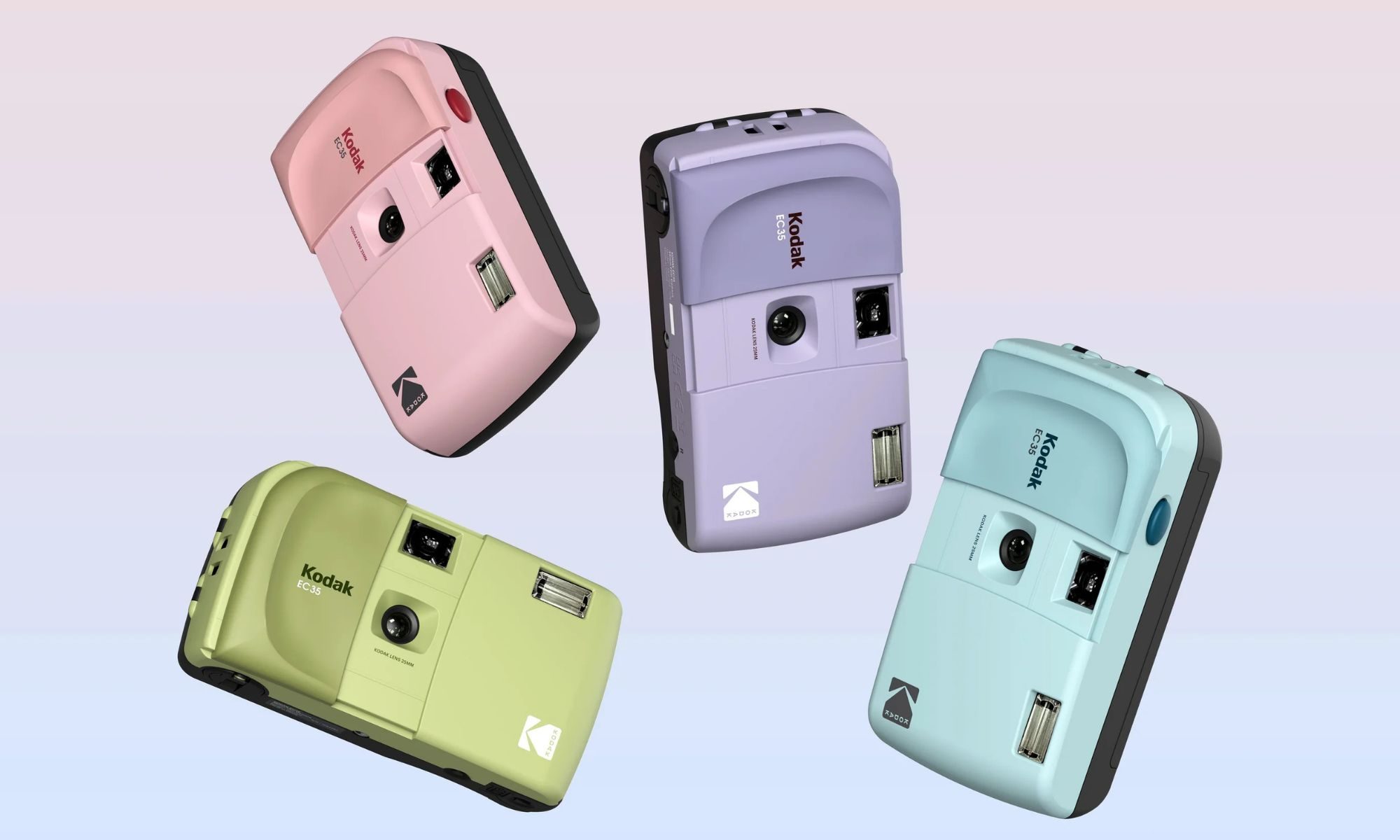
If you've been curious about film photography but didn't want to spend a fortune, Kodak has a new camera worth checking out. The new Kodak EC35 is a reusable 35mm point-and-shoot camera that costs just $34.99, making it one of the most affordable ways to try shooting on film.

Developed by Reto Project under the Kodak brand, the EC35 keeps things simple with a lightweight design, automatic flash, and a pocket-friendly body. It also arrives as interest in analog photography continues to grow, offering beginners an inexpensive alternative to disposable film cameras.

Read more
The FCC’s latest crackdown could put more than DJI drones at risk in the US
Robot, Person, Face

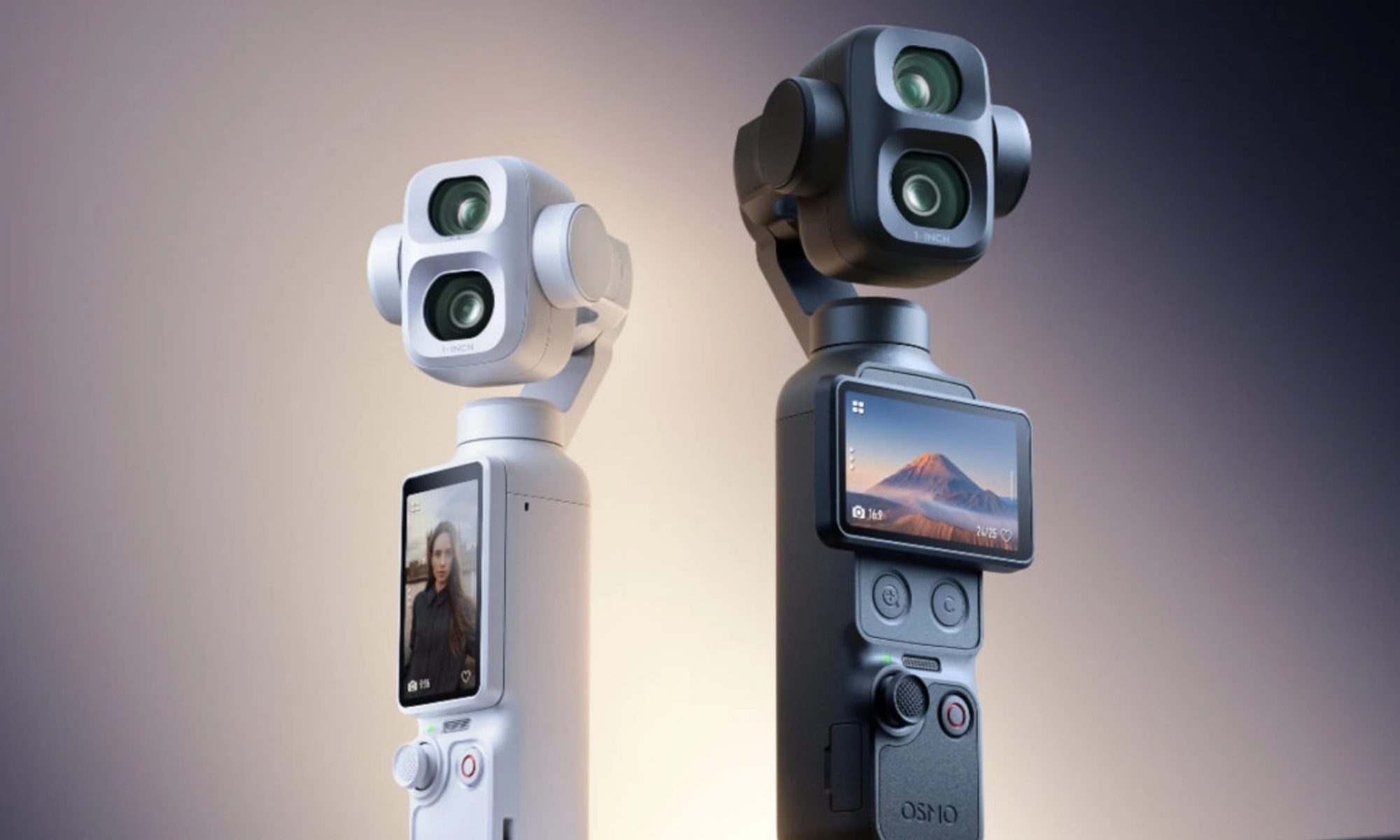
DJI may have found creative ways to keep some of its products flowing into the US, but those efforts are now drawing increased attention from regulators. According to The Verge, the US Federal Communications Commission (FCC) has started cracking down on several companies it believes could be helping DJI continue selling products in the country. These businesses have been described by industry observers as "DJI front companies" because they market or import products that appear to be closely tied to the Chinese drone maker while operating under different brand names.

DJI's alleged back door may be closing

Read more
I bought Kodak’s viral keychain camera, and the bad photos are part of its charm
The Kodak Charmera is barely a camera, and I still keep using it
Machine, Wheel, Camera

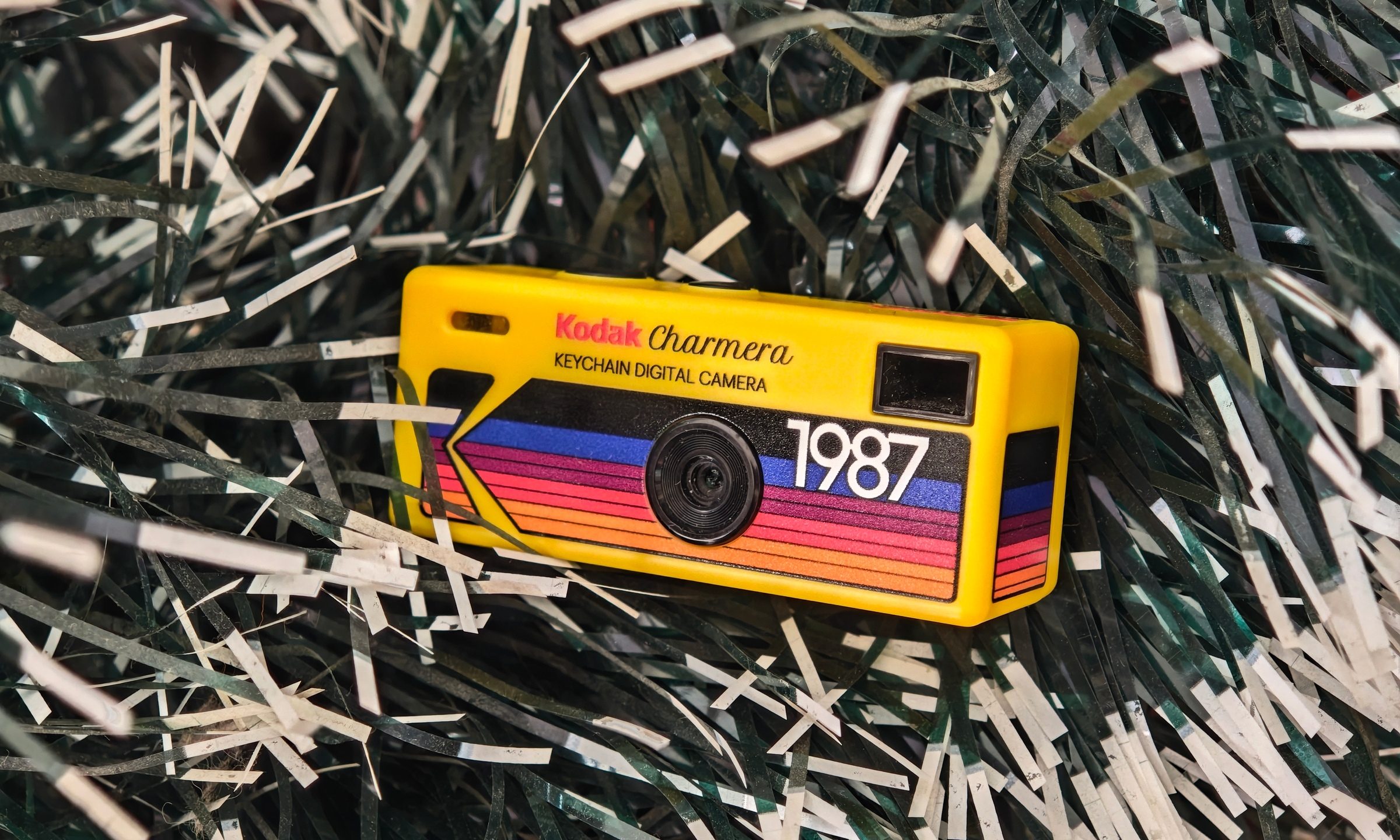
I bought the Kodak Charmera partly because I wanted a portable digital camera, and partly because I wanted a pretty little collectible. The Charmera is sold as a blind box, so you do not know which version you are getting until the box is opened. There are multiple retro Kodak-style designs, plus a transparent secret edition that looks like the one everyone would want.

I had the shopkeeper pick my box for better luck, and it worked out. I got the yellow variant, which is inspired by Kodak's original 80s disposable camera. The transparent one is definitely the fun collector’s piece, but the yellow model feels like the proper Kodak version. It looks like a tiny toy camera that escaped from a souvenir shop, found a keyring, and now hangs around wherever you go.

Read more