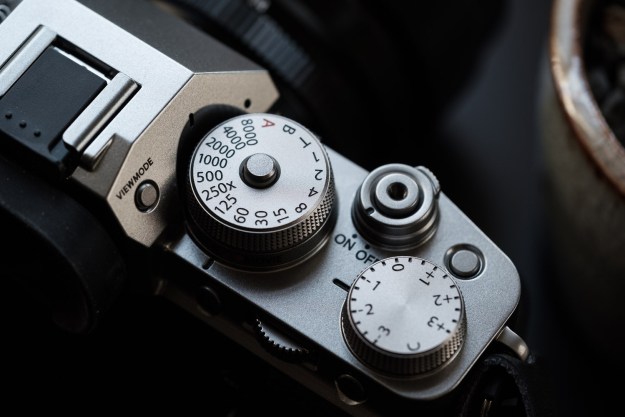
A few years back, Panasonic ran an ad campaign proclaiming, “If it has a ringtone, it’s not a camera.” That’s in defense, of course, against the growth and popularity of smartphone photography. In the early days, camera phones were more novel than useful, but by the time Panasonic unveiled its ads in 2010, camera phones – smartphones specifically – had evolved to become the main tool for photography, simply because they are convenient and connected – two features regular cameras can’t match.
To the camera companies’ credit, there are components that smartphones – functioning as cameras – still can’t match (at least for now, as technology is always evolving, after all). These parts are integral to producing excellent quality, and what helps differentiate a traditional camera from a smartphone. Here’s a look at areas where traditional cameras still have a strong upper hand.
Optical zoom
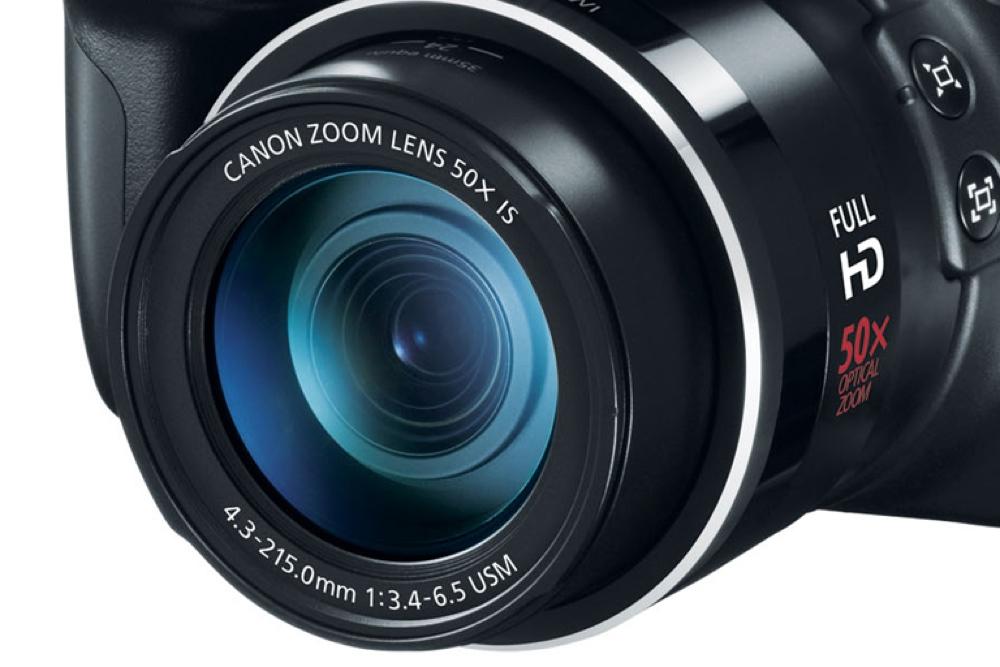
Smartphone cameras may let you zoom in on a subject, but it’s using software to achieve that close-up shot. The problem with digital zoom is that it isn’t a real zoom at all, rather an enlargement of a photo. When you increase a section of a photo on your computer beyond its actual size, you end up with a pixelated image – and that’s exactly what’s happening when “zoom” on your phone. Smartphone makers may try to convince you on their enhanced digital zooms, but at the end of the day it’s no match for an optical zoom.
With an optical zoom, coupled with stronger image stabilizers, you are adjusting the lens, which will give you much better image quality. Most digital cameras offer an optical zoom, even budget models. Besides better-looking photos, digital cameras have very long zooms, as well. Smartphones, on the other hand, can’t utilize an optical zoom lens purely because of a size limitation. To accommodate such glass, a smartphone will bulk up, like Samsung’s new Galaxy S4 Zoom (even internal zooming lenses like those found in rugged cameras require some room). As devices that highlight slim and sleek, adding a protruding lens doesn’t fit into the design.
Sensor
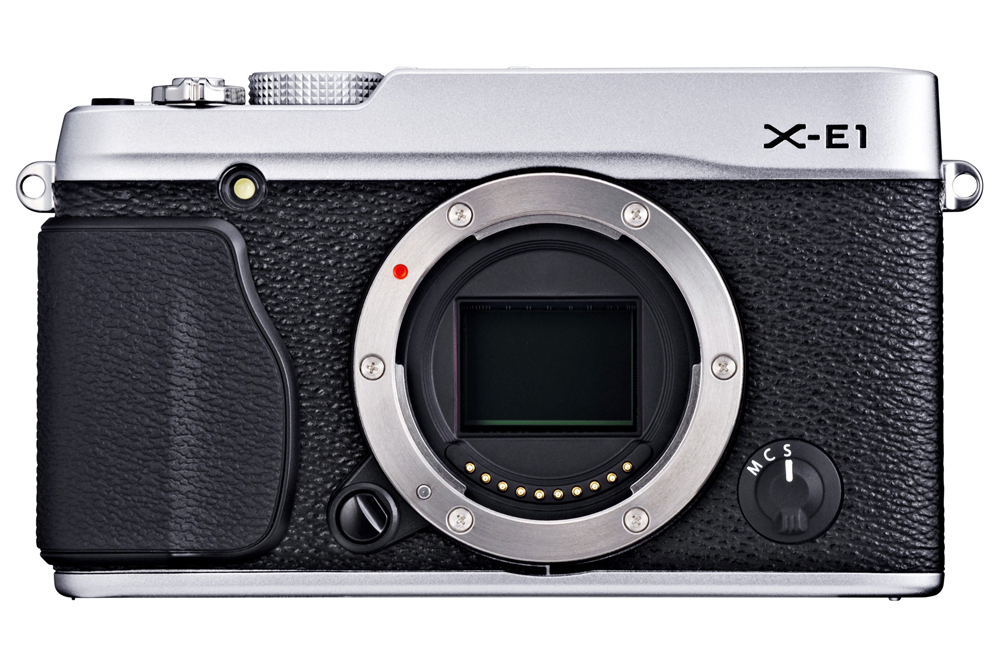 A camera sensor is what’s used to capture a photograph. Through small pixels, the sensor captures all the light and turns it into a digital signal. The more pixels a sensor has, the higher the resolution. But the number of pixels alone does not guarantee a high-quality image. Size matters: A larger sensor means more light can be captured, which is also important for low-light shooting.
Like an optical zoom lens, smartphones can’t accommodate large sensors due to real estate. After all, a smartphone has to pack a lot of non-camera parts while remaining slim and compact. High-end point-and-shoot and interchangeable lens cameras are bulky, but they have the room for large sensors.
As for smartphones, many of them have sensors closer or equivalent in size to those found in basic point-and-shoots. Nokia’s new Lumia 1020 and the older 808 PureView devices offer some of the largest sensors found in a smartphone (hence the protrusions in the bodies to accommodate the sensors), and the Lumia 1020’s sensor is the back-illuminated variety, which captures more light. But compared to APS-C, Micro Four-Thirds, and full-frame sensors, smartphone sensors can’t compete.
Interchangeable lenses
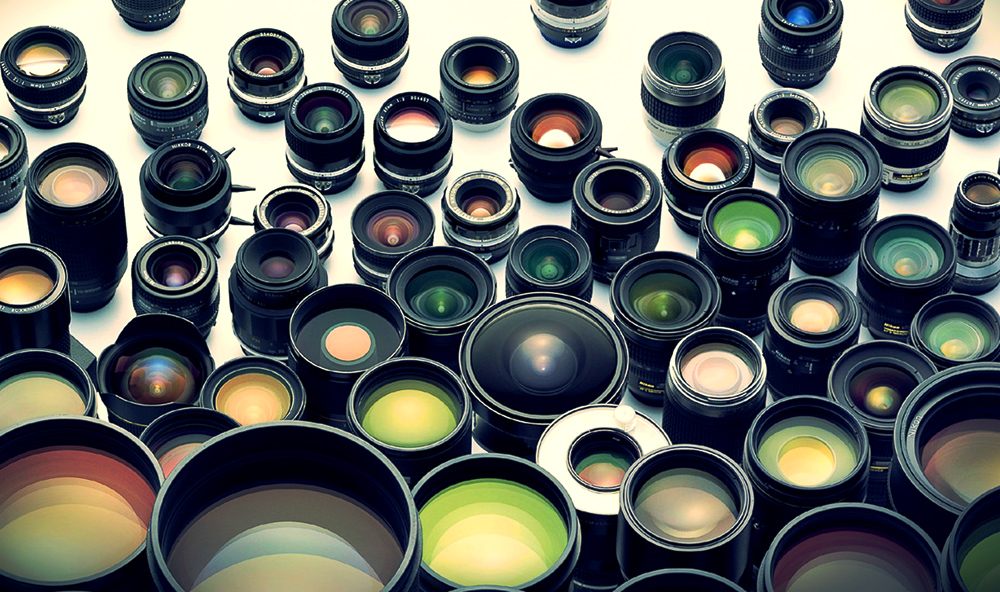
You can slap on doodads to enhance a smartphone’s camera, like adding an accessory that creates a fish-eye, zoom, macro, or wide-angle effect, but you’re still using the same lens. Interchangeable lens cameras like a DSLR or a mirrorless compact system camera (CSC) offer the flexibility of attaching real lenses that achieve the aforementioned effects with better picture quality. Of course, we’re talking about the difference between casual and “real” photography, but for the latter, you’re probably going to need to employ some serious glass to capture certain effects.
Shutter speed
If you want to capture some fast action sequences, you can put away that smartphone. You might get lucky and freeze something in motion, but a fast shutter speed is something that’s difficult to achieve, even with regular point-and-shoot cameras – it’s why you won’t see sports photographers carrying a pocket cam to shoot an event. Some smartphones offer a burst mode that you can use for capturing multiple sequential shots of a moving subject, but if you want to stop something in its tracks, and with sharp image quality, that’s a job for a fast camera with a good lens.
Shooting modes, manual adjustments
 Like their basic point-and-shoot cousins, smartphones are automatic cameras. Yes, some will let you play with the ISO, aperture, and shutter settings, but if you want to take full control of a camera to create some breathtaking images, go with a DSLR or CSC that offers various shooting modes, or even one of the higher-end point-and-shoots. Other advantages include controls over white balance, autofocus, light metering, etc.
(Main image via Rechitan Sorin/Shutterstock)
Editors' Recommendations
- How to turn off the camera sound on an iPhone
- 5 reasons I love the Leica M11 camera and 5 reasons I don’t
- The best iPhone camera accessories for 2022
- The best point-and-shoot cameras
- Here’s why you should be using the iPhone’s excellent photo-editing suite