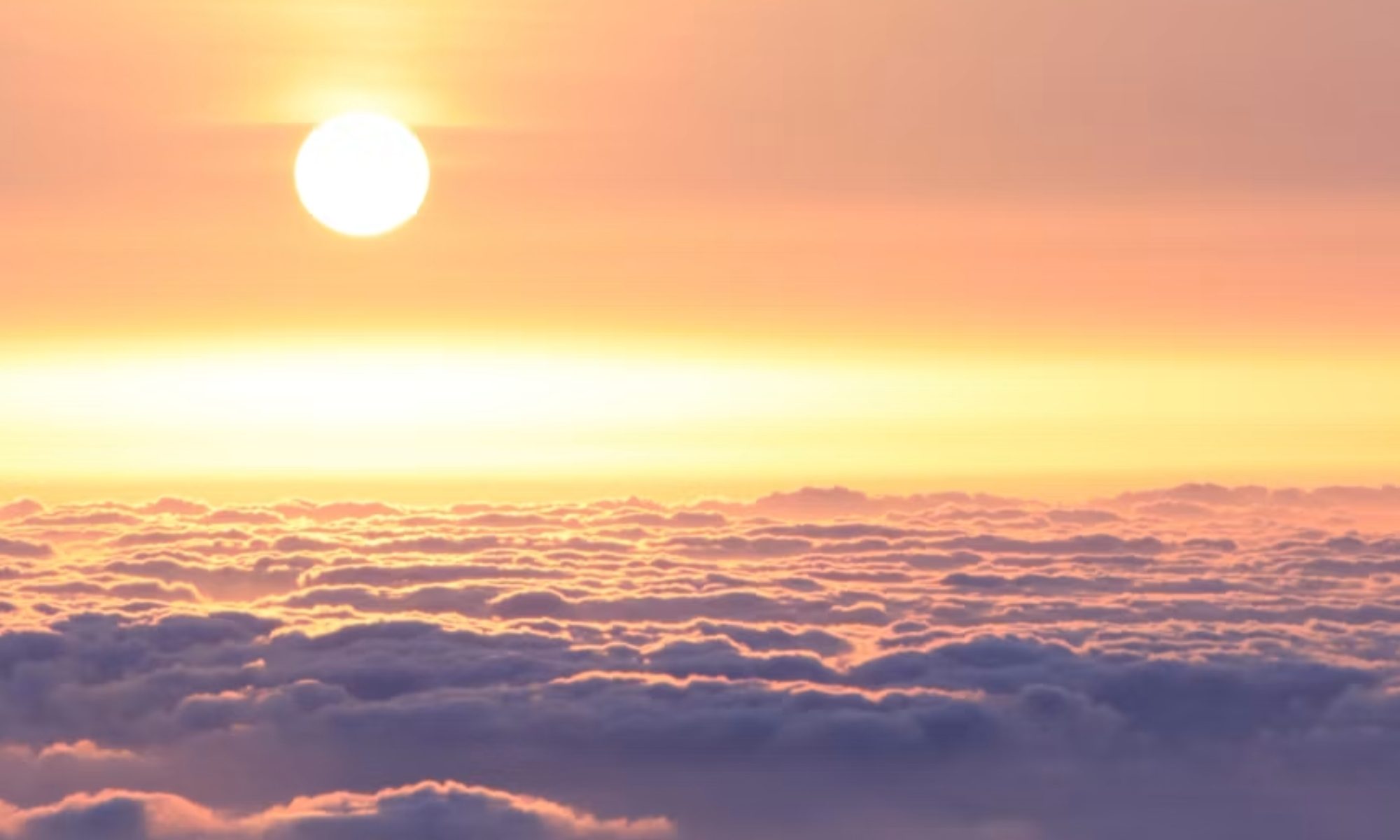
Aerial photographers must surely wish they had the chance to stay aboard the International Space Station (ISS), with the orbiting outpost offering ever-changing views of Earth from 250 miles up.
It’s therefore little surprise that the space station’s seven-window Cupola module, with its stunning panoramic views of Earth and beyond, is easily the most popular spot on the facility among astronauts lucky enough to visit.
While some simply gaze out of the Cupola to marvel at the scenery below, others grab a camera to capture the best of what they see before sharing it with the rest of us down here on terra firma.
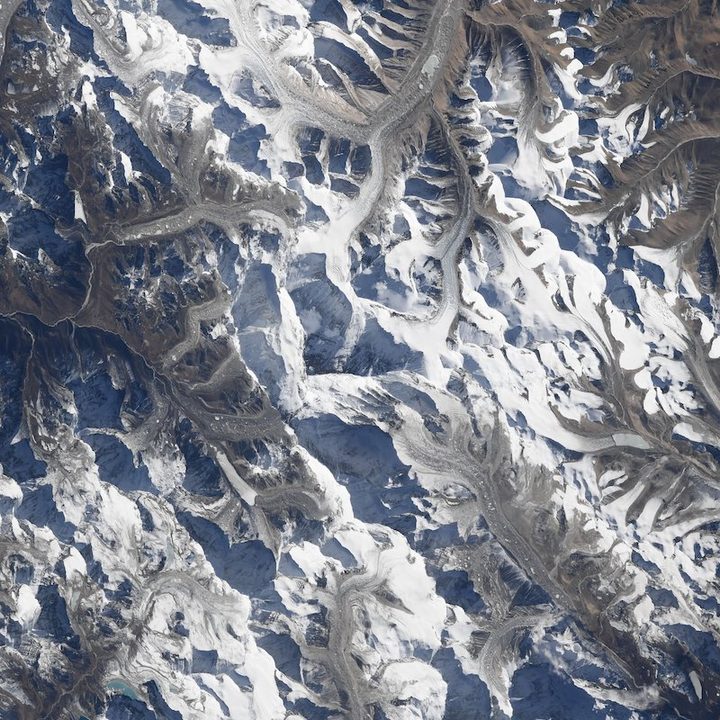
Current ISS inhabitant Mark Vande Hei, who arrived at the facility in April 2021, likes to share the occasional image snapped from up high, with his latest effort looking more like something Van Gogh might have painted than a photograph.
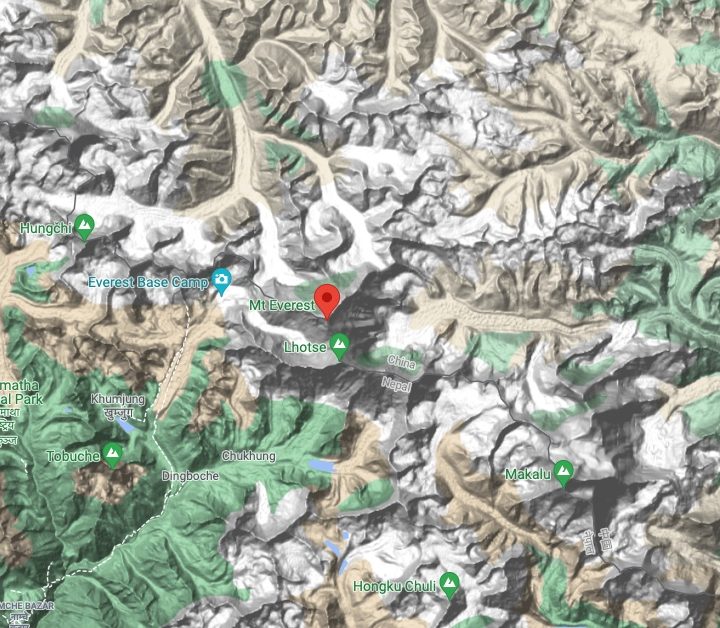
The incredible shot was taken over the Himalayas, with NASA’s Vande Hei challenging folks to spot Mount Everest (answer at the end of this article), the world’s highest mountain at 29,032 feet (8,849 meters).
My New Year’s resolution is to get outside as much as possible. Well, after I land that is. Can you find Mt. Everest in this photo? pic.twitter.com/4CKQ2agYi3
— Mark T. Vande Hei (@Astro_Sabot) January 4, 2022
Here’s a better look at the image …
One of the keenest photographers to visit the space station in recent times was French astronaut Thomas Pesquet. In a post toward the end of his most recent stay that finished in November, Pesquet revealed how a great deal of planning is needed in order to have the best chance of capturing striking images from the ISS.
That’s because astronauts there spend most of their time working on science experiments rather than looking out of the window. Plus, with the station orbiting Earth 16 times a day, glimpses of interesting spots are only ever fleeting. That prompted Pesquet to plan ahead using NASA’s special navigation software that shows ISS times for night and day, cloud cover predictions, and, most importantly, the precise route of approaching orbits.
If the routes correspond with places of interest that Pesquet noted down prior to his mission, he can work out the precise time he needs to be in the Cupola to grab the shot.
As for Vande Hei’s fine effort, were you able to spot Everest? Twitter’s Project Inkfish appears to have nailed it …
— Project Inkfish (@ProjectInkfish) January 4, 2022
And here’s the same view via Google Maps …