The Blocks modular smartwatch project has ended in failure, after starting life on Kickstarter more than five years ago, and raising more than $1.6 million from just over 5,000 backers during its campaign. The company has gone into liquidation, the smartwatch will not ship, and there are concerns that few will ever get their money back.
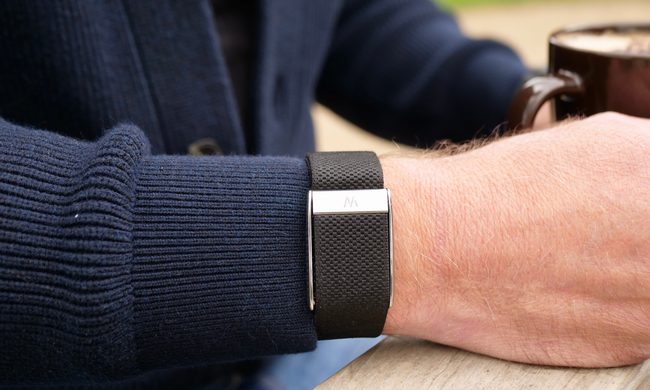
One of the most interesting devices we saw during the short-lived trend for modular devices, which included Google’s now dead Project Ara, the Blocks smartwatch was built around a core central unit and switchable links that made up the strap. The modules that were promised included a GPS unit, a second battery, a flashlight, and a smart button that could be programmed to carry out different functions.
The modules were entirely optional, and a standard 22mm strap could be used when none of the extras were needed. This was the attractive part of the Blocks idea — it could be a regular smartwatch when that’s all you needed, or augmented with additional components when you wanted more. The team was also keen to make partnerships with other companies to produce unusual modules for very specific purposes, extending its appeal to businesses and organizations.
New territory meant complications
Blocks ran into several problems. The original software development team was acquired by Google, forcing the company to take over work on the software. The watch used Android 8.0 Oreo, which had to be customized to support the modularity. Additionally, when first announced, the watch had a Qualcomm processor inside, but this was later changed to a MediaTek chip, resulting in further alterations to the software and hardware.
The project was hugely complex. It took the small team — just 15 people in 2015 — eight months to solve the problem of how to link the batteries together, for example, and a while to come up with a solution on how to isolate modules to avoid crashing the software in the event of a hardware failure. Building a modular smartwatch was uncharted territory, and everything was an experiment.
Digital Trends saw a working prototype at CES 2018, at a time when a small number of very early watches were being sent out to backers. It had plenty of promise, but it was clear there was still work to be done. However, the Blocks smartwatch will never go beyond this stage. In a note sent to backers, it’s stated the company has gone into liquidation, and suggests those who have invested money in the product to fill out a claim form. While it’s possible some will get their money back, any available funds will likely be allocated to Blocks creditors first.
Kickstarter campaigns always have a degree of risk, and sadly, despite the company’s best efforts, Blocks is another to add to the list of failed modular mobile devices.