1. Home
  2. Wearables
  3. Mobile
  4. News

OnePlus says small watch ‘sweet spot’ is 43mm, but it’s bigger than Apple, Samsung and Google

We find out why this smartwatch is on the larger side of small

Add as a preferred source on Google
OnePlus Watch 3 43mm worn on a wrist
John McCann / Digital Trends

We loved the OnePlus Watch 3, it’s our best Android smartwatch, but for all its excellent attributes there was one disappointment. The size.

More specifically, the lack of size options. The Watch 3 arrived in a single, 47mm body size. Great for those with large wrists looking for a sizable timepiece, but it alienated buyers looking for a compact offering.

Recommended Videos

The major smartwatch makers all offer two sizes of their wrist worn wearables, giving consumers the choice they’re looking for.

OnePlus has heard the feedback and addressed the issue with the introduction of the smaller 37.8g, 43mm OnePlus Watch 3.

It’s comfortably smaller and lighter than its sibling, but it’s not as small or light as the the 41mm Google Pixel Watch 3 (at 31g), 40mm Samsung Galaxy Watch 7 (28.8g), or the 42mm Apple Watch 10 (29.3g-34.4g, depending on configuration).

OnePlus says it could have gone smaller, but opted not to. We spoke to EU PR Product Lead at OnePlus, Aske Kjaer, to find out why.

43mm is “the sweet spot”

“We’ve got the dual engine architecture when you’re running two chipsets, and that takes up some space,” Kjaer told Digital Trends when talking about the reasoning for the 43mm size. He also noted the firm “wanted to make sure we get a proper sensor suite in there.”

The OnePlus Watch 3 43mm does miss out on the ECG monitor of it’s larger sibling – there just wasn’t enough space – but all the other sensors are present and correct.

Another issue when reducing the size of a smartwatch is dealing with a smaller screen. OnePlus didn’t want to go any smaller than the 1.32-inch screen it’s settled with here, for fear it would become too “finicky.”

“And so when you combine all those things together, what you get is 43mm being the sweet spot” Kjaer added.

“You can still get that 60 hour battery life in smart mode [which is less than the larger variant, but still good] and up to seven days in power save mode.”

So the main compromises of the 43mm Watch 3 over the 47mm variant are screen size, battery life and lack of ECG monitoring.

The screen is still well proportioned though and easy to navigate – as I experienced it briefly during a preview event – and 60 hours battery life is impressive if accurate. Plus, the compact size will likely outweigh these minor shortcomings for folk after a smaller wearable.

If a smaller version of the best Android smartwatch sounds like your perfect wearable, the OnePlus Watch 3 43mm is available now in Europe and the UK, priced at £269.

We’ll update this report with the watch’s US release date and price once we receive it.

John McCann
John has been a consumer technology & automotive journalist for over a decade.
Qualcomm is set to ratchet up chip prices in September, and your next gadget upgrade could bear the brunt
The price hike could touch every Snapdragon-powered device category.
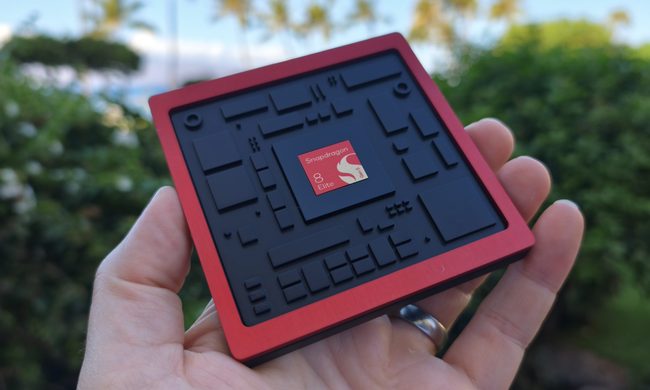
The new Qualcomm Snadragon 8 Elite Gen 5

I want you to sit with this for a second. Qualcomm, the company whose Snapdragon chips sit inside your Android phone and tablet, your Windows laptop, your Meta smart glasses, your Galaxy Watch, and your wireless earbuds, reportedly sent a letter to every major customer telling them prices are going up by double digits. 

The price hike will be in effect from September 1, 2026, a recent Bloomberg report claims. Essentially, all the companies placing their chip orders after that will pay a higher price. 

Read more
Slacked off all summer? Here are 3 fitness trackers that’ll help you stay accountable as you head back to school
Three trackers, three price points, three totally different approaches to keeping you honest about your own goals.
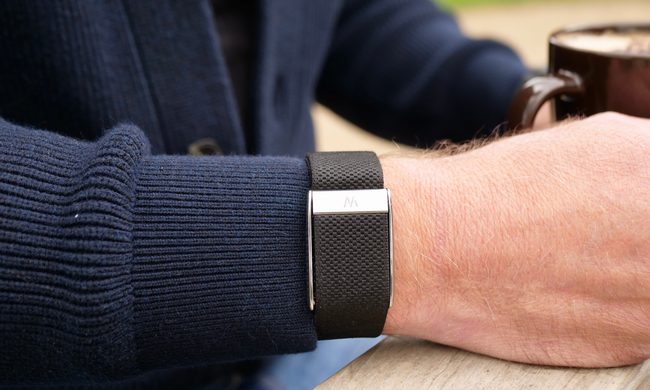
A person wearing the Whoop 5.0.

Summer break did what it usually does. Your sleep schedule drifted, workouts happened less often than you'd hoped, and by the time August rolled around, you were feeling it. You've got a plan to get back on track once the school year starts and your days have more structure, but you know how that usually goes. The first two weeks are solid, then the routine quietly slips.

A fitness tracker won't get you off your couch. What it will do is put a number in front of you every day, one that makes it obvious whether you stuck to your goal or slacked off. That small bit of visibility is often the difference between meaning to work out and actually doing it. Back-to-school season is a good time to buy in, since you're already resetting more than one part of your routine, and the overlap makes the habit more likely to stick. To keep the odds in your favor, here are three fitness trackers that can help you stay accountable and actually hit your goals.

Read more
Galaxy Watch 9 vs. Watch Series 11: Has Apple finally met its smartwatch match?
From AI-powered health coaching to outdoor fitness tracking, here's how Samsung's Galaxy Watch 9 stacks up against Apple's Watch Series 11.
Wristwatch, Arm, Body Part

These days, the real battleground between smartwatches is who can turn a wrist-worn, sensor-loaded device into something that resembles a personal fitness trainer, and this year's crop of flagship wearables takes that fight more seriously than ever. 

Samsung just refreshed its mainstream Galaxy Watch line with a new silicon and a batch of clinically-backed health tools, landing squarely on Apple's home turf of preventive wellness tracking. Apple, for its part, has spent the better part of a year letting its Series 11 sit as the reigning pick for anyone inside its ecosystem, propped up by a software catalog few rivals match feature-for-feature. 

Read more