1. Home
  2. Phones
  3. Android
  4. Computing
  5. Mobile
  6. Web
  7. News

Google Apps for Education update will let parents see students' report cards

Add as a preferred source on Google

Google’s serious about education. The reason? Schools seem serious about Google. Toward the end of last year, sales of the Mountain View, California-based company’s Chromebook-branded computers accounted for more than half of all devices sold for U.S. grades K-12. It’s no wonder, then, the Google continues to iterate on its classroom software melange of tools, services, and edutainment in recent months, and August marked another step in that pedagogical effort. On Wednesday, Google announced an Apps for Education update that includes a student progress summary, enhanced annotation, and myriad features more.

First up is a feature sure to prompt uncomfortable conversations at some kitchen tables: student progress reports. Parents or guardians, once invited by a teacher, can view a digest of classroom announcements, upcoming assignment due dates, and more. Summaries are sent in the form of an email every week or day, depending on preference, though particularly overbearing moms and dads can check historical reports at the times of their choosing.

Next on the upgrade goodie list are annotations, which Google compares to “drawings on a whiteboard.” Basically, students can sketch on blank documents with a stylus or index fingers for the purpose of, say, writing chicken scratch answers to fill-in-the-blank questions or deriving calculus functions. (There’s nothing stopping class clowns from doodling works of less-intellectual merit, of course, but it’s presumably incumbent on teachers to nip that sort of behavior in the bud.)

Recommended Videos

Instructors, meanwhile, can use annotation to digitally mark up students’ work. And a new colored highlighter tool lets them underline passages in assignment books, novels, and other digital texts.

Google’s taken the opportunity to smooth out a few of Apps for Educations’ rough edges. The Classroom app, the central hub through which teachers dole out homework, has become a tad more customizable — teachers can add topics to activities and, along with students, preview any attached files. Cast for Education, a tool which allows teachers and students to fling video through school networks, has exited testing and become publicly available. Quizzes and tests created in Google Forms will now display uploaded images. And Inbox, Google’s productivity-centric mail client, has begun rolling out to Google for Education users.

Finally, Google’s virtual reality Expeditions app has gained a few new locations — the total number available now exceeds 200. And likely to address the untold number of classrooms with more iPads than VR headsets, it’s heading to the iPad in the form of a full-screen viewer.

The new features are due out in the coming weeks.

Kyle Wiggers
Kyle Wiggers is a writer, Web designer, and podcaster with an acute interest in all things tech. When not reviewing gadgets…
Geekbench now lets you check how a phone will actually handle your boring daily chores
New tests, smarter scores, and finally some love for NVIDIA GPUs.
Geekbench 7 open on iPhone

Geekbench, the popular cross-platform benchmark from Primate Labs, just got a major update. Geekbench 7 is out today, and you can download it on Android, iOS, Windows, macOS, and Linux. If you like to know exactly how your CPU and GPU stack up, this update brings a bunch of changes worth knowing about.

What's new in the CPU tests?

Read more
Latest Pixel 11 series leak offers the clearest look yet at Google’s next flagship
Google's next Pixel has leaked again, but this time almost nothing is left to imagine
Pixel 11

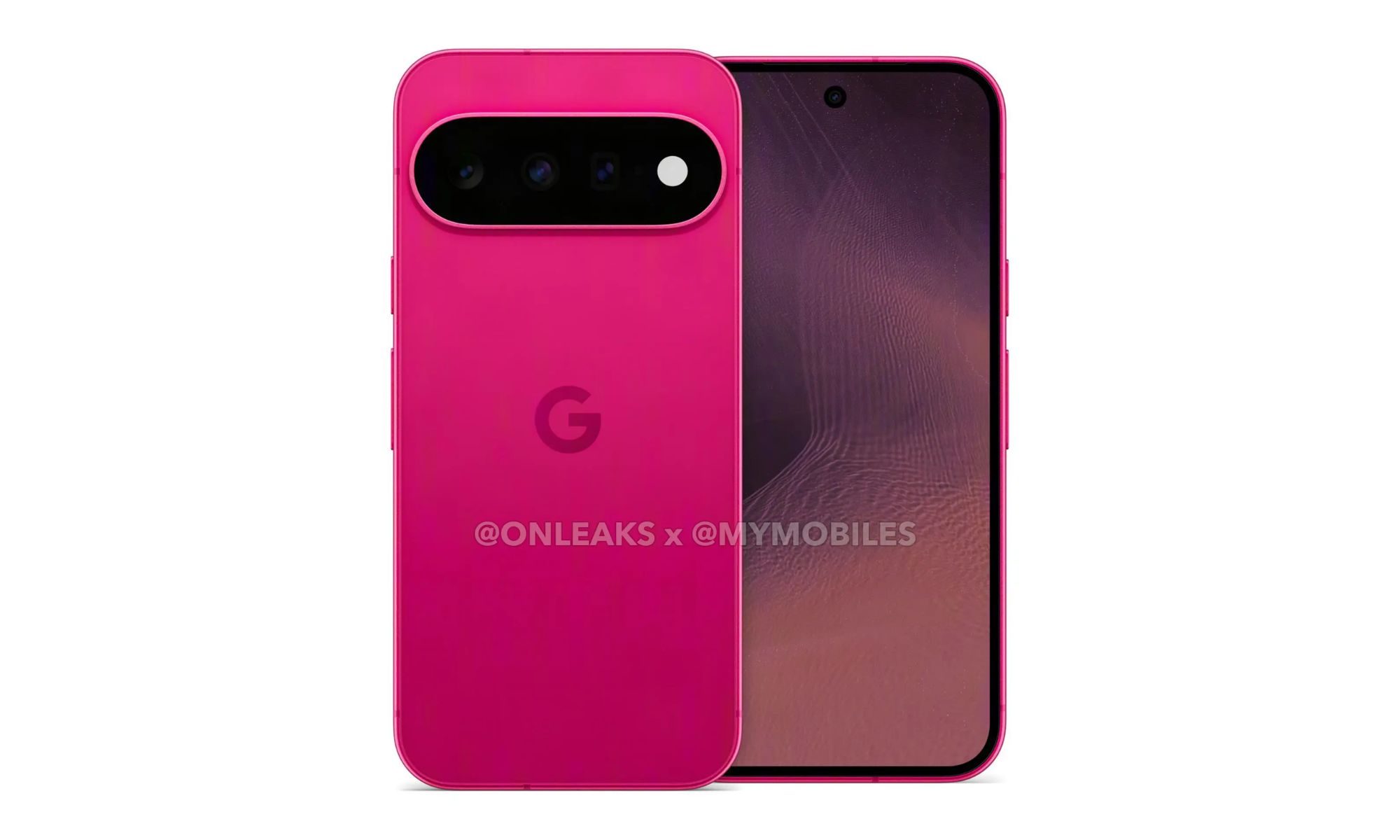
Google's Pixel launches have become increasingly difficult to keep under wraps, and the Pixel 11 series appears to be no exception. Weeks before Google's scheduled August 12 launch event, a fresh leak has revealed what is claimed to be the complete set of official press renders for the Pixel 11, Pixel 11 Pro and Pixel 11 Pro XL, showcasing every colour option across the lineup.

The renders, published by MyMobiles in collaboration with tipster OnLeaks, offer what is arguably the most comprehensive look yet at Google's next flagship family. If authentic, they not only confirm earlier design leaks but also reveal Google's colour strategy for 2026, including a vibrant Fuchsia finish for the standard model and a new copper-inspired "Dune" variant for the Pro series.

Read more
Galaxy Z Flip 8 vs. Motorola Razr Ultra (2026): Samsung’s flip phone is cheaper, but is it better?
One flip phone wins on value. The other wins on hardware.
Electronics, Phone, Mobile Phone

Flip phones have quietly become one of the most competitive corners of the smartphone market. It provides buyers with a satisfying folding snap, reducing the footprint to half the original size, and that’s the entire point. Motorola never really left the format after reviving the Razr name, while Samsung has spent generations treating the Flip line as its scrappy, budget-friendlier sibling to the Fold. 

This year, though, the gap between the two camps has narrowed to the point where picking a winner requires genuinely reading the spec sheet and learning about the phones before putting your money into one. One phone leans hard into raw display firepower, while the other leans into a deeper software ecosystem and a friendlier price tag. 

Read more