1. Home
  2. Phones
  3. Business
  4. Mobile
  5. News

Samsung says it knows why the Galaxy Note 7 exploded — and it's no surprise

Add as a preferred source on Google

A months-long probe into the cause of the spontaneously combusting Galaxy Note 7 devices has revealed … well, what we already suspected. On Sunday, Reuters reported that Samsung had concluded its investigation of its ill-fated flagship phone, and determined that the battery was the main culprit. Seeing as the battery was the part of the handset known to explode, this comes as little surprise.

The official results of Samsung’s inquiry into the matter are likely to be announced on January 23, Reuters reports, which is the day before the South Korean phone manufacturer is slated to announce its fourth-quarter earnings results. According to the publication’s anonymous source, Koh Dong-jin, head of Samsung’s mobile business, is slated to provide details about both the company’s performance in the last part of 2016, as well as what the company will do to ensure that the exploding handset problem doesn’t happen again.

Recommended Videos

The Galaxy Note 7 was first recalled back in September, whereupon 2.5 million devices were ordered to be returned. At that point, the cause of the fire was said to be a manufacturing process issue at Samsung SDI Co. Ltd, one of the phone maker’s suppliers. But when a new batch of smartphones with allegedly safe batteries provided by a different supplier continued to prove problematic, Samsung shut down sales of its highly anticipated phone. This ultimately resulted in a $5.2 billion loss.

Samsung’s official statement on the cause of the Note 7 debacle will be closely monitored as it makes way for the launch of the next flagship handset — the Galaxy S8. That phone is slated to be released sometime in the first half of 2017, and customers will be none too pleased if it meets with the same fate as its predecessor.

“They’ve got to make sure they come clean and they’ve got to reassure buyers as to why this won’t happen again,” said Bryan Ma, Singapore-based analyst for researcher IDC.

We’ll just have to wait one more week to hear what Samsung’s final explanation is for the fiery death of the old Galaxy Note 7.

Lulu Chang
Fascinated by the effects of technology on human interaction, Lulu believes that if her parents can use your new app…
TSMC might set up a price hike that could come straight for your next phone, laptop, or tablet
Here's what TSMC's rumored 10% chip price increase actually means in dollar terms, and why your next phone or laptop could end up costing more.
TSMC Fab

My wallet flinched the second I saw the words "TSMC" and "price increase" in the same headline, and honestly, yours should too.

Turns out the company behind the silicon powering basically every flagship device out there, including Apple’s A-series and Qualcomm’s Snapdragon processors, is reportedly about to make all of it a little pricier.

Read more
Samsung’s free storage doubling for preorders is gone in Austria, and the replacement isn’t as sweet
Samsung's free storage doubling deal might just be history.
The back of the Galaxy Z Fold 7

If you've pre-ordered a Samsung foldable purely for the free storage bump, tomorrow's Unpacked event might sting a little.

For years, pre-ordering a new Galaxy meant automatically getting double the storage at no additional charge. Buy the 128GB model, walk away with 256GB for the same price. The same applied to the 256GB and 512GB models. However, that might change at the upcoming Galaxy Unpacked event. 

Read more
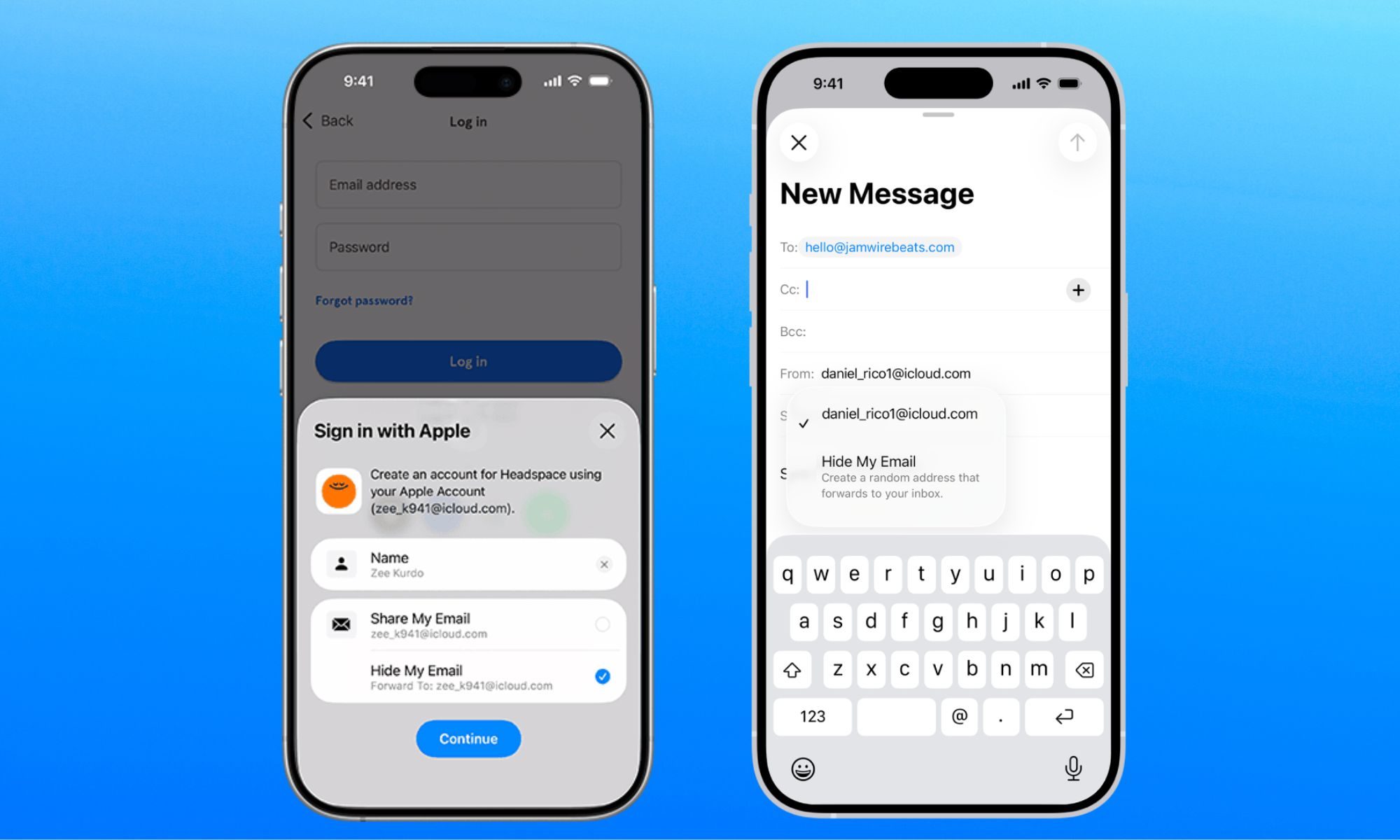
Apple fixes Hide My Email bug that exposed users’ real email addresses
Here's how Apple's Hide My Email flaw leaked real addresses for over a year, and why it only got fixed once the story went public.
apple-merging-sign-in-with-apple-hide-my-email-icloud+

Turns out the "Hide" part of Hide My Email wasn't doing its job quite as advertised, something that I covered early in July. Security researcher Tyler Murphy reported the flaw in June 2025, but despite Apple claiming it was resolved in March 2026, independent tests confirmed it remained exploitable, at least until July 3, 2026.

So how did this bug actually work?

Read more