1. Home
  2. Smart Home
  3. News

Think your hotel room’s heater is ignoring you? You’re probably right

Add as a preferred source on Google

A recent investigation by the Wall Street Journal found that hotel thermostats are often rigged to ignore a visitor’s commands. No matter how much tinkering is done with the temperature of a room, hotels ultimately have the last say in how long an air conditioning or heating unit remains on.

Despite the potential for enraging hotel-goers everywhere, many hotels (including Hilton) think this heavy-handed control actually benefits guests. Because who doesn’t like waking up in the middle of the night either shivering or drenched in sweat?

Recommended Videos

This increase in hotel-controlled thermostats stems from the installation of energy-efficient, motion-detecting systems, which are replacing older mechanical thermostats. Whereas guests could previously physically turn on the air conditioning or heating unit, the current wave of advanced thermostat technology integrates the system completely into the infrastructure of the room itself.

Because of this, the act of using a touchscreen thermostat to change the temperature of a room is often just for show — little to no change actually occurs.

“When it comes to thermostats, the world has evolved,” Hilton’s vice president of operations Randy Gaines told WSJ. “We’re getting far fewer complaints than we used to years ago.”

In theory, Hilton’s focus on passive temperature controls benefits the chain’s guests more than granting them complete control over a room’s thermostat. Restricting a guest’s access to the thermostat also decreases costs associated with hotel maintenance while avoiding a potential disaster if an air conditioning condenser freezes.

Though many may see Hilton’s climate control as a detriment to their hotel experience, the chain isn’t using this power to intentionally make its guests uncomfortable. According to the WSJ, the New York Hilton leans on a thermostat system which keeps unoccupied rooms at around 78 degrees in summer before automatically activating the air conditioning the moment a guest checks in.

The goal is to keep the rooms at a more reasonable 74 degrees by the time the guest opens the door, which takes roughly five minutes. Hilton’s new temperature system allowed it to reduce its energy usage by 14 percent over the past eight years.
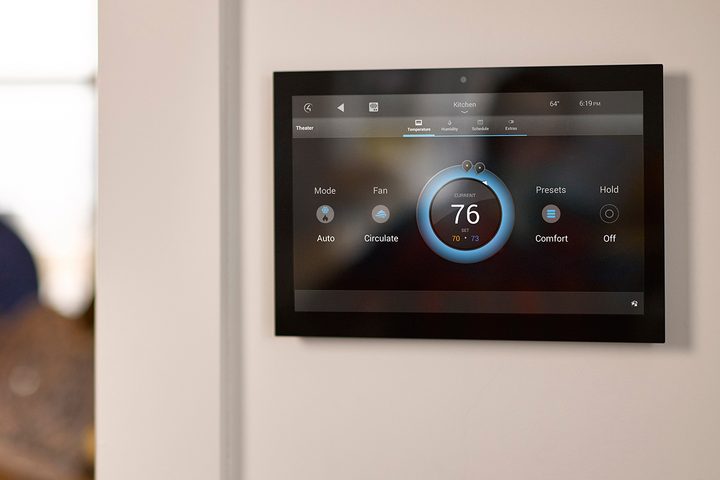
Image used with permission by copyright holder

Despite the apparently well-meaning efforts of companies like Hilton, many guests still prefer to have control over the thermostat. This desire has seen the creation of many “how-to” pieces geared at supplying travelers with methods for overriding a room’s temperature control. Be it a dedicated Tumblr account or a simple forum discussion on one of Disney’s hotel pages, there’s a wide-range of available workarounds.

However, hotels are catching on and are installing blocks of override commands. In rare cases, the hotels are “getting better at programming the devices,” according to the WSJ’s report.

As thermostats grow smarter and hotels further refine their operation, the rigging of room temperatures will likely persist. The WSJ shows that to some hotels’ credit, bad reviews left on sites like Expedia or TripAdvisor were directly responded to by the hotel itself, with a proposed solution in tow.

Hotels aren’t in the business of ticking off guests. If thermostat-gate becomes an epidemic without treatment, it will be the hotels themselves that chose to cannibalize their own industry, which would be an egregious error given the availability of such alternatives as Airbnb or VRBO.

Rick Stella
Former Associate Editor, Outdoor
Rick became enamored with technology the moment his parents got him an original NES for Christmas in 1991. And as they say…
Apple’s long-delayed smart home plans may finally start to take shape this fall
Bloomberg says Apple's long-awaited home hub, along with updated Apple TV and HomePod mini models, could roll out over the coming months.
An Apple HomePod 2023 on a media stand.

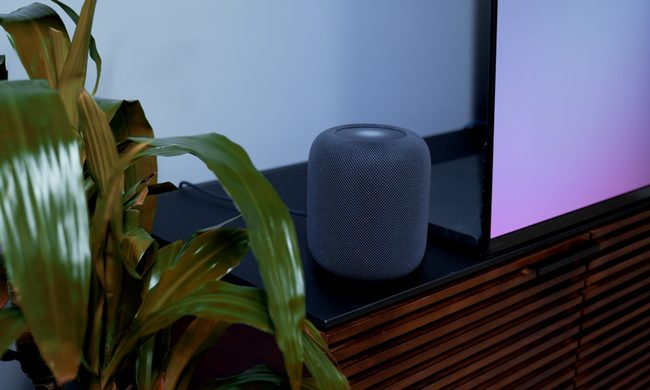
Apple's long-rumored smart home ambitions may finally be ready for prime time. According to Bloomberg's Mark Gurman, Apple is preparing to launch three new home products over the coming months, including a Siri AI-powered smart home hub, a refreshed Apple TV 4K, and an updated HomePod mini. The report pegs the Apple TV and HomePod mini for release this fall, while the new smart home hub is expected to arrive sometime "between October and early next year".

The wait for Apple's AI-powered home may be over soon

Read more
Top Smart Home Upgrades Worth Making Before Your Summer Break
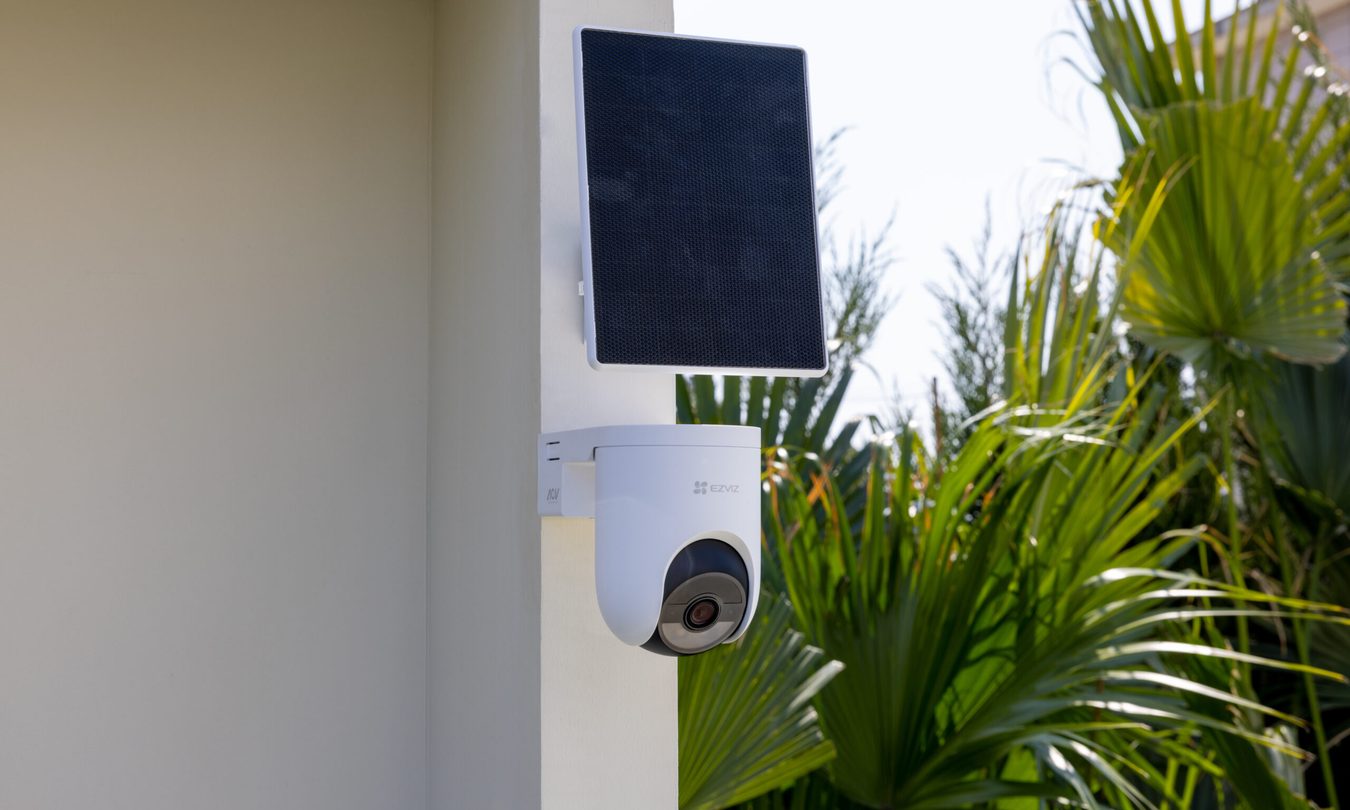
From outdoor monitoring to smarter front-door security, these EZVIZ devices combine smart protection with daily convenience
Person, Security, Electronics

Summer often brings a welcome change of routine for homeowners across Europe. Family holidays, weekend getaways, and longer days spent outdoors mean more time away and fewer opportunities to stay connected to what's happening back at the property. While it's a season for slowing down and enjoying the warmer months, everyday responsibilities don't simply pause. Deliveries still arrive, visitors may stop by unexpectedly, and trusted family members, cleaners, or pet sitters may occasionally need access while you're away.

Modern smart home technology makes those situations easier to manage. Today's connected devices can do far more than record footage or send motion alerts. They can help homeowners monitor outdoor spaces around the clock, stay informed about important activity, communicate with visitors remotely, and manage entry without needing to be physically present. Instead of constantly checking in or wondering whether everything is running smoothly back home, the right setup can provide greater visibility, convenience, and peace of mind throughout the season.

Read more
EZVIZ Sets a New Benchmark for Battery Powered Home Surveillance
Because every property deserves protection without compromise
Person, Security, Tape

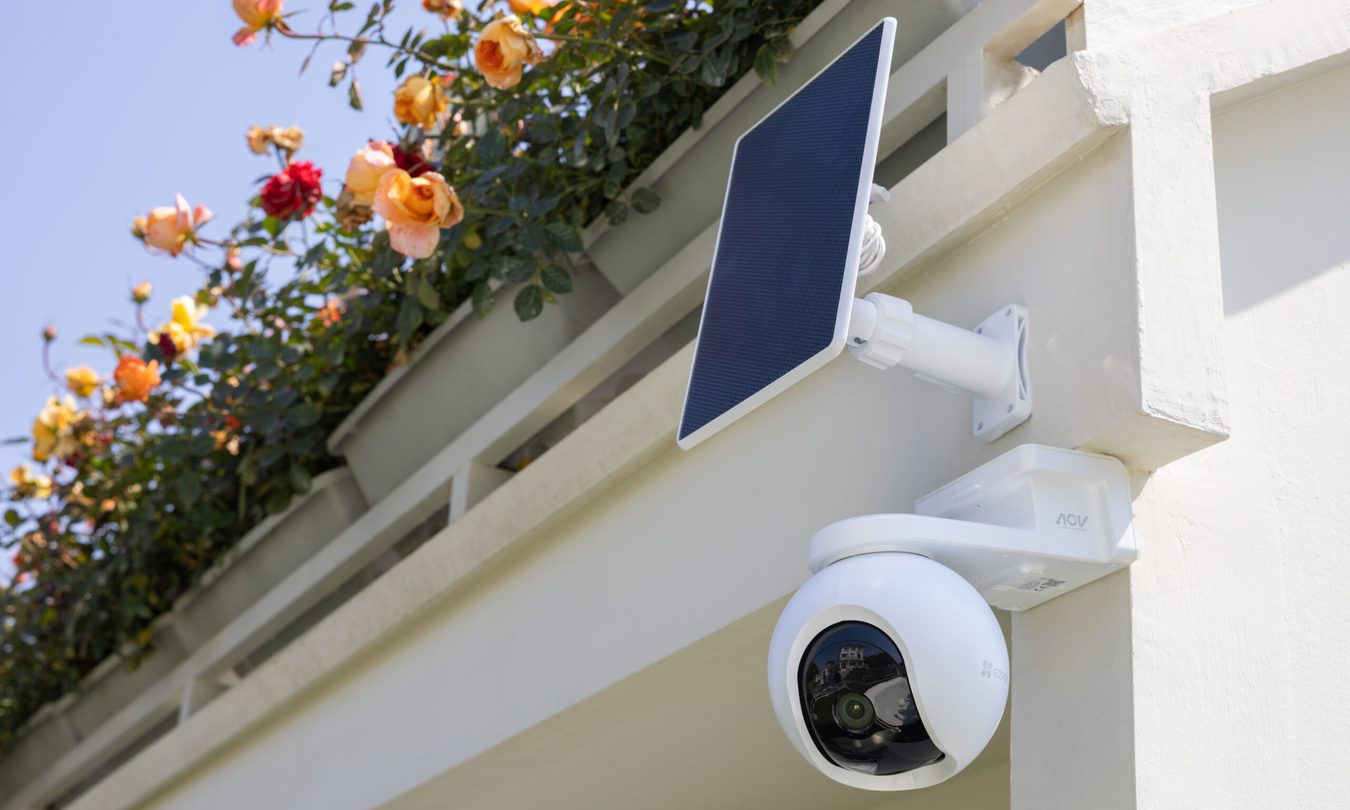
Battery-powered smart cameras have become one of the fastest-growing categories in home monitoring. Once valued primarily for their seamless installation, today's models combine advanced visual technology, AI-powered intelligence, and dependable long-term performance that rivals many traditional wired systems. As innovations such as Always On Video 2.0 and solar charging continue to improve everyday usability, battery cameras are becoming the preferred choice for homeowners seeking flexible, comprehensive outdoor protection.

This shift has also raised expectations. Modern users want more than clear video. They expect smart detection, reliable monitoring, seamless smart home integration, and solutions that adapt to different property sizes and lifestyles. As one of the world's leading smart home camera brands, EZVIZ has responded by building one of the industry's most comprehensive portfolios of battery-powered cameras. The lineup is designed to serve every living situation, whether for renters or owners of apartments, condominiums, or villas. From accessible options for everyday monitoring to advanced multi-lens systems for larger and more demanding environments, the portfolio reflects a strong focus on innovation, user-centric design, and real-world needs.

Read more