1. Home
  2. Cars
  3. Smart Home
  4. News

Tesla is sending hundreds of Powerwall batteries to storm-ravaged Puerto Rico

Add as a preferred source on Google

Puerto Rico is still dealing with the widespread damage of Hurricane Maria that hit earlier this month. The entire island has lost electrical power, and millions do not have access to basic needs that power would provide. In response to this, Tesla is helping to restore electrical power by shipping over hundreds of its Powerwall batteries, reports Bloomberg.

There are Tesla employees on the ground in Puerto Rico installing the batteries, repairing solar panels, and working to coordinate efforts with local organizations. This has all been going on ever since the storm cleared. The Powerwall battery, first introduced two years ago, is designed for homes that store energy generated from solar panels. In addition, Tesla CEO Elon Musk has personally donated $250,000 to the relief effort in Puerto Rico.

Recommended Videos

Governor Ricardo Rosselló believes it could take months for power to fully be restored. “It depends on the damage to the infrastructure,” he told Anderson Cooper. “I’m afraid it’s probably going to be severe. If it is … we’re looking at months as opposed to weeks or days.”

A Tesla spokesperson has also confirmed that the company is still sending out shipments of the Powerwall batteries to the island. After Hurricane Irma hit Puerto Rico, one million people were left without power. Nearly 60,000 people were already without power as soon as Hurricane Maria hit.

High-priority buildings such as hospitals are currently being powered by generators. The Powerwall batteries are certainly going to be helpful, as the island of Puerto Rico is working on restoring its electrical grid.

Tesla also recently helped Florida residents in need during Hurricane Irma. The Palo Alto car and energy company remotely upgraded the batteries of every Model S 60 and Model X 60 vehicle with 60-kilowatt hour and 70-kwh battery packs registered in the state. This allowed those with Tesla vehicles to evacuate the area more easily.

Tesla is further expanding its influence in homes, as it set up a tour of its Tiny House through Australia.

Meanwhile, Tesla’s bread and butter is still in the automotive industry, and its highly anticipated Model 3 is expected to debut in 2018. Tesla’s electric semitruck will be unveiled in October.

Stephen Jordan
Former Digital Trends Contributor
Stephen is a freelance writer and blogger, as well as an aspiring screenwriter. Working in front of a computer and digesting…
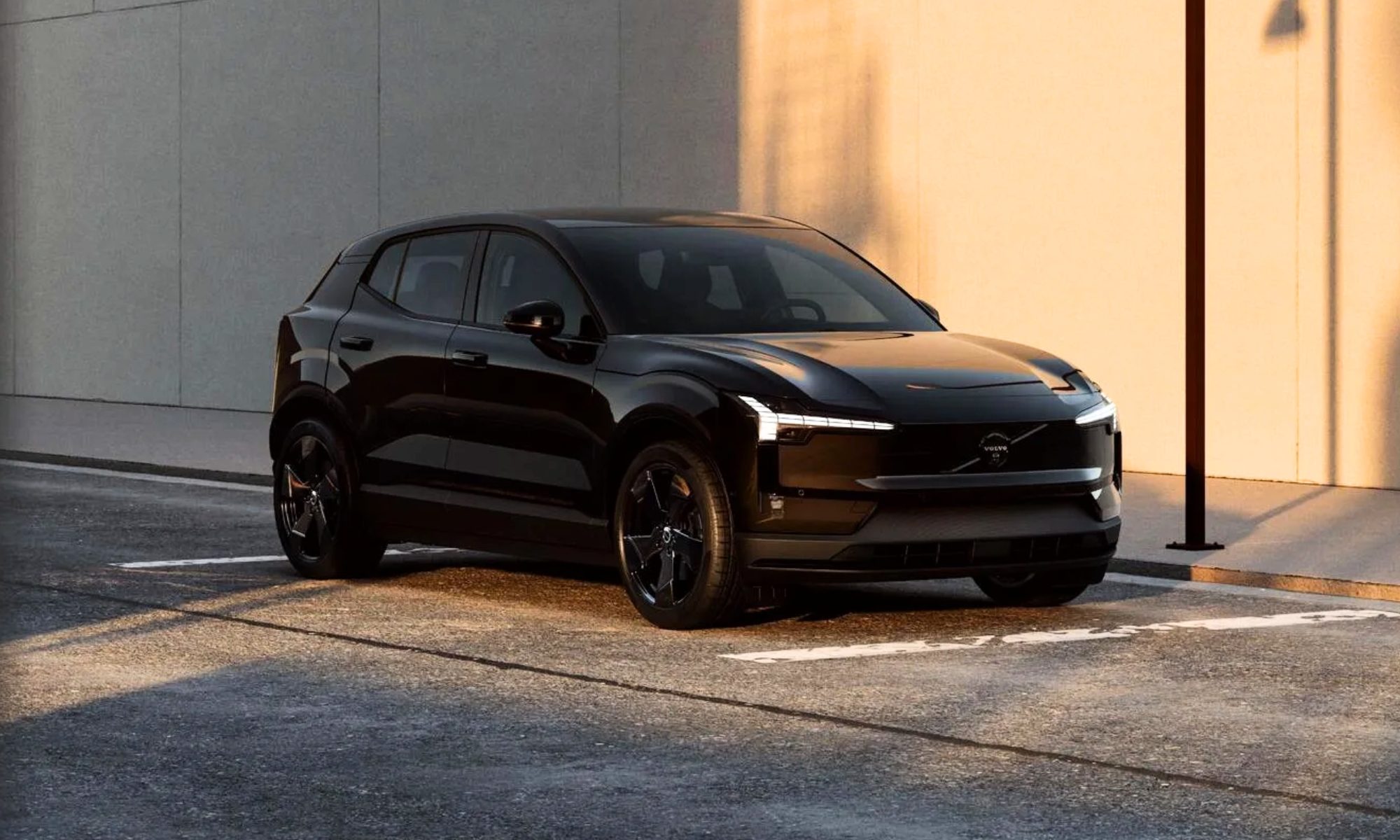
Volvo’s purported EX50 could be the budget-friendly plot twist nobody saw coming
Volvo's next electric SUV could shake up the EX lineup with more room and a smaller price tag.
Volvo EX30 front profile.

Volvo’s electric lineup needed a genuinely affordable entry point, and a new report suggests that buyers might actually get one. 

According to a new Automotive News report, Volvo is quietly working on a compact electric crossover, called the EX50. It will be aimed at replacing the dated EX40 in the US sometime in 2027. 

Read more
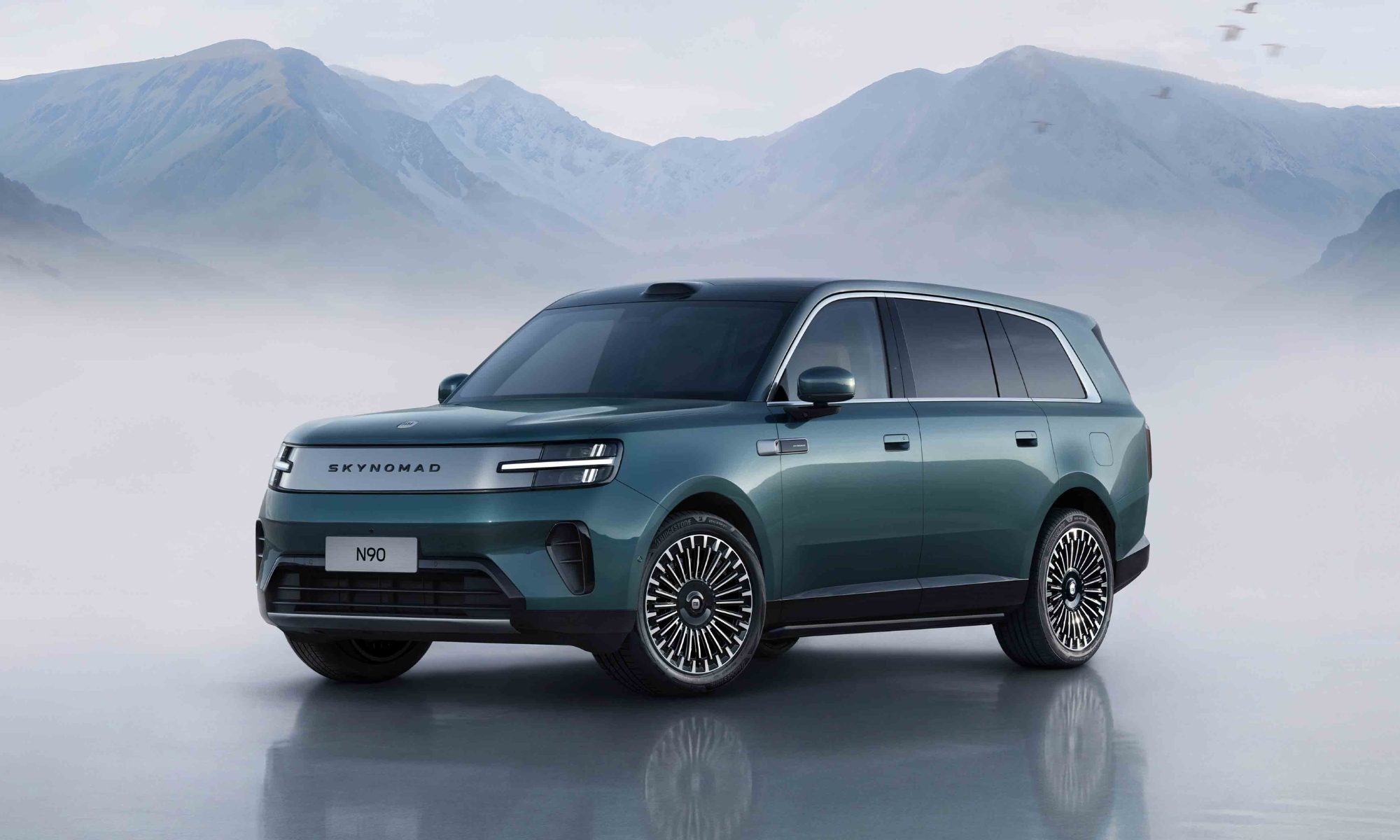
Xiaomi just launched an SUV with seven seats and a bedroom upstairs
Xiaomi’s SkyNomad SUV could replace your car, office, lounge, and tent
Skynomad

Xiaomi’s new family SUV is basically a house on wheels with enough claimed range to cover more than 1,000 miles. It also costs considerably less than its outlandish feature list might suggest. The company has officially launched the SkyNomad N90 Max in China for 299,900 yuan, equivalent to roughly $44,400 through direct conversion.

Preorders are open now, with the first vehicles expected to reach customers in September. The converted figure provides useful context, though it does not represent pricing outside China. Xiaomi describes the seven-seat flagship as a “house you can move.” This unusually grand pitch starts making sense once you see what happens inside.

Read more
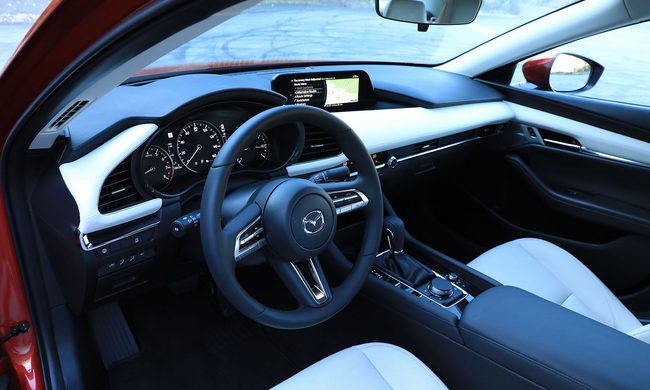
Mazda chief says the MX-5 Miata could go electric
2019 Mazda Mazda3 AWD review

For years, the idea of an electric Mazda MX-5 Miata felt almost impossible. The little roadster has always been celebrated for one thing above everything else: keeping things light. Add a heavy battery pack into the equation, and many enthusiasts assumed the Miata's trademark driving character would disappear along with it.

Mazda, however, appears to have changed its mind. In an interview with German publication auto motor und sport, Mazda CEO Masahiro Moro confirmed that the next-generation MX-5 is being developed with the possibility of an all-electric version in mind. It doesn't mean the iconic roadster is abandoning gasoline anytime soon. Still, it does suggest Mazda wants the Miata to survive in a future where internal combustion engines may no longer be an option.

Read more