1. Home
  2. Phones
  3. Android
  4. Mobile
  5. News

Pixel 3, Pixel 3a slowdowns reportedly caused by Google’s Digital Wellbeing

Add as a preferred source on Google

Some Pixel 3 and Pixel 3a owners who have complained of slowdowns on their smartphones are reportedly seeing significant improvements after they deactivate Google’s Digital Wellbeing feature.

A thread on the Google Pixel sub-Reddit is filled with comments of Pixel smartphone owners, not just Pixel 3 and Pixel 3a but also some older models, who immediately experienced a drastic change in their devices upon turning off Digital Wellbeing, particularly in terms of stuttering and frame rates.

Recommended Videos

Google launched Digital Wellbeing with Android 9 Pie last year as one of the major features of the latest version of its mobile operating system. Often compared to Apple’s Screen Time in iOS 12, the feature runs in the background to collect data on how long people use their smartphone and its individual apps each day. In Dashboard, the allowed usage time per day may be set for specific apps, while Wind Down makes the display go gray-scale and activates Do Not Disturb mode to help prepare for bedtime.

However, if Digital Wellbeing is indeed slowing down Pixel smartphones, the feature will likely be shunned by owners of the devices in favor of a better user experience. Google will be making improvements with a new Focus mode, but while it may be helpful to those who are looking to control their smartphone usage, Pixel owners will not put up with a slower smartphone just to keep the app running in the background.

Google has not yet acknowledged reports on Digital Wellbeing supposedly causing Pixel smartphone slowdowns, so the connection between the two is so far unconfirmed. In the meantime, Pixel smartphone owners who are experiencing performance problems with their devices may want to try turning off the feature to see if it will help.

To deactivate the feature, Pixel owners should go into the Settings menu of their smartphones and choose Digital Wellbeing. Tapping the three-dot icon at the top right will bring up the option to Turn off usage access, which will be confirmed in the next screen by switching off the Permit usage access option for the feature. Doing this will delete the data on the app within 24 hours.

Aaron Mamiit
Aaron received an NES and a copy of Super Mario Bros. for Christmas when he was four years old, and he has been fascinated…
TSMC might set up a price hike that could come straight for your next phone, laptop, or tablet
Here's what TSMC's rumored 10% chip price increase actually means in dollar terms, and why your next phone or laptop could end up costing more.
TSMC Fab

My wallet flinched the second I saw the words "TSMC" and "price increase" in the same headline, and honestly, yours should too.

Turns out the company behind the silicon powering basically every flagship device out there, including Apple’s A-series and Qualcomm’s Snapdragon processors, is reportedly about to make all of it a little pricier.

Read more
Samsung’s free storage doubling for preorders is gone in Austria, and the replacement isn’t as sweet
Samsung's free storage doubling deal might just be history.
The back of the Galaxy Z Fold 7

If you've pre-ordered a Samsung foldable purely for the free storage bump, tomorrow's Unpacked event might sting a little.

For years, pre-ordering a new Galaxy meant automatically getting double the storage at no additional charge. Buy the 128GB model, walk away with 256GB for the same price. The same applied to the 256GB and 512GB models. However, that might change at the upcoming Galaxy Unpacked event. 

Read more
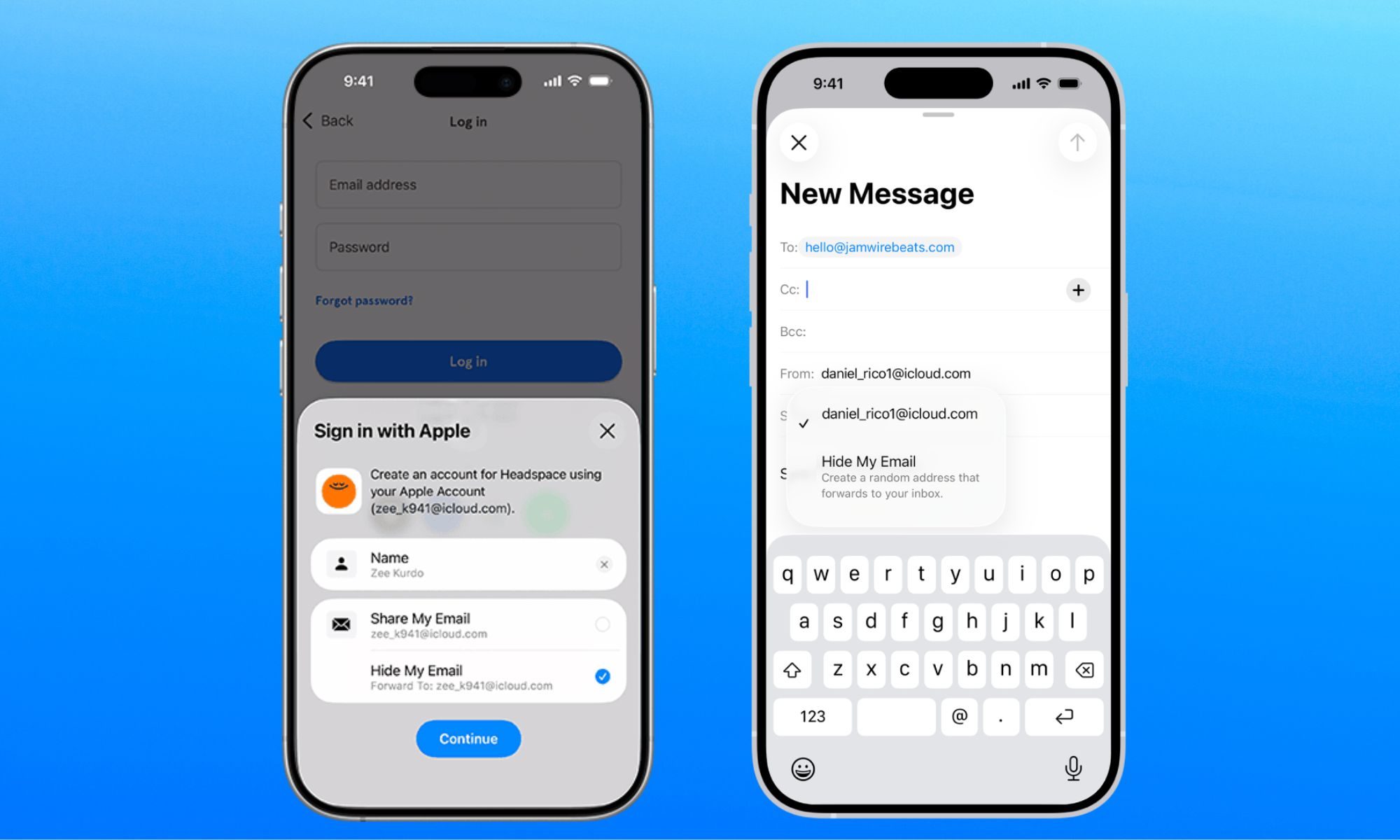
Apple fixes Hide My Email bug that exposed users’ real email addresses
Here's how Apple's Hide My Email flaw leaked real addresses for over a year, and why it only got fixed once the story went public.
apple-merging-sign-in-with-apple-hide-my-email-icloud+

Turns out the "Hide" part of Hide My Email wasn't doing its job quite as advertised, something that I covered early in July. Security researcher Tyler Murphy reported the flaw in June 2025, but despite Apple claiming it was resolved in March 2026, independent tests confirmed it remained exploitable, at least until July 3, 2026.

So how did this bug actually work?

Read more