  1. Home
  2. Cars
  3. Emerging Tech
  4. News

Flyboard Air inventor plans to unveil 250-mph flying sports car by 2020

Add as a preferred source on Google
Franky Zapata

After winning jet-ski competitions all over the world and boldly flying across the English Channel on a hoverboard he designed and built, inventor Franky Zapata wants to land in the automotive industry by pioneering the flying sports car segment. It sounds like a pipe dream or a cool movie prop at best, but the 40-year-old Frenchman is already testing prototypes, and he plans to unveil his wildest creation yet in the coming months.

“I need to finish building my flying car, I need to introduce it before the end of the year. I’m going to go home, take a little vacation, and then — with the help of my team — work on it nonstop to make sure it’s ready in time,” Zapata told French news station BFM TV after successfully crossing the English Channel on his Flyboard Air hoverboard.

Recommended Videos

The list of companies that have embarked on million-dollar attempts to make cars fly is nearly endless, but Zapata’s past accomplishments put him in a better position than most to pull it off. Besides, he’s not interested in locking horns with Uber for a slice of the burgeoning flying taxi segment; he wants to create a flying performance car.

He revealed he been quietly developing a flying car powered by an evolution of the technology found in his Flyboard Air for some time, and added its basic chassis has already flown above a test track, but the French Civil Aviation Authority (DGAC) hasn’t given him permission to explore the skies with it yet. He expects to receive permission by the end of August 2019. The DGAC’s proverbial nod of approval will let Zapata’s team significantly speed up the development process.

Technical specifications remain under wraps, but Zapata explained the prototype chassis he flew above a test facility near Marseilles in the south of France was powered by four gas turbines. The final production version he plans to build will use 10 turbines, a layout that will allow it to carry more weight while going faster. Once airborne, it will be able to cruise between 190 and 250 mph, and it will have a driving range of about 70 miles.

We don’t know what it will look like yet, or how many passengers it will be able to carry. It sounds like the design phase is done, though. Zapata’s yet-unnamed car will head to the body shop for paint and minor work during the first half of August 2019, so we’re hoping to see it sooner rather than later.

Ronan Glon
Ronan Glon is an American automotive and tech journalist based in southern France. As a long-time contributor to Digital…
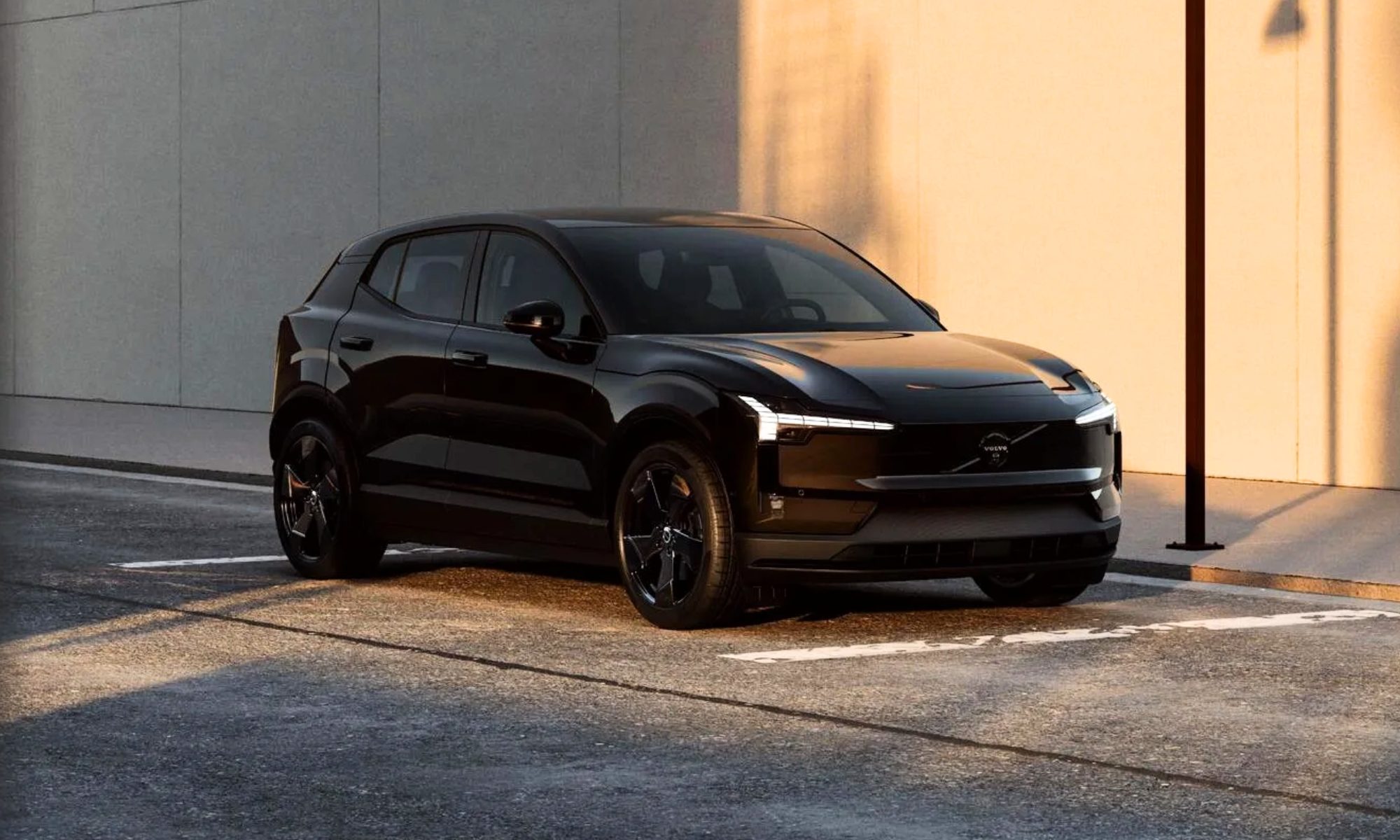
Volvo’s purported EX50 could be the budget-friendly plot twist nobody saw coming
Volvo's next electric SUV could shake up the EX lineup with more room and a smaller price tag.
Volvo EX30 front profile.

Volvo’s electric lineup needed a genuinely affordable entry point, and a new report suggests that buyers might actually get one. 

According to a new Automotive News report, Volvo is quietly working on a compact electric crossover, called the EX50. It will be aimed at replacing the dated EX40 in the US sometime in 2027. 

Read more
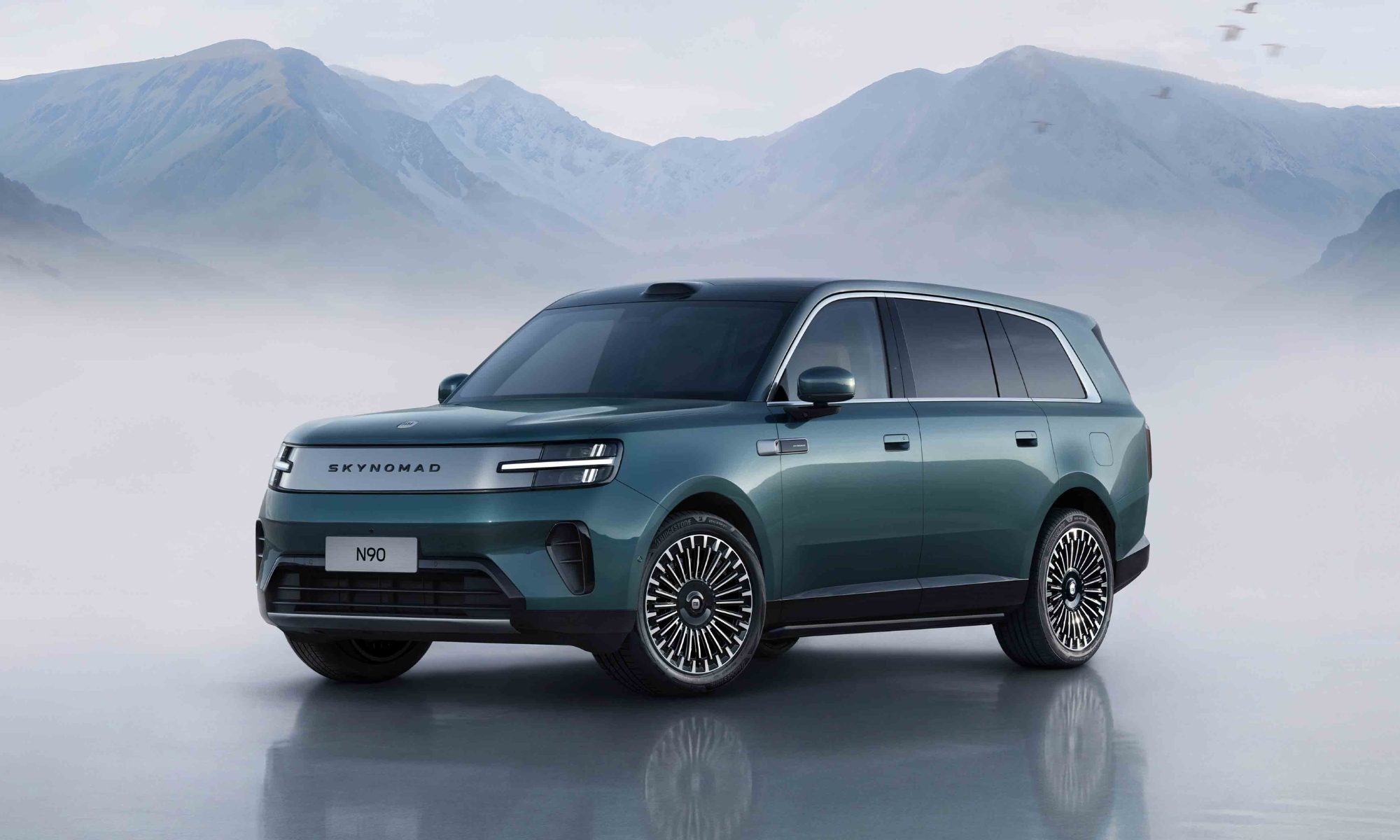
Xiaomi just launched an SUV with seven seats and a bedroom upstairs
Xiaomi’s SkyNomad SUV could replace your car, office, lounge, and tent
Skynomad

Xiaomi’s new family SUV is basically a house on wheels with enough claimed range to cover more than 1,000 miles. It also costs considerably less than its outlandish feature list might suggest. The company has officially launched the SkyNomad N90 Max in China for 299,900 yuan, equivalent to roughly $44,400 through direct conversion.

Preorders are open now, with the first vehicles expected to reach customers in September. The converted figure provides useful context, though it does not represent pricing outside China. Xiaomi describes the seven-seat flagship as a “house you can move.” This unusually grand pitch starts making sense once you see what happens inside.

Read more
Mazda chief says the MX-5 Miata could go electric
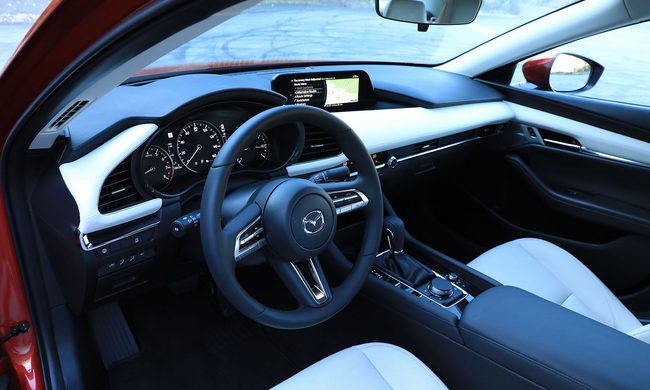
2019 Mazda Mazda3 AWD review

For years, the idea of an electric Mazda MX-5 Miata felt almost impossible. The little roadster has always been celebrated for one thing above everything else: keeping things light. Add a heavy battery pack into the equation, and many enthusiasts assumed the Miata's trademark driving character would disappear along with it.

Mazda, however, appears to have changed its mind. In an interview with German publication auto motor und sport, Mazda CEO Masahiro Moro confirmed that the next-generation MX-5 is being developed with the possibility of an all-electric version in mind. It doesn't mean the iconic roadster is abandoning gasoline anytime soon. Still, it does suggest Mazda wants the Miata to survive in a future where internal combustion engines may no longer be an option.

Read more