If you want to make a gamer’s head spin, compare a video game to The Legend of Zelda: Breath of the Wild. Since the game launched in 2017, the Nintendo Switch game has become a popular point of comparison when describing other open-world games. It’s almost a meme at this point, approaching “It’s the Dark Souls of…” levels of cliché.
Sometimes, the comparison can be a bit shallow. Breath of the Wild reinvented the open-world genre, but not every game that’s come out after it builds on its ideas. Developers still largely create games cut from the Ubisoft “map game” mold. Simply saying that any new open-world game bears a resemblance to Breath of the Wild is like saying that any 2D platformer is like Super Mario Bros. Even if it’s technically true, it’s not exactly helpful.
That said, Breath of the Wild has a specific design philosophy that sets it apart from other open-world games. When its name is invoked while talking about games like Genshin Impact or Sonic Frontiers, it’s for good reason. There are three key ideas present in Breath of the Wild that have had a clear impact on the industry in the past four years.
Mobility
Before Breath of the Wild, traversing an open world could be a pain. Players could walk around or get in a vehicle, but mobility tended to be limited. If you wanted to climb a mountain in The Elder Scrolls V: Skyrim, you’d often need to force your way up it on the back of a horse, essentially exploiting the game.
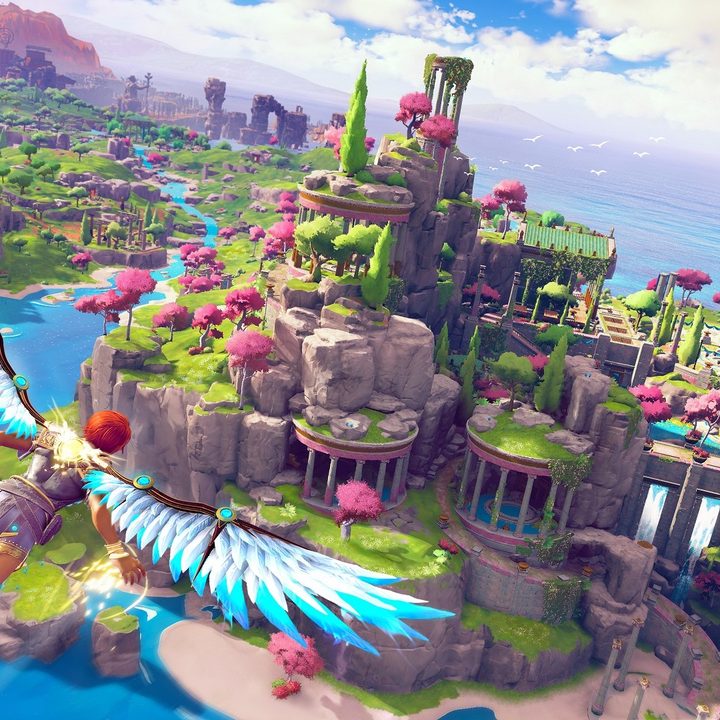
Breath of the Wild’s biggest innovation was giving players true freedom when it comes to movement. That meant allowing Link to climb any surface (so long as he had the stamina) or use his sailcloth to glide across the map. Ideas like that broke the genre open, pushing developers to rethink how players interact with the world. We’ve since seen the climbing mechanic turn into a key part of games like Immortals Fenyx Rising, putting extra thought into vertical design
Not every game has taken that cue though. Ghost of Tsushima largely sticks to traditional, horizontal movement. Jin mostly walks and explores on horseback, largely tethering him to the ground. Horizon Zero Dawn is similarly grounded, with Aloy only being able to climb cliffs if there’s an Uncharted-esque series of ledges. On the other hand, its upcoming sequel, Horizon Forbidden West, is introducing a sailcloth, indicating that Sony may have taken some notes from Nintendo this time around.
Exploration
Exploration is a key part of any open-world game, but Breath of the Wild handles it very differently than, say, Assassin’s Creed. In a traditional “Ubisoft-style” game like Far Cry 6, players get a giant map that’s riddled with icons. These act as points of interest, guiding players from one activity to the next. It creates a hook where players constantly have a waypoint to follow. It isn’t so much freeform exploration as it is following a treasure map to the X.
Breath of the Wild takes the opposite approach. Its map is largely empty at the start of the adventure. Rather than scanning a map for icons, players have to investigate the world itself and manually mark or track spots they want to explore. As they discover shrines or Koroks, the map fills up with icons that represent their discoveries. It’s not a road map, but a record of what players have accomplished. It’s a key difference that encourages players to go off the beaten path to find secrets.
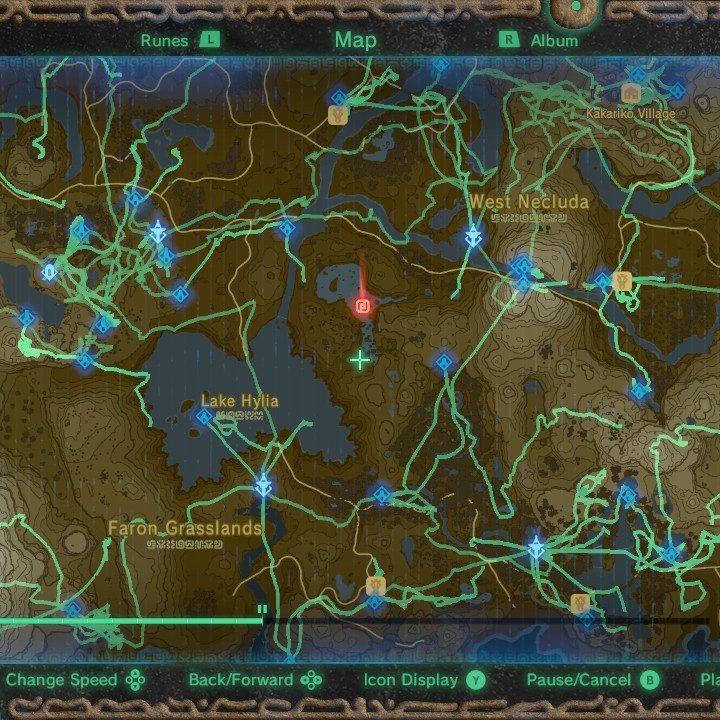
That philosophy is present in the upcoming Elden Ring. Areas like caves or outposts only become visible on the map after players have found them. After finding a special spot, they can fast travel to it at any time, almost as a useful reward for their curiosity. When I played Elden Ring’s closed network test, more of my time in it was spent looking at the scenery than poking through menus. Zelda may not have been the first game to adopt that philosophy, but it certainly spurred a sea change in how developers approach exploration.
Experimentation
Freedom is a slippery word in some open-world games. While players can “go anywhere,” what they can actually do in the world is somewhat limited. Marvel’s Spider-Man includes a limited amount of moves and gadgets, giving the webslinger a strict toolset. Players can craft some heroic combos, but you don’t exactly see viral clips of people interacting with digital New York in new ways.
Breath of the Wild, on the other hand, is a true sandbox experience. Link doesn’t have a skill tree or even a persistent loadout aside from his core abilities. Instead, he can pick up and use any number of tools during his adventure – or even turn the environment itself into a weapon. Over four years later, I still routinely find videos of players pulling off tricks I didn’t think were possible in the game. The first time I saw someone using Magnesis to construct a flying machine that could transport Link across the map, I knew that Breath of the Wild was doing something no open-world game had really accomplished.
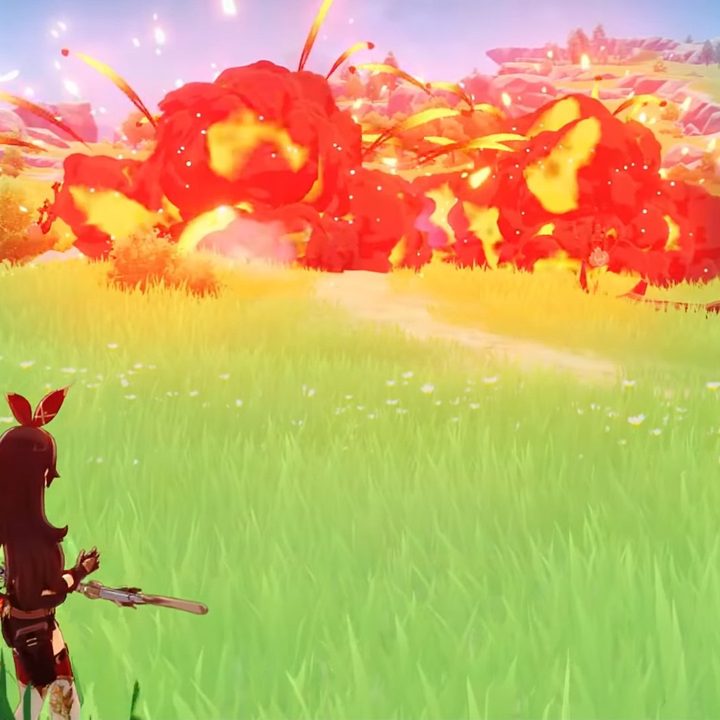
The level of experimentation almost makes it more akin to something like Minecraft, putting an emphasis on creativity. Most of my friends haven’t even finished the main questline to this day. They’re more invested in finding out how many ways they can skin a Moblin than thwarting Calamity Gannon. That’s not dissimilar to spending hours in Genshin Impact trying out different characters and combining abilities.
A game doesn’t need to nail all three of these points to earn a comparison to Breath of the Wild. There’s a “you know it when you see it” element to it as well. Sonic Frontiers quite literally looks like someone modded Sonic into Hyrule, with its trailer even mimicking Zelda’s ambient piano score. The influence is clear, but the more you break down Breath of the Wild’s core design philosophy, the clearer it is that the wave of comparisons isn’t just about aesthetics.