Gamers aren’t fans of NFTs. Whether it’s because of their environmental impact, pay-to-win implications, or rampant fraud in the space, it’s clear that many people don’t want NFTs in their video games. Despite that, companies and people related to gaming have tried to get into the NFT and blockchain space.
As a result, the backlash against many of these announcements is extreme. While some companies remained undeterred, others have canceled NFT integration outright. Some developers have even shut down or ended support for games with NFTs. As the amount of NFT-related cancellations and backtracking is growing, we’ve rounded up every gaming-related NFT project that’s been canceled, shut down, or walked back since the trend began in late 2021.
Discord
The first notable NFT integration cancellation in the gaming space involved Discord, which many people use to chat while playing games. On November 8, 2021, Discord Founder and CEO Jason Citron tweeted an image showing the crypto wallet service MetaMask integrated into Discord.
probably nothing pic.twitter.com/p4P6MoNGgd
— Jason Citron (@jasoncitron) November 8, 2021
Discord users immediately responded to the post with vitriol, and Citron confirmed that Discord did not plan to move forward with this integration just two days later. “Thanks for all the perspectives everyone,” he said. “We have no current plans to ship this internal concept. For now we’re focused on protecting users from spam, scams, and fraud. Web3 has lots of good, but also lots of problems we need to work through at our scale.”
S.T.A.L.K.E.R. 2
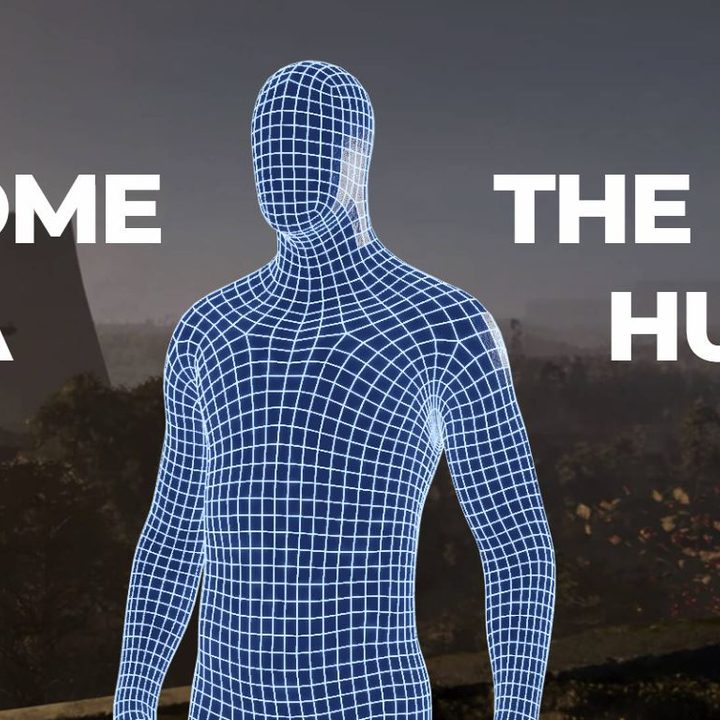
On December 15, 2021, developer GSC Game World announced it would partner with DMarket to put NFTs in the highly anticipated shooter S.T.A.L.K.E.R. 2: Heart of Chernobyl. The game was going to let players use cryptocurrency to buy items and let some people scan themselves and get put into the game as a “metahuman.”
While GSC Game World initially defended the choice, the announcement was met with so much hate that the developer canceled the initiative the next day. “We hear you,” its statement reads. “Based on the feedback we received, we’ve made a decision to cancel anything NFT-related in S.T.A.L.K.E.R. 2. The interests of our fans and players are the top priority for the team. We’re making this game for you to enjoy — whatever the cost is. If you care, we care too.”
This was the most ambitious mainstream gaming NFT integration that we’ve seen yet, and even then, people didn’t like it. It demonstrates that there will always be some backlash against NFT announcements, even when it’s doing something unique in-game.
Sega
Sega hasn’t officially canceled any NFT projects (it even trademarked “Sega NFT” and “Sega Classics NFT Collection”). That said, its CEO admitted that Sega would consider not using NFTs if their only use is for players to make money.
“There have been many announcements about this already … but there are users who shows negative reactions at this point,” CEO Haruki Satomi said in a December 2021 management meeting. “We need to carefully assess many things, such as how we can mitigate the negative elements, how much we can introduce this within the Japanese regulation, what will be accepted, and what will not be by the users. Then, we will consider this further if such efforts are in line with our mission of ‘Constantly Creating, Forever Captivating,’ but if they are perceived as being a move to simply make money, then we would like to consider the position of letting go of the idea.”
Satomi’s statement is more tepid than it was a month earlier when he said that “we are considering M&A and investment in new fields such as NFT” in a results briefing. Terms like metaverse, blockchain, and NFTs are buzzwords for investors, but the flaws of NFTs and most people’s genuine dislike of them finally seem to have caught the attention of those in charge of companies like Sega.
Troy Baker
Famous game voice actor Troy Baker announced his partnership with Voiceverse, a company planning to sell actors’ voices as NFTs, on January 14. While he said he was interested because he wanted to make his voice more readily available to small creators, the aggressive wording of his tweet drew the ire of anyone who didn’t like NFTs.
“I’m partnering with @VoiceverseNFT to explore ways where together we might bring new tools to new creators to make new things, and allow everyone a chance to own & invest in the IP’s they create,” his tweet read. “We all have a story to tell. You can hate. Or you can create. What’ll it be?”
Baker’s foray into NFTs was immediately met with widespread hatred, and he apologized for the tweet’s wording later that day. After discussing the debacle on the Play, Watch, Listen podcast, Baker ended his partnership with Voiceverse on January 31, 2022. “Thank you all for your feedback and patience,” he tweeted. “After careful consideration, I’ve decided to not continue the partnership with VoiceverseNFT. Intentions aside, I’ve heard you and apologize for accusing anyone of ‘hating’ just by simply disagreeing with me.”
Team17
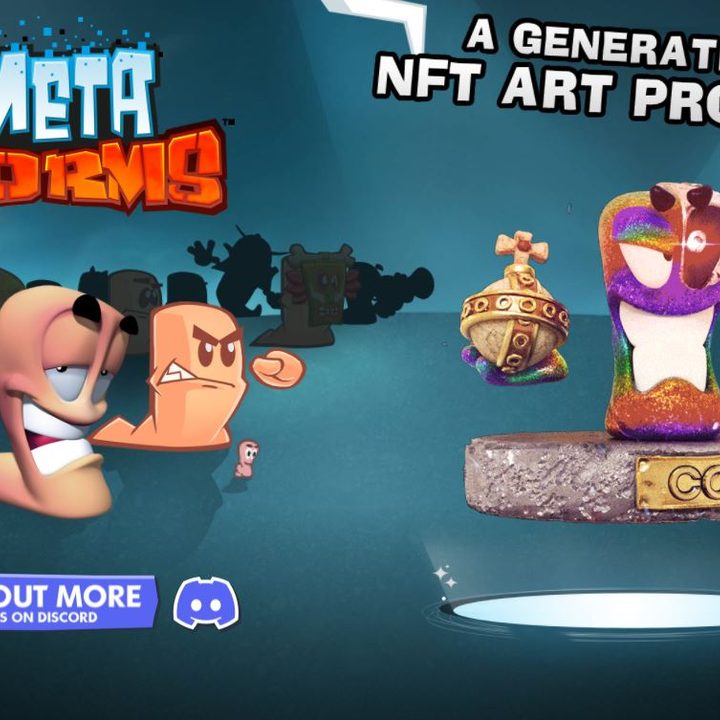
Like GSC Game World, Team17 backtracked on its NFT initiative within a day. On January 31, Team17 unveiled MetaWorms NFTs, based on its popular Worms franchise. It tried to frame the announcement as environmentally friendly, but its association with Ethereum meant the claims of environmental friendliness were naïve at best. It also didn’t address the concerns of those who still don’t think NFTs are anything more than a useless grift.
After the announcement, Eurogamer reported that there was disapproval for MetaWorms from within Team17. Former development partners like Going Under’s Aggro Crab, Yooka-Laylee’s Playtonic Games, and Overcooked’s Ghost Town Games all denounced MetaWorms over the next day. While Team17’s initial response was to say it wouldn’t put NFTs in its games, it eventually caved in and canceled MetaWorms on February 1.
“Team17 is today announcing an end to the MetaWorms NFT project,” the British indie game publisher tweeted. “We have listened to our Teamsters, development partners, and our games’ communities, and the concerns they’ve expressed, and have therefore taken the decision to step back from the NFT space.” This situation shows that criticism of NFTs goes beyond just their environmental impact and play-to-earn-and-win implications.
EA
In the same vein as Sega, EA also seems to be less gung ho about NFTs now than it was last year, even if it hasn’t announced or canceled anything NFT-related. In a November 3, 2021 earnings call, CEO Andrew Wilson said that “in the context of the games that we create and the live services that we offer, collectible digital content is going to play a meaningful part in our future.” While this statement might have enticed potential investors at the time, Wilson’s comments on NFTs in a February 1, 2022 earnings call were much less assertive. He focused more on the “collectability” aspect of NFTs rather than the technology itself.
“I believe that collectability will continue to be an important part of our industry and the games and experiences that we offer our players. Whether that’s as part of NFT and the blockchain, well, that remains to be seen,” he said.” And I think the way we think about it is we want to deliver the best possible player experience we can. And so we’re going to — we’ll evaluate that over time, but right now, it’s not something that we’re driving hard against.”
F1 Delta Time
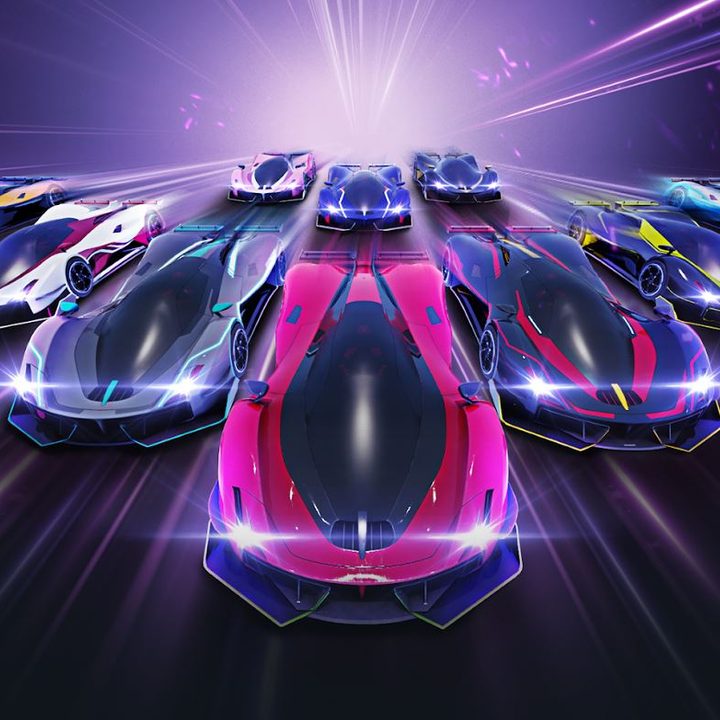
F1 Delta Time from Animoca Brands was one of the first NFT video games to get lots of attention and support. But now, Animoca Brands lost the F1 license, so the game is being shut down.
Animoca Brands made up for the shutdown by offering replacement cars and other bonuses within the “REVV Motorsport ecosystem” that F1 Delta Time used. Still, it shows how volatile the NFT market is, especially in games. There’s no guarantee that the game your NFT is for will ever be supported in a year two, so it’s really just not worth the investment.
Ghost Recon Breakpoint
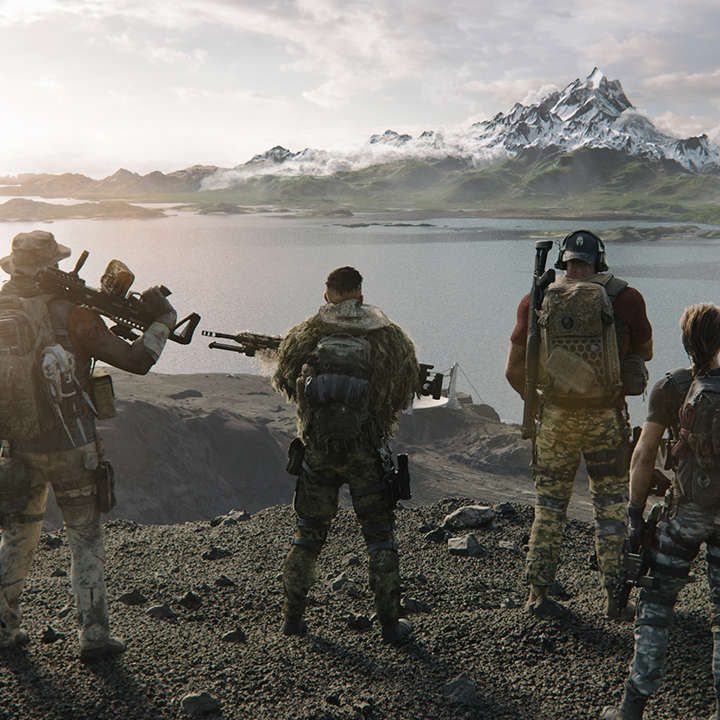
Ubisoft was met with quite a bit of backlash when it started Ubisoft Quartz, an NFT program that gave players wearable assets in games. In its maiden experiment, cosmetic “Digits” were only available in Ghost Recon Breakpoint. The relevancy and value of these NFTs took another hit in April 2022 when Ubisoft announced that it wouldn’t be making any more content updates for Ghost Recon Breakpoint. Although the game’s servers remain online, these NFTs now only exist in a game that ended support just months after their introduction.
This doesn’t seem like it will be the end for Ubisoft Quartz. “Thank you to all Ghost Recon Breakpoint players who claimed their first Digits!” a message on Ubisoft Quartz’s website now reads. “You own a piece of the game and have left your mark in its history. As the last Digit for Ghost Recon Breakpoint was released on March 17, 2022, stay tuned for more updates with features to the platform and future drops coming with other games.”
It’s clear that Ubisoft isn’t done with NFTs. Still, these Ghost Recon Breakpoint Digits now are functionally useless outside of existing in-game and as an NFT. I don’t know how much value can be extracted from owning a “mark” in a divisive game’s history.
The mood around NFTs in the gaming industry is quite negative, and we expect these won’t be the only cases of companies canceling or walking back NFT plans this year. As such, we’ll update this post when any other gaming-related companies find themselves in the same situation.